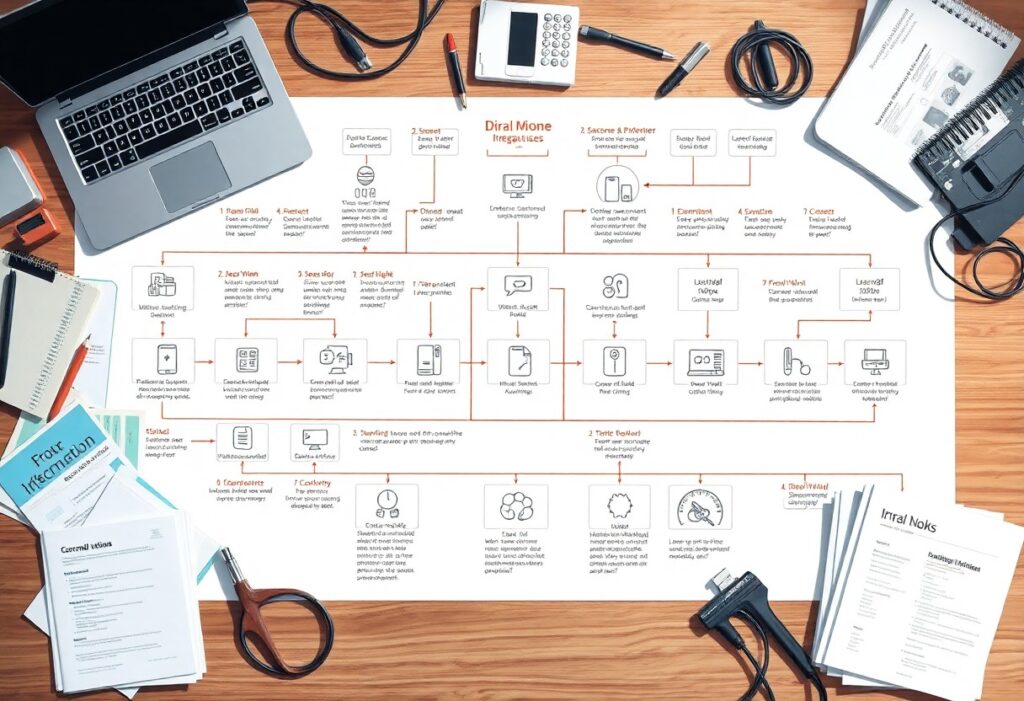
Just imagine transforming your workflows with AI-driven system integrations that enhance efficiency and productivity. By following these six imperative steps, you can streamline processes and mitigate challenges that often come with integration. You’ll discover how to leverage AI technology to ensure your systems communicate flawlessly, saving you time and reducing errors. Let’s explore how you can make smarter decisions for your integrations, leading to a more connected and agile business environment.
Key Takeaways:
- Identify specific use cases for AI integration to enhance system efficiency.
- Prioritize data quality to ensure accurate AI-driven insights and decision-making.
- Leverage existing APIs and modular systems for streamlined integration processes.
- Implement continuous learning mechanisms to adapt AI models over time.
- Engage stakeholders early to align AI initiatives with business objectives and address potential challenges.
Understanding System Integrations
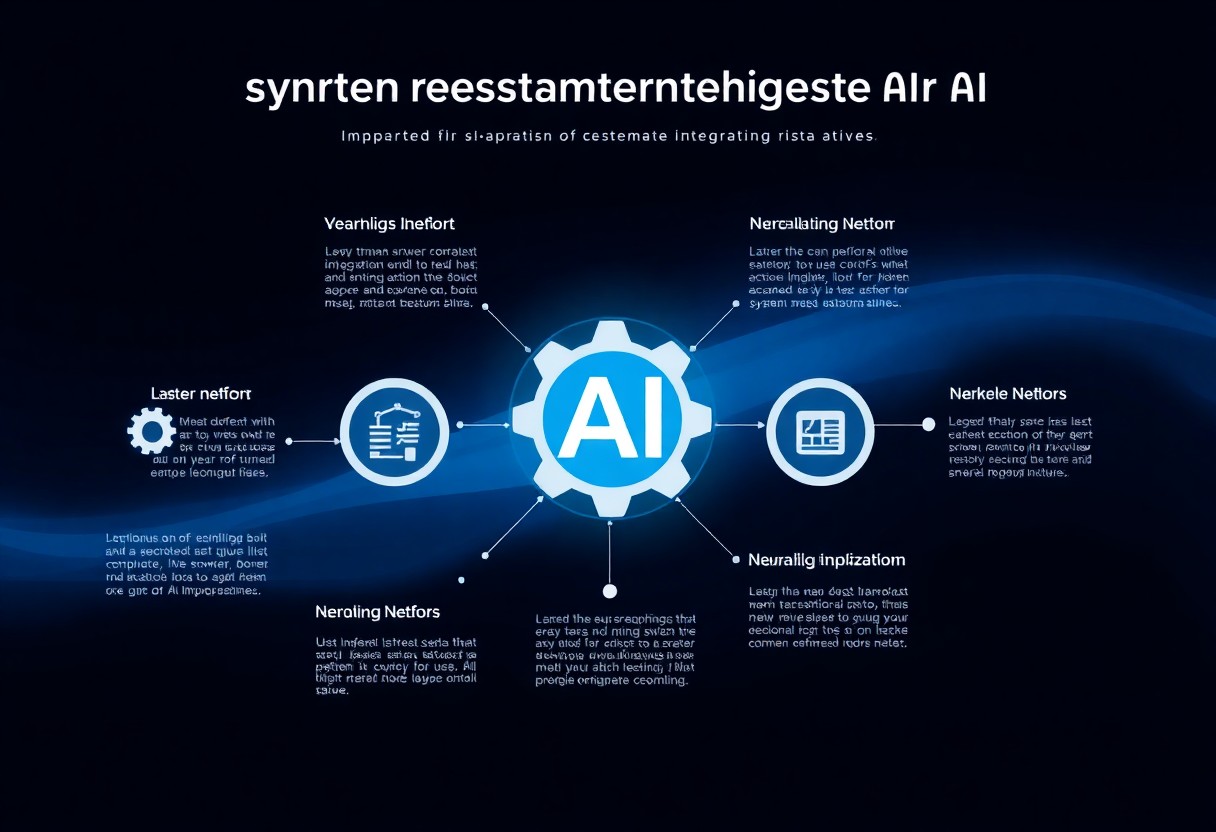
To effectively leverage AI in your operations, grasping the concept of system integrations is fundamental. It refers to the process of linking different computing systems and software applications within your organization to streamline data exchange, enhance functionality, and create a cohesive operational environment. With proper integration, disparate systems can work harmoniously, allowing you to maximize the potential of your technology stack.
What is System Integration?
System integration involves the unification of various IT systems, applications, and processes to enable seamless communication and data sharing. By creating a more interconnected ecosystem, you ensure that different solutions-such as CRM, ERP, and HR software-can collaborate effectively. This connectivity not only reduces redundancy but also improves operational efficiency across your organization.
The Importance of Efficient Integrations
Efficient integrations are vital for optimizing your business processes and improving productivity. They minimize errors, enhance data accuracy, and enable faster decision-making. For instance, a well-integrated system can help you automate workflows, cutting down processing times by up to 50%. This efficiency translates into better customer experiences and can significantly impact your bottom line.
Your ability to streamline operations hinges on the effectiveness of your integrations. Modern businesses face the challenge of managing increasingly complex systems, where wasted time and resources can stack up quickly. For example, companies implementing seamless integrations report a 40% decrease in operational costs while improving customer satisfaction ratings by 30%. By prioritizing efficient integrations, you not only foster innovation but also position your organization to swiftly adapt to changing market demands.
The Role of AI in System Integration
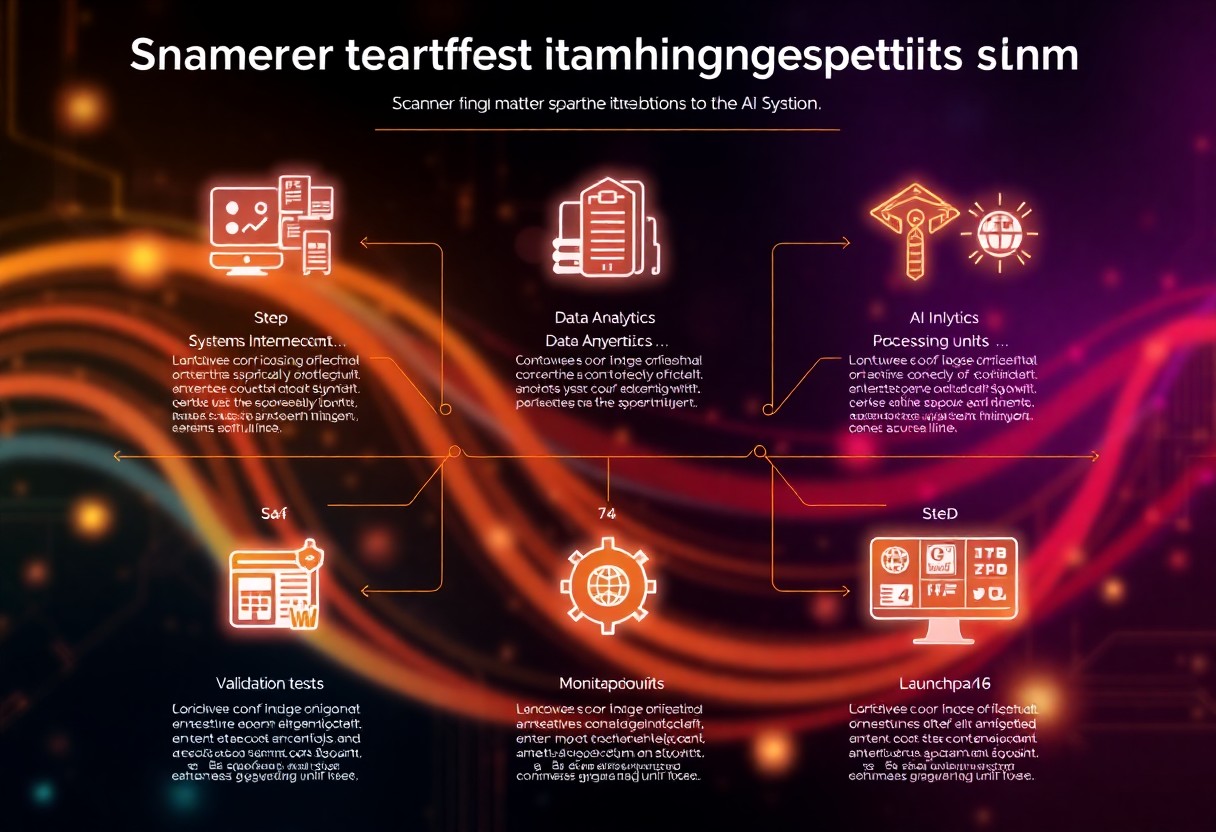
AI plays a pivotal role in transforming how systems integrate by enabling seamless data exchange and enhancing decision-making processes. By leveraging AI algorithms, you can automate repetitive tasks, identify patterns, and predict outcomes, leading to more efficient workflows and reduced operational costs. Advanced neural networks and machine learning techniques enable systems to learn from historical data, making them more intuitive and responsive to dynamic business environments.
How AI Transforms Integration Processes
Through automation and predictive analytics, AI revolutionizes integration processes, allowing you to minimize manual inputs and errors. Implementing AI streamlines data mapping and transformation, ensuring faster onboarding of new systems. With AI-driven insights, your integrations become more adaptable, enabling quicker responses to market changes and customer needs.
Benefits of Using AI
Utilizing AI in system integrations yields numerous advantages, including enhanced efficiency, improved accuracy, and significant cost savings. With the ability to analyze and process massive datasets quickly, AI empowers your systems to make real-time decisions, optimizing performance and productivity.
By automating routine tasks, you free up valuable resources that can focus on higher-level strategy and innovation. Organizations often report reduced integration times by up to 30%, allowing quicker time-to-market for products and services. The predictive capabilities of AI also lead to better resource allocation, enabling proactive problem-solving rather than reactive resolutions. Thus, embracing AI not only propels your integration efforts but also catalyzes broader organizational growth.
Step 1: Assess Your Current Systems
Begin by evaluating your existing systems to understand their strengths and weaknesses. Consider utilizing resources like The AI integration roadmap: 6 steps + real-world examples for insights. This assessment will uncover gaps and areas needing improvement, laying the groundwork for effective AI integration.
Analyzing Existing Workflows
Take a deep examine your current workflows to identify inefficiencies and redundancies. Map out each process step, and pinpoint where delays or errors frequently occur. This analysis helps you understand how your team collaborates, where bottlenecks exist, and which tasks consume excessive time.
Identifying Integration Opportunities
Once you have a clear grasp of your workflows, identify where AI can streamline operations. Look for repetitive tasks that could benefit from automation, data analysis processes crying for sophisticated algorithms, and communication channels that can be enhanced with intelligent tools. For instance, if manual data entry is a major drag, automating this task could free up your team’s time for higher-value activities.
To effectively identify integration opportunities, engage your team in discussions about their daily challenges. Gather insights directly from those interacting with the systems; they often provide valuable perspectives on persistent issues and potential improvements. Analyzing support tickets can highlight recurrent problems that AI solutions might address effectively. With a comprehensive understanding of these pain points, you can better strategize AI implementations that genuinely enhance productivity and efficiency in your organization.
Step 2: Define Clear Objectives
Establishing clear objectives is vital for the success of your AI integration. These objectives guide your project, helping to ensure you stay focused and on track. Setting these goals enables you to determine what success looks like and allows for easier evaluation of progress. To dive deeper into effective strategies, consider exploring 10 Essential Steps to Seamlessly Integrate AI into Your ….
Setting Measurable Goals
To make your objectives actionable, ensure they are measurable. Use specific metrics, such as performance indicators or timeframes, to track your progress. For instance, if your goal is to enhance customer satisfaction, define it with a specific target percentage increase within a defined period.
Aligning Objectives with Business Needs
Your objectives should directly reflect your business needs. Assess how each goal contributes to your overarching business strategy. By aligning these targets, you ensure that the integration process not only addresses AI capabilities but also supports your long-term vision and operational efficiency.
Assessing your business needs involves engaging stakeholders across various departments. Gather input from teams like sales, marketing, and customer service to identify pain points that AI can resolve. For example, if your customer support team is overwhelmed, setting an objective to automate 50% of inquiries could drastically improve response times and enhance service quality. This holistic approach ensures that your AI initiatives deliver real value while supporting your strategic objectives.
Step 3: Choose the Right AI Tools
Selecting the appropriate AI tools is pivotal for achieving effective integration. You should assess various solutions that align with your business goals, scalability needs, and existing systems. Whether you opt for machine learning algorithms, natural language processing, or robotic process automation, ensure that your choice enhances productivity and meets specific use cases within your organization.
Evaluating AI Solutions
When evaluating AI solutions, prioritize tools that provide tangible benefits. Analyze their performance metrics, cost-effectiveness, and user feedback. Consider how well each solution integrates with your current infrastructure and whether it can adapt to your evolving needs. A well-rounded assessment will guide you in selecting tools that offer the best ROI.
Integrating Tools Seamlessly
Seamless integration is vital for maximizing the value of AI tools. You should map out your existing workflows and identify where these tools can fit in without causing disruptions. Using middleware or APIs can significantly ease the integration process, allowing disparate systems to communicate effectively. Testing the integration in a controlled environment helps to identify potential issues before full deployment.
Implementing seamless integration involves understanding your organization’s unique landscape. Begin by documenting your current processes; then, involve stakeholders to ensure alignment. Utilize APIs for connectivity and select tools that provide comprehensive documentation and support. As systems begin to communicate, your team may find increased efficiency as tasks that once required manual intervention can now flow smoothly, saving time and reducing errors. Focus on a phased rollout to mitigate risks and gather feedback for continuous improvement.
Step 4: Implement Gradually
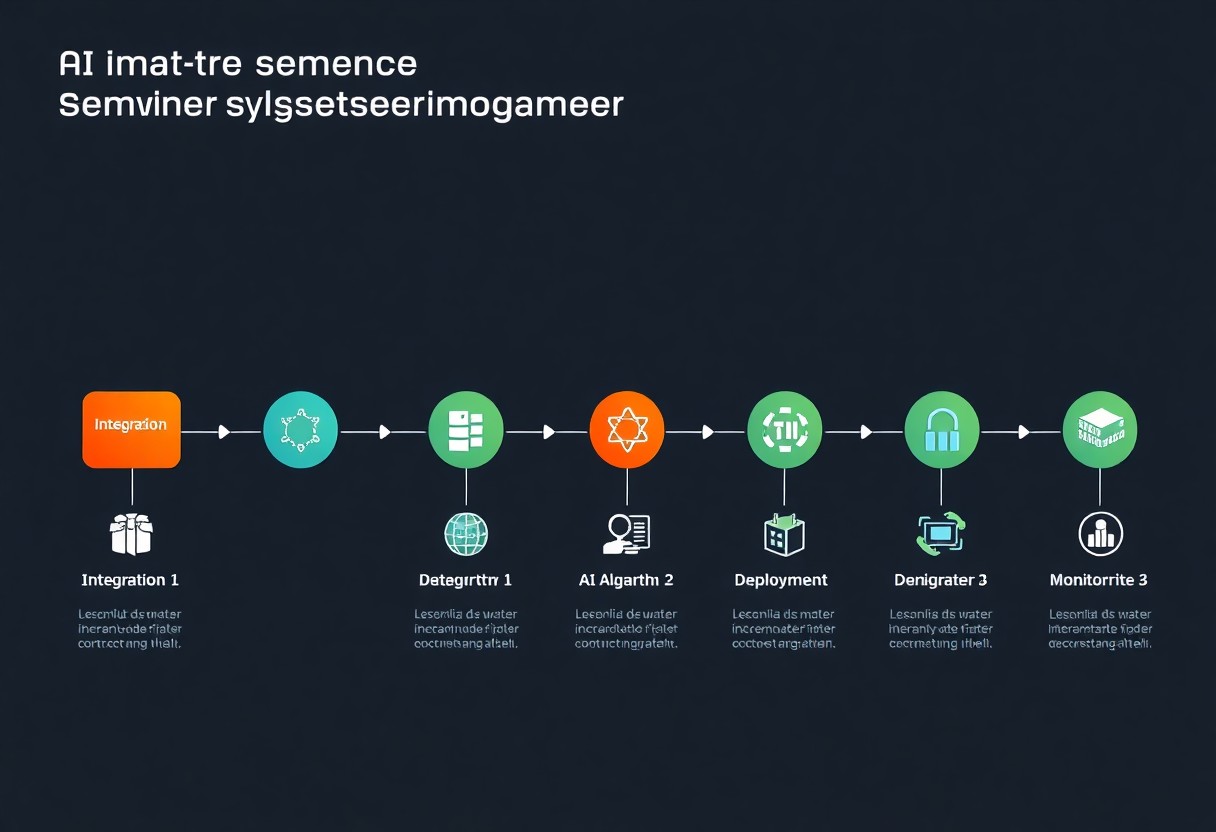
To ensure seamless system integration, adopting a gradual implementation strategy is effective. By not overwhelming your team with a full-scale rollout, you can identify challenges early and make necessary adjustments. This method allows for a smoother transition, minimizing disruptions while maximizing learning opportunities.
Phased Approach to Integration
Employing a phased approach to integration lets you tackle complicated implementations in manageable segments. Start with less critical systems, conducting experiments and analyses before expanding to more complex or vital components. This strategy not only reduces risk but also gives you valuable insights for future phases.
Testing and Feedback
Integrating new systems isn’t complete without rigorous testing and gathering user feedback. Focus on real-world scenarios to see how your integrations perform under various conditions. Engage your team in the feedback process, as their insights can illuminate hidden issues and foster a collaborative atmosphere for continuous improvement.
Testing and feedback are integral to refining your integration process. By conducting rigorous tests, you gauge system performance, usability, and reliability. Utilize methods such as A/B testing and user surveys to capture qualitative and quantitative data. Encouraging team involvement not only helps uncover potential pitfalls but also empowers them with ownership of the new systems, leading to better acceptance and adjustment. Set regular intervals for gathering feedback to continuously iterate and enhance the system’s functionality in alignment with your team’s needs.
Conclusion
Summing up, by following these six important steps for smarter system integrations using AI, you can enhance your processes and drive efficiency in your projects. Each step guides you toward making informed decisions that align with your goals. Embracing AI in your integrations not only simplifies complexity but also empowers you to leverage data more effectively. By taking actionable steps today, you’re setting the stage for a more intelligent system that can adapt and evolve with your needs.
FAQ
Q: What are the imperative steps for smarter system integrations using AI?
A: The imperative steps include assessing your current systems, defining integration objectives, choosing the right AI tools, developing a robust integration strategy, testing and validating integrations, and continuously monitoring and optimizing the system performance.
Q: How does assessing current systems impact AI integration?
A: Assessing current systems helps identify gaps, limitations, and opportunities for improvement, which informs the selection of appropriate AI solutions and integration strategies tailored to specific needs.
Q: Why is defining integration objectives important?
A: Defining clear integration objectives clarifies the desired outcomes and guides the implementation process, ensuring that the integration aligns with business goals and provides measurable benefits.
Q: What factors should be considered when selecting AI tools for integration?
A: Factors to consider include compatibility with existing systems, scalability, ease of use, support and documentation availability, and the specific functionalities required to meet integration objectives.
Q: How can continuous monitoring optimize system performance?
A: Continuous monitoring allows for the identification of issues in real-time, enables proactive adjustments, and facilitates the measurement of performance against defined metrics, ensuring that the integration remains effective and efficient over time.