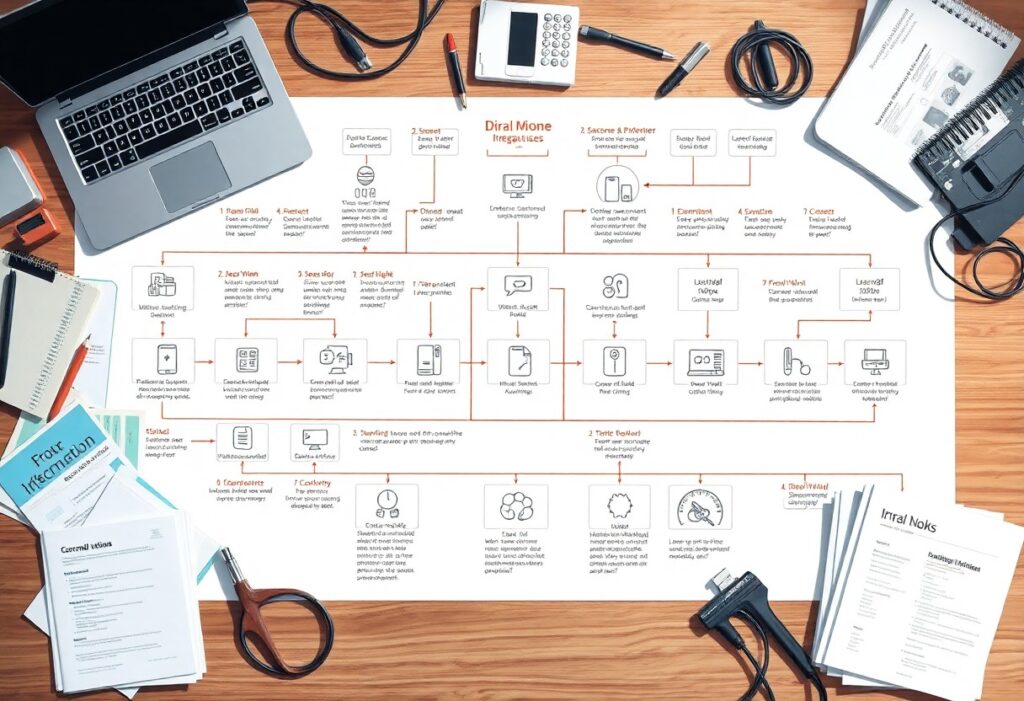
Web design excellence and effective system integrations can transform your business. By following these 8 actionable steps, you’ll streamline processes and enhance user experiences, leading to increased customer satisfaction. It’s imperative to focus on the positive impacts of a unified approach, from improved efficiency to greater ROI. Discover more about How to Build a Unified Data Strategy for Maximum ROI to elevate your strategies further. Take the leap towards cohesive integrations today!
Key Takeaways:
- Emphasize collaboration between teams for seamless integration.
- Utilize a user-centered design approach for optimal user experience.
- Implement responsive design to ensure accessibility across devices.
- Adopt agile methodologies to enhance flexibility in development processes.
- Regularly evaluate and iterate on integrations based on user feedback and performance metrics.
Understanding Unified System Integrations
Unified system integrations streamline multiple platforms into a cohesive framework, allowing your organization to operate with greater efficiency. By connecting disparate systems, you can enhance communication and data sharing across departments, resulting in improved collaboration and decision-making. This integration not only simplifies workflows but also enriches your user experience, resulting in more productive outcomes.
What is Unified System Integration?
Unified system integration refers to the process of consolidating various software applications and databases into a single, seamless environment. By bridging these systems, you eliminate silos, reduce duplication, and ensure that every part of your organization works with the same real-time data. This approach enhances operational efficiency and optimizes the overall performance of your business processes.
Benefits of a Unified Approach
A unified approach to system integration delivers numerous advantages, including increased operational efficiency, enhanced data visibility, and improved user experience. With integrated systems, you can access information quickly, minimizing delays in decision-making and reducing the risk of errors caused by outdated or siloed data. These improvements can lead to quicker response times, better service delivery, and ultimately, a stronger competitive edge.
Consider the impact of a unified system on project timelines-organizations that embraced integration saw a 30% reduction in time spent on administrative tasks. Furthermore, with centralized data, your team can provide enhanced customer support by quickly retrieving information, leading to higher customer satisfaction rates. This integration facilitates smoother operations and empowers your workforce to focus on strategic initiatives rather than resolving data inconsistencies or communication breakdowns.
The Importance of Web Design Excellence
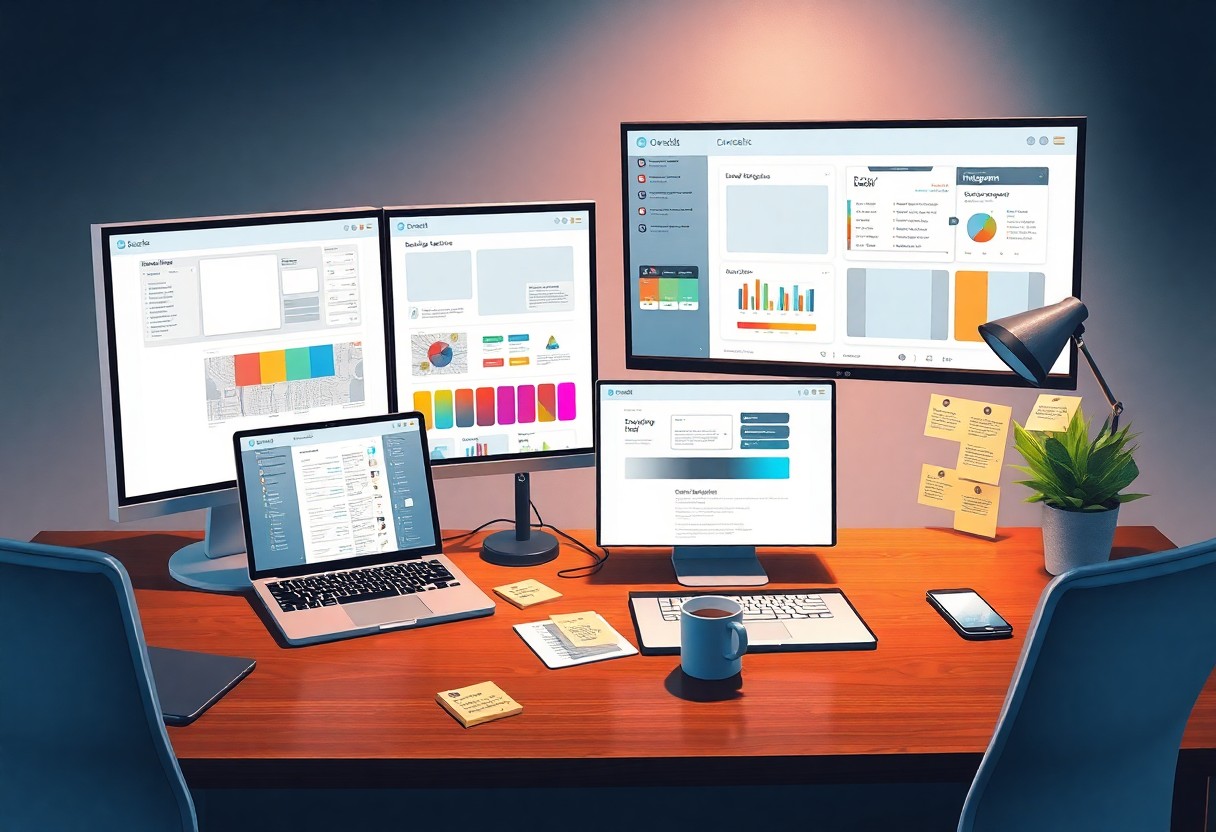
Web design excellence is not just about aesthetics; it’s a fundamental aspect of your online presence that can significantly influence your brand’s effectiveness and credibility. A well-designed website builds trust with visitors, enhances user engagement, and ultimately drives conversions. An impressive design can communicate your values and mission clearly, setting you apart in a competitive digital landscape.
Key Principles of Effective Web Design
To achieve effective web design, focus on simplicity, responsiveness, and usability. Your website should have a clean layout that facilitates easy navigation, allowing users to find what they need without confusion. Prioritize mobile optimization to ensure a seamless experience across devices. Additionally, leveraging whitespace can enhance content readability and overall user experience.
How Web Design Impacts User Experience
Your web design plays a pivotal role in shaping user experience. A site that is visually appealing and easy to navigate encourages users to stay longer and interact more with your content. Statistics show that 38% of users will stop engaging with a website if the layout is unattractive. Investing in design not only captures attention but also fosters a sense of trust and professionalism.
When you prioritize web design, you’re directly addressing user needs. Features like fast loading times, intuitive menus, and clear calls to action can significantly enhance user interaction. For instance, a study by Google found that 53% of mobile users abandon sites that take longer than three seconds to load. By streamlining your web design, you create a more engaging and efficient experience, encouraging users to explore more of your offerings and increasing the likelihood of conversions.
Actionable Step 1: Assess Your Current Systems
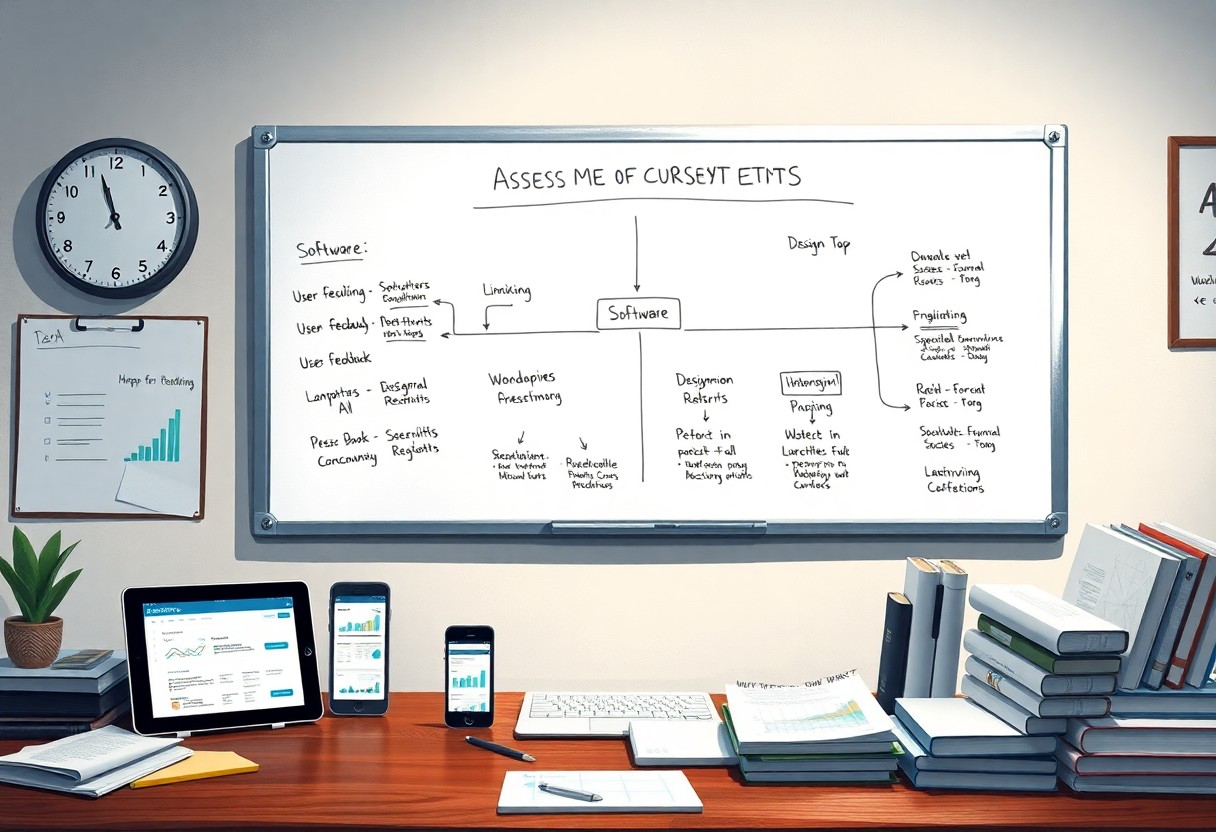
Understanding the strengths and weaknesses of your current systems allows you to craft a more unified web strategy. Begin by mapping out existing integrations and their respective performance levels. This snapshot will inform your next steps toward improvement. For insights on enhancing your IT outcomes through refined processes, check out Unified Support and Services Improve IT Outcomes.
Evaluating Existing Integrations
Take inventory of your current integrations to discern which are functioning optimally and which are causing bottlenecks. Analyze data flow, user experiences, and load speeds. Understanding these elements can uncover areas for tech enhancements, enabling smoother operations and improved user satisfaction.
Identifying Gaps and Opportunities
Look for disconnects within your systems where data may be siloed or processes are redundant. These gaps present valuable opportunities for streamlining workflows and enhancing the user experience. By prioritizing areas needing attention, you can elevate overall efficiency and integration.
Identifying gaps is about more than just fixing issues; it’s about uncovering potential for growth and innovation within your current framework. For instance, if your billing system is not synced with customer relationship management, you could be missing out on timely insights that drive cross-selling opportunities. By addressing these discrepancies, you pave the way for a more cohesive experience for both your team and your customers.
Actionable Step 2: Define Your Goals
Establishing clear, well-defined goals is vital for driving successful integrations and achieving web design excellence. Focus on what you want to accomplish-whether it’s enhancing user experience or streamlining processes. For a comprehensive guideline, check out Mastering Unified Namespace (UNS): A Guide to Data-… to deepen your understanding of goal-setting in system integrations.
Setting Clear Objectives
Objectives should be specific, measurable, attainable, relevant, and time-bound (SMART). Start by identifying key performance indicators that reflect your ambitions. For instance, if your aim is to increase website traffic, set a target percentage growth within a specific timeframe. This way, you maintain focus and can track progress effectively.
Aligning Systems with Business Objectives
Your systems must resonate with your overarching business goals. Misalignment can lead to wasted resources and unclear direction. To align effectively, evaluate how each component of your web design and integrations supports your goals, such as improving customer satisfaction or increasing sales. Engage team members across departments to identify shared objectives, ensuring everyone works toward collective success.
Consider a case where a company aligned its customer relationship management (CRM) system with its sales goals, resulting in a 30% increase in leads and a 20% boost in conversion rates. By explicitly defining how systems support business objectives, you catalyze integration efforts that yield tangible returns on investment. Utilize feedback loops to adapt and refine your approach over time, maximizing the effectiveness of your integrated systems.
Actionable Step 3: Choose the Right Tools and Platforms
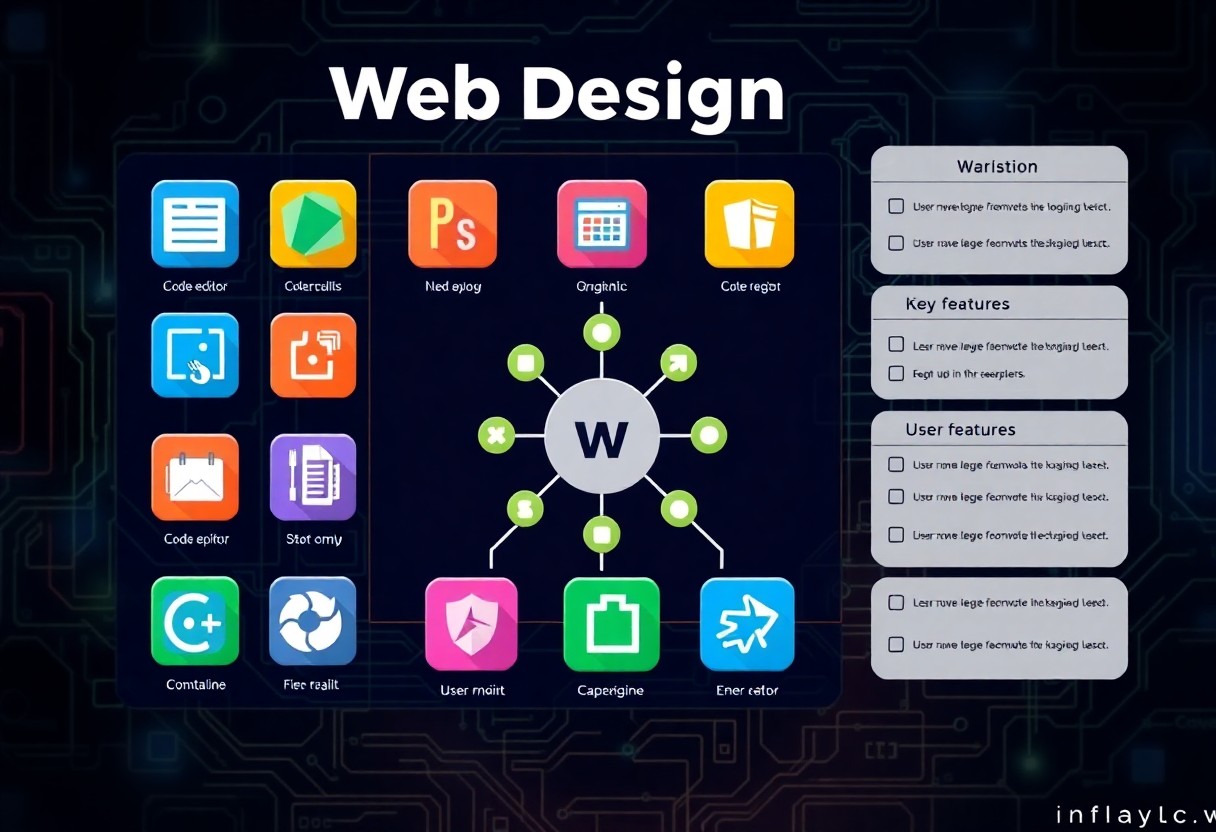
Choosing the right tools and platforms is a strategic decision that impacts your integration and design efficiency. With countless options available, your selections should align with the needs of your business and the goals you’ve set. Look for solutions that not only simplify processes but also enhance collaboration across teams. Prioritize tools that offer flexibility, scalability, and robust support to ensure they adapt to your evolving landscape.
Essential Features to Look For
When evaluating tools, seek crucial features like user-friendliness, integration capabilities, and customizable functionalities. It’s also important for platforms to support real-time collaboration, allowing your teams to work synchronously, which can significantly enhance productivity. Additionally, consider security measures and compliance features to protect your sensitive data while executing integrations.
Recommendations for Popular Tools
For seamless integrations and effective web design, platforms such as Zapier, Integromat, and WordPress are popular choices. Zapier excels in automating workflows between various applications, while Integromat offers extensive customization for intricate automation needs. Meanwhile, WordPress stands out for its versatility in web design and ease of use, boasting a robust ecosystem of plugins for additional functionalities.
Platforms like Contentful or Shopify also deserve mention, particularly for content management and e-commerce solutions. Contentful’s headless CMS enables you to manage content effectively while integrating seamlessly with other tools. Shopify, on the other hand, provides a comprehensive commerce solution with numerous integrations to boost your online store’s functionality. Analyze your specific needs and user feedback to select tools that will ensure a comprehensive and tailored approach to your integrations and design excellence.
Actionable Step 4: Collaborate with Your Team
Working collaboratively with your team transforms integration efforts and enhances web design quality. When team members share insights and expertise, you create a richer environment for innovation. Regular interactions help identify potential roadblocks early in the process, therefore streamlining decision-making and boosting productivity. Don’t underestimate the power of diverse perspectives, as this can lead to solutions that align with your objectives.
Importance of Cross-Departmental Collaboration
Cross-departmental collaboration bridges gaps between distinct areas of expertise, fostering innovation and streamlining workflows. By involving members from various departments, such as marketing, development, and customer support, you ensure that all perspectives are considered. This comprehensive approach not only enhances the user experience but also aligns projects with broader business objectives, resulting in superior outcomes.
Best Practices for Effective Communication
Effective communication is imperative for successful collaboration. Implement tools like Slack or Microsoft Teams to facilitate real-time discussions. Keep meetings focused and agenda-driven, ensuring every participant has a clear role. Consider utilizing project management software to track progress and updates, promoting transparency. Regular check-ins help to surface issues quickly, allowing for timely resolutions.
Final Words
Summing up, by following these 8 actionable steps, you can achieve unified system integrations and elevate your web design to new heights. Embrace collaboration, focus on user experience, and leverage the right tools to enhance your projects. With each step, you are not just improving your systems but also creating a more seamless journey for your users. Keep refining your approach, and you’ll see the positive impact on your overall success.
FAQ
Q: What are the key benefits of unified system integrations?
A: Unified system integrations enhance operational efficiency, reduce redundancy, streamline workflows, and improve data accuracy. By connecting different systems, organizations can create a seamless flow of information, allowing for better decision-making and increased productivity.
Q: How can businesses effectively assess their current web design?
A: Businesses can evaluate their current web design by analyzing user engagement metrics, gathering feedback from users, and comparing their site against industry benchmarks. Additionally, conducting usability tests can provide insights into areas needing improvement.
Q: What technologies are recommended for achieving effective system integration?
A: Technologies such as APIs, middleware solutions, and cloud-based integration platforms are recommended for effective system integration. These tools facilitate communication between different software applications, allowing for smoother data exchanges and process automation.
Q: How can user experience be improved in web design?
A: User experience can be improved by simplifying navigation, enhancing load times, ensuring mobile responsiveness, and incorporating user feedback. Providing clear calls to action and maintaining visual consistency throughout the site also contribute to a positive experience.
Q: What role do regular updates play in maintaining web design excellence?
A: Regular updates are vital for maintaining web design excellence as they ensure the website stays relevant, secure, and aligned with user expectations. This includes updating content, incorporating new technologies, and adapting to changing design trends.