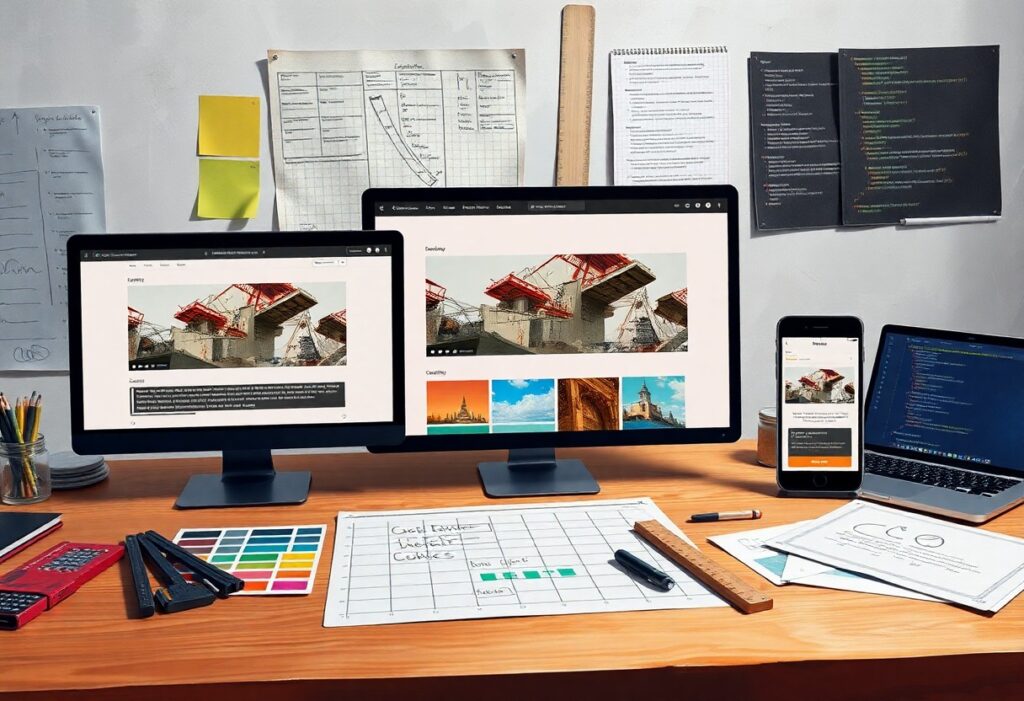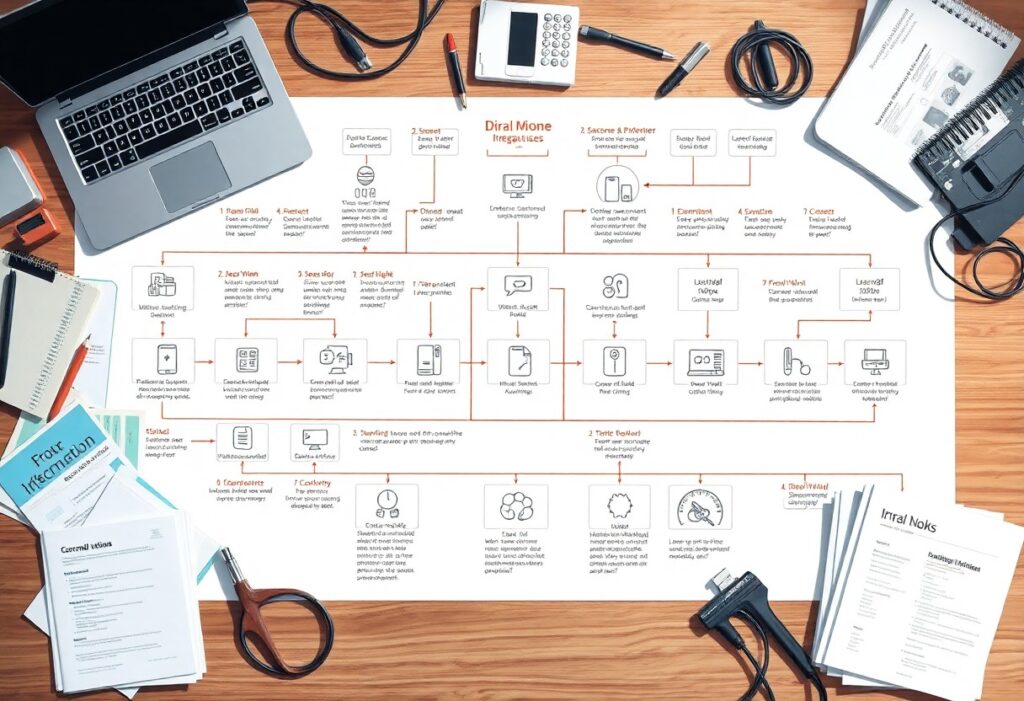
It’s exciting to consider how AI-powered SEO and smarter system integrations are shaping the future of web design. As you explore these innovative technologies, you’ll discover how they can enhance your website’s visibility and usability, making your online presence more effective. Integrating AI tools into your design process not only optimizes your content for search engines but also streamlines user experience, ultimately attracting more visitors and driving engagement. Embracing these trends will keep you ahead in the digital landscape, ensuring your design remains relevant and impactful.
Key Takeaways:
- AI-driven tools enhance user experience through personalized content and design suggestions.
- SEO integration with web design allows for improved visibility and search ranking strategies.
- Smart system integrations streamline workflows, making web design more efficient.
- Data analytics powered by AI provides insights for continuous design improvement and adaptation.
- Future web design will likely prioritize accessibility and inclusivity, driven by AI advancements.
The Intersection of Web Design and AI
In today’s digital landscape, the blend of web design and artificial intelligence creates unprecedented opportunities for innovation. AI tools are not just augmenting design processes; they are fundamentally transforming how you create intuitive, user-centric websites that adapt in real time to user engagement patterns. This fusion enables a seamless flow of data, enhancing both aesthetic appeal and functional performance, ultimately leading to more effective web experiences.
Understanding AI-Powered SEO
AI-powered SEO leverages sophisticated algorithms to analyze search trends, user behavior, and content effectiveness, giving you insights to optimize your site efficiently. By automating keyword research and content analysis, these tools help streamline your SEO strategies, ensuring you stay ahead of the curve and improve your site’s visibility. Reports indicate a potential increase in organic traffic by over 50% when using AI-driven SEO techniques compared to traditional methods.
Enhancing User Experience Through AI
Integrating AI into web design significantly enhances user experience, offering personalized interactions tailored to individual preferences. By analyzing user behavior in real time, AI can recommend content, adjust layouts, and improve navigation, ensuring a more engaging experience that keeps visitors on your site longer. Personalized interfaces and chatbots powered by AI not only predict user needs but also reduce bounce rates dramatically, fostering loyalty and satisfaction.
Implementing AI to enhance user experience can transform how visitors interact with your website. For example, Netflix utilizes AI algorithms to analyze viewing patterns, allowing it to recommend shows and movies based on individual preferences. This personalization has contributed to high user retention rates. Additionally, chatbots can answer questions 24/7, providing instant support and improving overall satisfaction. Incorporating these AI-driven features not only elevates user engagement but can also lead to higher conversion rates, making your website more efficient and effective in meeting your goals.

Smarter System Integrations
In web design, smarter system integrations empower your projects to operate seamlessly, enhancing functionality and user experience. By leveraging advanced APIs and automation tools, you can effortlessly connect different platforms, such as CMS, e-commerce, and analytics tools. This not only saves time but also enables real-time data sharing that drives informed decision-making. Explore more on How AI is Revolutionizing Web Design in 2025.
Benefits of Integration for Web Design
Integrating various systems in your web design can lead to increased efficiency and streamlined workflows. When your tools communicate effectively, you reduce the risk of errors and ensure that your design updates reflect across all platforms in real-time. This synergy helps you focus on creativity rather than mundane tasks, ultimately saving you time and resources while improving overall performance.
Popular Tools and Technologies
Numerous tools and technologies are leading the way in smarter system integrations. Platforms like Zapier, Integromat, and Webflow allow you to automate processes across different software, enhancing your design capabilities. Meanwhile, using frameworks like React and Angular with APIs helps you build dynamic websites that adapt to user interactions and data changes efficiently.
Trends Shaping the Future of Web Design
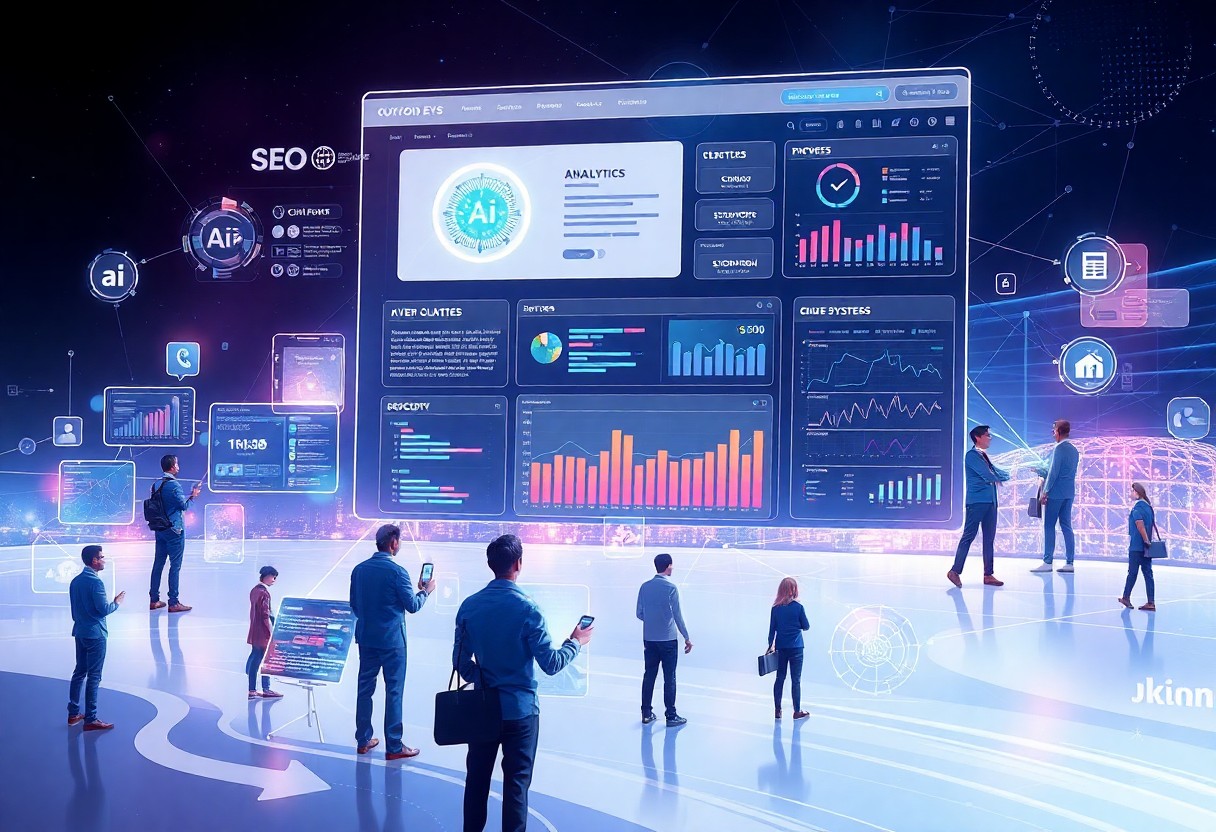
The landscape of web design is constantly evolving, with new trends emerging that leverage technology and innovation. One notable shift is the integration of AI-powered solutions, exemplified in The Future of AI in Web Design for Businesses. This trend not only optimizes the design process but also enhances user engagement by providing tailored experiences that resonate with individual preferences.
AI in Design Automation
AI in design automation is streamlining workflows and reducing the time needed to create visually appealing websites. Tools utilize machine learning to generate design layouts, suggest color palettes, and recommend fonts, enabling you to focus on the creative aspects rather than tedious tasks.
Responsive and Adaptive Designs
Responsive and adaptive designs are important for providing seamless experiences across devices. By utilizing fluid grids and flexible images, you ensure that your website functions optimally on smartphones, tablets, and desktops, enhancing usability and engagement.
Responsive design adjusts layouts based on screen size, while adaptive design employs predefined layouts tailored for specific devices. This distinction allows you to cater to diverse user needs effectively. With statistics showing that over 50% of web traffic originates from mobile devices, prioritizing these design approaches is vital. By investing in responsive and adaptive strategies, you can significantly improve user satisfaction and retention, ensuring your web presence remains competitive in a rapidly changing digital environment.
Best Practices for Implementing AI in Web Design
You should embrace a strategic approach when incorporating AI into your web design processes. Prioritize seamless integration with existing systems and ensure that AI tools align with your overall objectives. Using data-driven insights from user behavior can significantly enhance design effectiveness, leading to improved engagement and conversion rates. Consistently monitor performance and adapt your strategies, keeping user experience at the forefront while leveraging AI capabilities.
Case Studies and Success Stories
Real-life examples illustrate the potential of AI in web design, showcasing tangible results. Companies implementing AI solutions have reported substantial improvements in user engagement and conversion rates.
- Company A: Achieved a 40% increase in conversion rates after employing AI-driven personalization techniques on their landing pages.
- Company B: Noted a 30% drop in bounce rates by optimizing UX through AI analytics, leading to better user retention.
- Company C: Experienced a 25% growth in organic traffic following the integration of AI-powered SEO tools to enhance content relevancy.
- Company D: Boosted customer satisfaction scores by 50% after utilizing AI chatbots for immediate customer support on their site.
Common Pitfalls to Avoid
Avoiding common pitfalls can make the difference between success and failure in your AI implementation. Neglecting thorough testing or relying solely on AI without human insight can lead to poor decisions and user experience. Establish clear goals and metrics for evaluation, ensuring you’re not overwhelmed by data but instead using it wisely to refine your design process.

The Role of Content in AI-Powered SEO
Integrating AI into SEO strategies fundamentally changes how content is created and optimized. You need to recognize that search engines are increasingly prioritizing quality and relevance, powered by machine learning algorithms. This means your content must not only be original but also tailored to user intent, ensuring it answers queries effectively and engages visitors. By leveraging AI tools, you can analyze trends and adapt your content strategy to maximize visibility and reach.
Content Strategy Essentials
Your content strategy should revolve around understanding your audience’s needs and preferences. Start by conducting thorough keyword research and utilizing AI-driven analytics to identify high-performing topics. With insights from these tools, you can create compelling, relevant, and shareable content that resonates with your target demographic, ultimately boosting your SEO performance.
Balancing AI and Human Touch
Striking the right balance between AI capabilities and human creativity is vital for effective content development. While AI can generate data-driven insights and optimize for search engines, your unique voice and emotional storytelling are irreplaceable. It’s the combination of these elements that creates authentic connections with your audience, driving engagement and loyalty.
To maintain this balance, consider using AI to assist in the research phase, identifying trending topics and necessary keywords, while relying on your intuition and creativity for the actual writing process. For instance, an AI tool might suggest popular themes, but your personal anecdotes and perspectives will differentiate your content in a crowded market. This synergy between technology and human insight leads to content that not only ranks well but truly connects with readers, enhancing your brand’s authenticity and trustworthiness.
Future Predictions
The integration of AI in web design is poised to redefine the industry landscape. As AI algorithms continue to evolve, The Future Role of AI in Web Development will involve deeper data analysis and intuitive user experiences. Expect to see more personalized, adaptive designs that respond dynamically to user interactions, enhancing engagement and satisfaction.
Emerging Technologies
Harnessing emerging technologies like machine learning and predictive analytics will allow designers to create sites tailored to user behavior. This evolution means your website will not only react to user preferences but anticipate them, making for a more seamless online journey that retains visitors and boosts conversions.
The Long-Term Impact on Web Design
AI’s long-term impact on web design will fundamentally shift how you approach user experience, creativity, and functionality. By automating routine tasks and providing intelligent insights, AI will free designers to focus on innovative solutions, while also enhancing maintenance through self-optimizing systems.
As AI technologies develop, expect them to integrate into every facet of web design, from automated coding to real-time user experience adjustments. This shift will encourage the creation of highly customized environments, leading to a more engaging digital experience. The digital landscape will increasingly mirror user needs and trends as AI observes, learns, and adapts, significantly influencing your design decisions and strategies for years to come.
To wrap up
From above, it’s clear that you stand at the forefront of a transformative era in web design. By embracing AI-powered SEO and smarter system integrations, you can enhance user experiences and streamline your development processes. This evolution not only allows you to create more engaging and efficient websites but also ensures that your designs are future-ready. As you harness these technologies, your online presence can thrive, catering effectively to changing user needs and preferences.
FAQ
Q: How does AI impact web design in relation to SEO?
A: AI enhances web design by optimizing content for search engines, analyzing user behavior, and personalizing experiences. AI tools can identify trends, suggest keywords, and automate on-page SEO processes, leading to improved rankings and visibility.
Q: What role do smarter system integrations play in web design?
A: Smarter system integrations streamline workflows and enhance functionality. By connecting tools and platforms, designers can ensure seamless data sharing, improve user experience, and facilitate real-time updates, resulting in more agile and efficient web solutions.
Q: Are AI-driven SEO techniques sustainable for the future of web design?
A: Yes, AI-driven SEO techniques are sustainable as they adapt to changing algorithms and user behaviors. Continuous learning capabilities allow AI tools to refine strategies over time, keeping web designs relevant and effective for search optimization.
Q: How do AI tools affect user experience in web design?
A: AI tools enhance user experience by providing personalized content, chatbots for instant support, and predictive analytics. These elements create a more engaging environment that meets the specific needs of users, fostering higher satisfaction and retention rates.
Q: What should designers focus on when integrating AI and SEO into web design?
A: Designers should prioritize user-centric approaches, balance aesthetics with functionality, and utilize analytics to drive design decisions. Emphasizing responsiveness, accessibility, and performance will ensure that websites perform well while meeting both design and SEO goals.