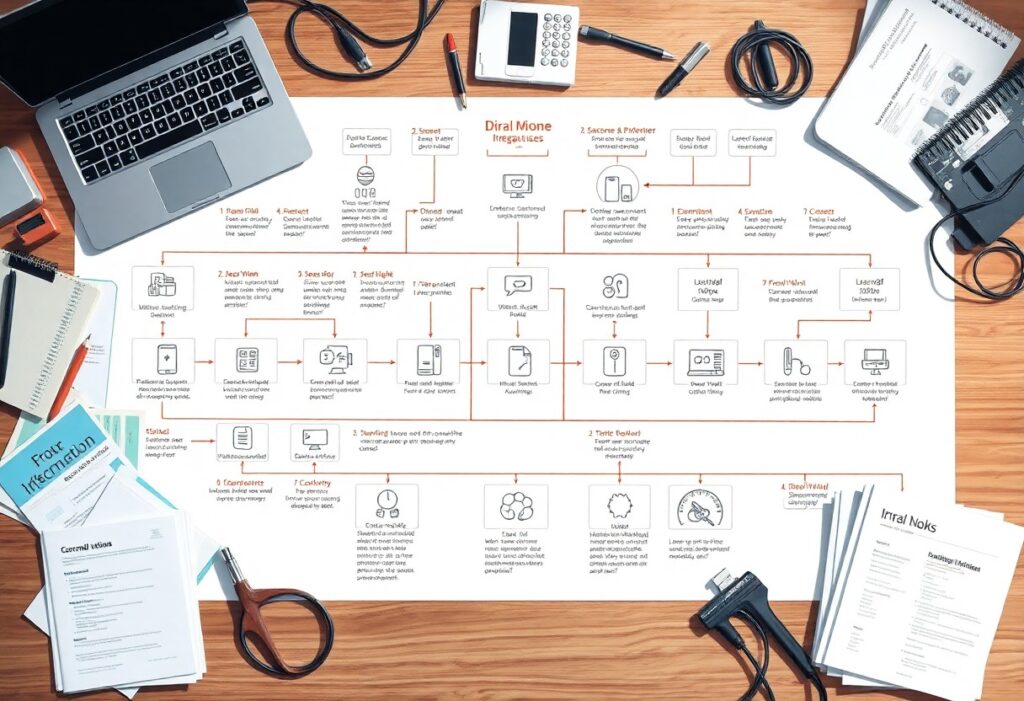
You’ll find that AI is set to dramatically change the landscape of SEO, system integrations, automation, and web design by 2025. As you integrate AI tools into your strategies, you’ll benefit from enhanced personalization and smarter analytics, making your approach more effective. However, it’s important to be aware of the potential risks and challenges that come with automation, such as over-reliance on technology and the need for continuous adaptation. Embrace these advancements to stay ahead in your field, and you’ll be equipped for success in an increasingly automated world.
Key Takeaways:
- AI will enable more personalized search experiences, adapting content to individual user preferences in real-time.
- Integration of AI with existing systems will streamline processes, enhancing efficiency and accuracy in data handling.
- Automation tools powered by AI will reduce manual interventions, accelerating workflow and improving user experiences.
- Web design will increasingly focus on AI-driven solutions, allowing for more dynamic layouts and interactive elements tailored to user behavior.
- SEO strategies will evolve, prioritizing content quality and user engagement metrics driven by AI analytics and insights.

The Future of SEO with AI
As AI continues to evolve, its impact on SEO will become increasingly profound, shaping how you approach keyword strategies, optimization, and user engagement. AI-driven analytics will enable you to gain deeper insights into user behavior, preferences, and trends, allowing for more tailored content delivery that resonates with your audience.
Understanding AI-Powered Search Algorithms
AI-powered search algorithms are becoming smarter by utilizing machine learning to understand user intent and context better than ever. Algorithms like Google’s BERT and RankBrain analyze not just keywords but the overall semantic meaning of queries, meaning your content needs to align closely with the actual needs of searchers.
The Role of Content Creation in an AI World
In an AI-driven landscape, content creation must evolve to meet the demands of sophisticated algorithms that prioritize relevance and quality. Your ability to produce engaging, informative, and well-structured content will directly impact your SEO performance, as AI favors materials that genuinely solve user problems.
AI is changing the content creation game by promoting formats that encourage user interaction and satisfaction. For instance, leveraging tools like GPT-3 can help you generate ideas and streamline your writing process, but the *human touch* remains vital. Authenticity and emotional connection in your content will differentiate you in a sea of machine-generated text. Incorporate multimedia elements, use storytelling techniques, and ensure your content answers users’ questions thoroughly to keep pace with AI’s evolution in content delivery.
System Integrations and Automation Evolution
As 2025 approaches, system integrations and automation powered by AI will revolutionize how businesses operate. You’ll find that AI not only automates tasks but also connects various systems, streamlining workflows and enhancing productivity. For instance, AI chatbots can seamlessly integrate with CRM systems, ensuring that customer interactions are data-driven and contextually aware. This integration will allow companies to react swiftly to changing market dynamics, optimizing processes that once consumed valuable time and resources.
Streamlining Processes with AI
AI simplifies complex workflows, enabling you to automate repetitive tasks efficiently. By employing machine learning algorithms, your systems can adapt to patterns, allowing for proactive decision-making. For example, tools like Zapier leverage AI to connect applications and automate actions, so you’re spending less time on manual entries and more on strategic planning.
Enhancing User Experience through Integrated Systems
Integrated systems powered by AI lead to a substantial enhancement in user experience. By connecting various platforms, you offer your users a seamless interaction journey, where their needs are anticipated. This predictive capability not only improves satisfaction rates but also fosters brand loyalty. AI-driven integrations ensure that users encounter personalized experiences, such as tailored content recommendations, which can lift engagement metrics significantly.
For instance, a study showed that personalized user experiences can increase conversion rates by up to 300%. By leveraging integrated systems, you can consolidate user data from different touchpoints, allowing your platforms to provide contextually relevant information. This can manifest in recommendations based on prior interactions, higher satisfaction through reduced wait times in customer support, and a more intuitive navigation experience on your website. Ultimately, by enhancing user experience through these integrations, you’re not only retaining customers but also enticing potential ones with exemplary service.
Web Design Innovations
In 2025, web design will undergo a transformation driven by AI, fostering creativity, efficiency, and user engagement. New technologies will enable designers to create visually stunning and responsive websites that adapt seamlessly to various devices and user preferences, ensuring an enriched browsing experience. Additionally, collaboration between designers and AI tools will streamline workflows, significantly reducing design time while enhancing quality.
AI-Driven Design Tools
AI-driven design tools are set to reshape the creation process. These tools will analyze user behavior and preferences, providing designers with data-driven insights to craft visually appealing and user-friendly websites. By automating repetitive tasks, such as layout adjustments or image selection, you’ll spend more time on creative aspects while ensuring efficiency.
Personalization and User-Centric Interfaces
As user expectations rise, personalization and user-centric interfaces will be at the forefront of web design. Advanced algorithms will tailor website layouts, content, and functionality to individual preferences, making your site feel uniquely crafted for each visitor. This shift toward customization will not only enhance user satisfaction but also drive higher engagement rates.
Implementing personalization will involve utilizing data analytics and AI to understand user behavior. For instance, you might leverage tools that track user interactions with your site, allowing you to dynamically adjust content based on their interests. Features like personalized recommendations or adaptive layouts can significantly enhance user experience and conversion rates. Companies that successfully implement these strategies will create intimate browsing experiences that resonate with users, fostering loyalty and encouraging repeat visits.

Ethical Considerations in AI Development
As AI continues to permeate deeper into web design and SEO strategies, ethical considerations surrounding its development become more pressing. Issues such as bias, transparency, and accountability significantly impact user trust. Businesses must navigate these challenges by integrating ethical frameworks to ensure that their AI tools enhance rather than exploit user experiences. For insights on how technology is shaping this landscape, check out AI-Driven Web Design Tools: Revolutionizing SEO in 2025.
Balancing Automation and Human Touch
While automation increases efficiency, the importance of a human touch cannot be overlooked. Your audience craves authenticity and connection, which AI alone cannot provide. Implementing AI responsibly means leveraging its capabilities while ensuring that your brand’s voice remains genuine and relatable. Aim for a synergy where automation handles repetitive tasks, leaving you free to nurture customer relationships and foster innovation.
Privacy Concerns and Data Security
Data privacy is a significant concern as AI systems collect and analyze vast amounts of information. With regulations such as GDPR in place, it’s imperative to ensure that your AI solutions comply with legal standards while safeguarding user data. Failure to address these privacy issues can lead to reputational damage and severe financial penalties.
Privacy concerns necessitate rigorous measures to protect users from unauthorized access and misuse of their data. As you integrate AI solutions, evaluate their data handling practices, implement robust encryption, and ensure transparency with your audience. Conducting regular audits and employing privacy-by-design principles will help maintain consumer trust while complying with evolving regulations. Prioritize these elements to cultivate a secure and trustworthy AI landscape in your digital strategies.
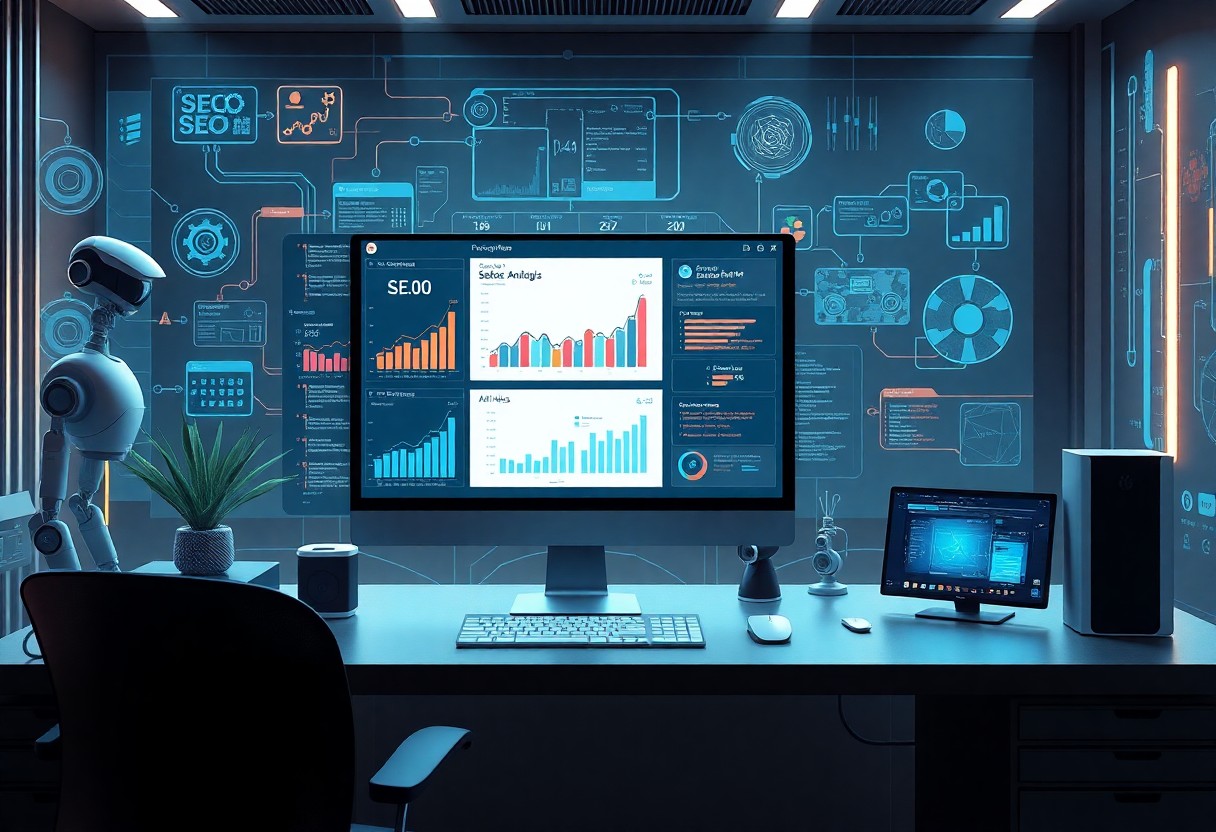
Case Studies of AI in Action
Examining the real-world impact of AI reveals transformative effects across various industries. This section highlights compelling case studies that showcase the integration of AI and its results.
- Netflix: Utilizes AI algorithms to enhance user experience, leading to a 75% increase in viewer engagement.
- Shopify: Leveraged AI-driven chatbots, resulting in a 25% boost in customer interactions and a 10% rise in sales.
- Airbnb: Implemented AI for dynamic pricing, which improved booking rates by 15% during peak seasons.
- HubSpot: Utilized AI for lead scoring, increasing sales qualified leads (SQLs) by 30%.
For a detailed exploration of this evolution, refer to How SEO Will Evolve in 2025 with Artificial Intelligence.
Success Stories in SEO
Companies employing AI for SEO have reported significant advancements. For instance, a retail brand using AI-driven keyword analysis saw a 40% increase in organic traffic over six months, illustrating how analytical insights can propel your search rankings.
Automated Solutions Transforming Businesses
Many businesses have embraced automated solutions to streamline operations and enhance productivity. For example, a logistics company implemented AI for route optimization, reducing delivery times by 20% and cutting fuel costs by 15%, directly impacting profitability.
These automated solutions eliminate repetitive tasks, allowing your team to focus on strategic initiatives. With predictive analytics and machine learning, businesses can not only save time but also make informed decisions, fine-tuning marketing efforts based on real-time data. This adaptability proves necessary in today’s fast-paced market, ensuring you stay ahead of the competition while maximizing resource efficiency.
Preparing for the Future
Adapting to the evolving digital landscape requires foresight and thoughtful planning. Embracing innovative technologies will be crucial as AI revolutionizes SEO, system integrations, automation, and web design. You must cultivate a mindset geared toward continuous learning and experimentation, positioning yourself and your business to thrive in the AI-driven economy.
Skills and Tools for the Next Generation
Your toolkit will need to expand as you harness AI capabilities. Proficiency in machine learning algorithms, enhanced data analytics, and seamless API integrations will set you apart. Familiarizing yourself with AI-powered platforms, such as chatbots for customer service or automated content generation tools, can significantly enhance your efficiency and effectiveness in digital marketing strategies.
Staying Ahead in a Rapidly Changing Landscape
Keeping pace with advancing technologies is vital for success. Engage with ongoing education and industry resources to refine your skills continuously. Follow thought leaders in AI and digital marketing, participate in webinars, and attend conferences to network and stay current on trends. Adopting an agile approach allows you to pivot strategies quickly, ensuring your business remains competitive.
Consider implementing a systematic process for ongoing learning about AI trends. Engaging with platforms like LinkedIn Learning or Coursera can provide you with cutting-edge knowledge bases. Regularly assess your tools and procedures against emerging technologies to find opportunities for improvement. Embracing a culture of innovation within your team means fostering an environment that values creative problem-solving and adaptability to leverage AI’s full potential.
Summing up
Upon reflecting on the advancements expected by 2025, it’s clear that AI will significantly reshape how you approach SEO, system integrations, automation, and web design. These changes will not only improve efficiency but also enhance user experience. Embracing these tools will empower your strategies and elevate your online presence. To get a head start, check out the Best AI Tools for Enterprise SEO Automation in 2025 for insights that could transform your approach.
FAQ
Q: How will AI impact SEO strategies by 2025?
A: By 2025, AI is expected to refine SEO strategies by enabling hyper-personalization of content, optimizing keyword relevance through advanced algorithms, and enhancing voice search capabilities. This will lead to tailored user experiences, improving engagement and retention rates.
Q: What advancements in system integrations can we expect due to AI?
A: Artificial Intelligence will streamline system integrations by automating data transfers, enabling real-time analytics, and providing seamless connections between disparate systems. This will enhance operational efficiency and reduce manual intervention in workflows.
Q: How will automation evolve in web design with the influence of AI?
A: Automation in web design will become more sophisticated, allowing for automated layout adjustments, real-time user experience enhancements, and personalized user interfaces based on visitor behavior. This will enable designers to focus on creative aspects while AI manages routine tasks.
Q: In what ways will AI shape content creation for SEO purposes?
A: AI is set to transform content creation by generating high-quality, SEO-friendly content automatically. It will analyze trending topics, audience engagement, and search algorithms to ensure content not only ranks well but also resonates with target audiences.
Q: What role will AI play in user experience on websites by 2025?
A: By 2025, AI will enhance user experience through personalized content recommendations, predictive analytics for user behaviors, and chatbots for instant support. These advancements will create more engaging and responsive online environments tailored to individual user needs.