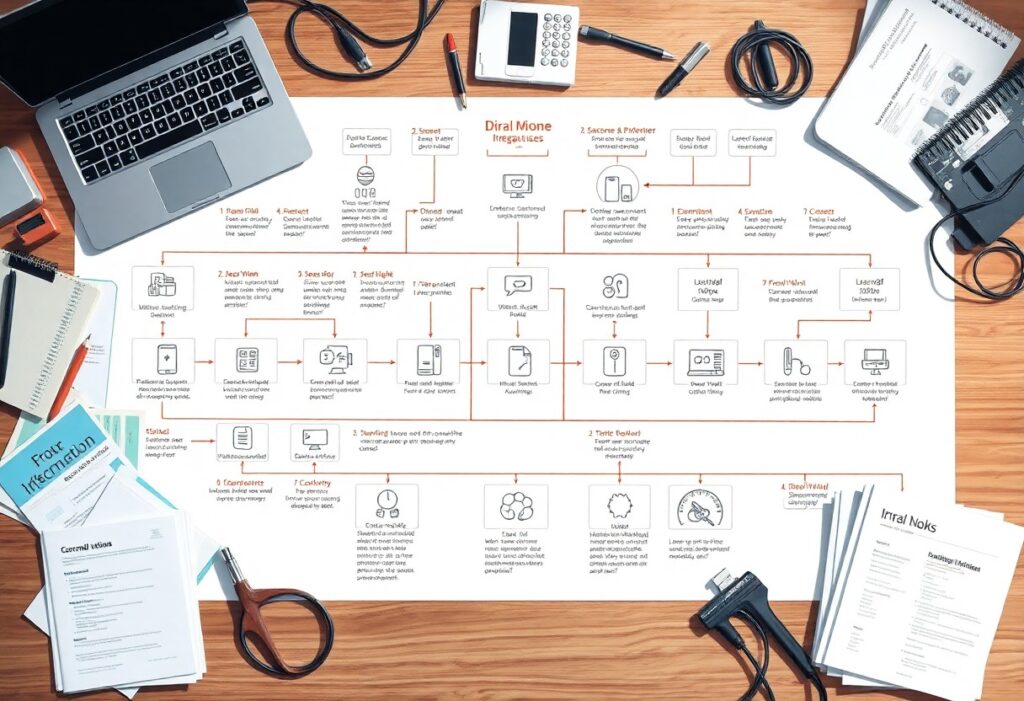
Automation is transforming how you approach your digital marketing strategies, particularly in SEO and automation efforts. By integrating AI systems, you can enhance your workflow, boost efficiency, and improve your rankings. This integration allows you to harness data-driven insights, making your optimization strategies more effective. However, it’s important to be aware of potential risks associated with over-reliance on technology. Join us as we explore the benefits and challenges of AI system integrations in streamlining your SEO processes.
Key Takeaways:
- AI system integrations can enhance data analysis, enabling more informed SEO strategies through deeper insights.
- Automation tools powered by AI streamline repetitive tasks, allowing SEO professionals to focus on high-impact activities.
- Integrating AI can personalize user experiences on websites, improving engagement and driving organic traffic.
- AI-powered algorithms can optimize content creation, suggesting relevant keywords and improving search rankings.
- Real-time monitoring and adjustments made possible by AI keep SEO strategies aligned with evolving search engine algorithms.

Understanding AI System Integrations
AI system integrations involve combining artificial intelligence technologies with various software applications and data sources to create seamless workflows. By leveraging these integrations, you can enhance your existing systems, enabling smarter decision-making and improved operational efficiency. This approach enables real-time data processing, predictive analytics, and personalized experiences tailored to your audience.
What is an AI System Integration?
An AI system integration refers to the practice of linking AI-driven applications with other business systems to enable data sharing, automation, and enriched functionalities. These integrations facilitate smoother interactions between disparate platforms, ensuring that valuable insights from AI tools are readily accessible across your workflows. When done correctly, this connectivity allows you to harness the full potential of AI technologies.
Benefits of AI Integrations in Business
AI integrations can significantly enhance your business operations by improving accuracy, increasing productivity, and fostering data-driven decision-making. By automating repetitive tasks and providing analytical insights, you can streamline processes, reduce errors, and allocate resources more effectively. Moreover, these integrations often lead to better customer experiences by personalizing interactions and optimizing service delivery.
Implementing AI integrations can lead to quantifiable improvements in your business metrics. For example, companies that utilize AI for customer service report a 30% reduction in response times and a 25% increase in customer satisfaction. Automated data analysis can free up to 40% of your team’s time, allowing them to focus on strategy rather than mundane tasks. By capitalizing on these benefits, you can stay ahead of the competition and drive meaningful growth in your organization.
The Connection Between AI and SEO
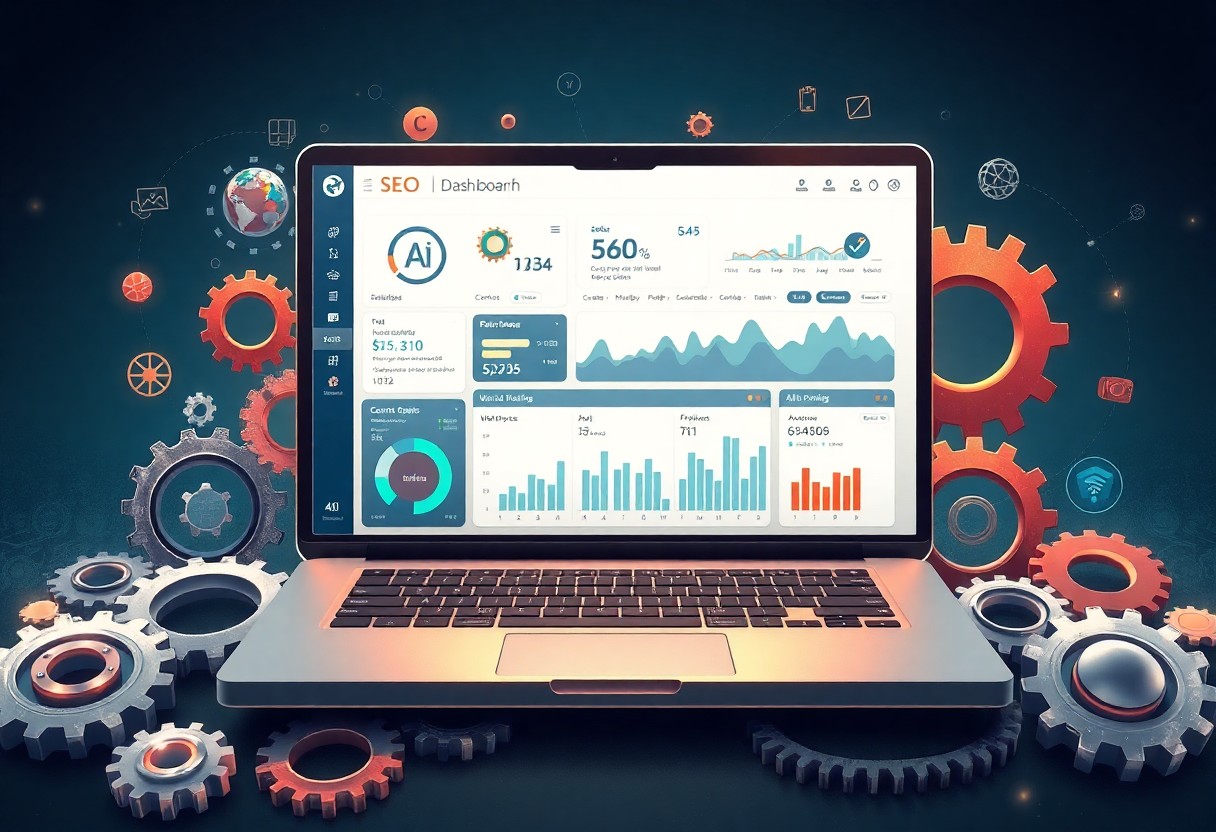
AI and SEO are intricately linked, as How AI is Changing SEO? reflects. AI enhances your ability to analyze vast amounts of data, enabling more informed decisions in content creation and optimization. By automating keyword research and identifying trends, AI helps you adapt your strategies in real-time, ultimately improving your website’s visibility and ranking.
How AI Enhances SEO Strategies
With AI, you can optimize your SEO strategies by utilizing predictive analytics and machine learning algorithms. These tools allow you to assess user behavior and adapt your content to meet search intent effectively. The result is a more personalized experience for your audience, fostering engagement and conversion opportunities.
Real-World Applications of AI in SEO
Numerous companies are leveraging AI for tangible SEO gains. For instance, platforms like Clearscope and MarketMuse use AI to provide content optimization recommendations based on top-performing pages. These insights help your content rank higher by aligning with user search behaviors and preferences.
One notable example is how Netflix employs AI-driven algorithms to analyze viewer behaviors and preferences, tailoring recommendations to optimize user retention and engagement. Similarly, SEMrush utilizes AI to enhance keyword research, suggesting terms that best fit your content needs. This innovative approach not only saves time but also ensures you stay ahead in the competitive SEO landscape, making your optimization efforts more efficient and targeted.
Streamlining Automation Efforts
In SEO, automation minimizes repetitive tasks, allowing you to focus on strategy and creativity. By integrating AI, you can automate everything from data analysis to content suggestions, streamlining your workflow. This not only enhances efficiency but also ensures your SEO efforts remain consistently effective. Automation tools let you react swiftly to market changes, optimizing your campaigns without the manual grind.
The Role of AI in Automation
AI plays a significant role in automation by analyzing vast datasets and predicting trends, which enables you to implement rapid and informed decisions. This technology learns from your user interactions, constantly optimizing processes in real-time. Consequently, AI-driven automation allows you to anticipate market shifts, adapt content strategies, and optimize ad placements, enhancing overall performance.
Tools that Combine AI and Automation
Numerous tools combine AI and automation to enhance your digital marketing strategy. Platforms like HubSpot, SEMrush, and Moz utilize AI to automate SEO tasks such as keyword research, performance tracking, and content optimization. These tools empower you to prioritize high-impact tasks and make data-driven decisions that save time while improving your marketing efforts.
For example, HubSpot’s AI-driven automation features allow you to schedule social media posts, track user engagement, and deliver personalized content seamlessly. SEMrush offers automated reporting solutions that analyze your SEO performance, highlight improvement areas, and suggest actionable insights, all based on AI algorithms. These integrations can lead to substantial time savings, enabling you to focus on strategic initiatives that foster growth and innovation.
Challenges and Considerations
Integrating AI systems into your SEO and automation strategies presents several challenges that require careful consideration. You may face issues related to data quality, as inconsistent datasets can lead to inaccurate AI outputs. Additionally, your existing infrastructure might not be fully compatible with new AI tools, necessitating costly upgrades. Moreover, the lack of skilled personnel to effectively manage these integrations can hinder your overall progress.
Potential Hurdles in Integration
Integrating AI systems can be fraught with potential hurdles that could derail your efforts. Data silos are one major issue, where information is trapped within individual departments, making it difficult to access comprehensive data. Moreover, the complexity of AI technologies can make implementation daunting, especially if your team lacks the necessary experience. Security concerns also arise when handling sensitive data during integration, leading to possible compliance violations.
Best Practices for Successful Implementation
To ensure successful implementation of AI integrations, adhere to several best practices. Start by conducting a thorough needs assessment to identify the specific AI solutions that align best with your objectives. Collaborate closely with stakeholders to establish a clear roadmap and timeline. Provide training sessions for your team to deepen their understanding of AI technologies and integration processes. Continually monitor performance metrics to refine your approach, ensuring that you optimize for the best results.
Focusing on these best practices will significantly enhance your chances of a smooth integration. Begin with a clear vision of your desired outcomes and align your AI tools to meet those specific needs. Engage your entire team early in the decision-making process to foster buy-in and collaboration. Regularly assess performance metrics to fine-tune your strategies, allowing you to pivot quickly if necessary. Keeping communication lines open will ensure all stakeholders are informed and engaged, paving the way for a successful integration. Ultimately, a structured approach will make the challenges of implementing AI integrations far more manageable.

Future Trends in AI and SEO
As AI continues to evolve, its integration with SEO will play a pivotal role in shaping future marketing strategies. Expect advancements in natural language processing and machine learning to lead to more personalized search experiences. Voice search optimization, for example, is predicted to gain traction, necessitating new approaches to keyword targeting and content creation. Businesses that adapt to these trends will likely outperform their competitors in visibility and engagement.
Predictions for AI’s Impact on SEO
Analysts forecast that AI will significantly enhance the precision of search algorithms, resulting in more relevant search results. Factors such as user intent and content personalization will take center stage. As AI systems become more adept at understanding context, SEO strategies must also shift to cater to an audience that increasingly expects tailored content that meets their specific needs.
Preparing for Upcoming Changes
To stay ahead, it’s necessary to proactively adapt your SEO strategies to the evolving landscape shaped by AI technologies. This involves adopting AI tools that enhance data analysis and leveraging predictive analytics to stay informed on trending keywords and user behaviors. You should also focus on creating high-quality, engaging content that resonates with your target audience while optimizing for voice and mobile searches.
Adapting means integrating real-time data analytics into your SEO practices, allowing you to respond quickly to search engine algorithm updates. Emphasize continuous learning and improvement by regularly reviewing your strategies against industry benchmarks. Engaging with AI-driven tools will help you anticipate shifts in the SEO landscape and refine your tactics accordingly. As you embrace these upcoming changes, remain flexible and open to experimenting with innovative techniques that AI can offer.
Success Stories
Numerous businesses have successfully integrated AI systems into their SEO efforts, showcasing significant improvements in their strategies. For insights into how this technology will shape the future, check out the Top Strategies for SEO Optimization Using AI in 2025.
Case Studies of AI Integration in SEO
Analyzing real-world applications offers valuable lessons:
- Company A: Increased organic traffic by 45% after implementing AI-driven keyword analysis tools.
- Company B: Enhanced click-through rates by 35% through personalized content recommendations powered by AI.
- Company C: Boosted page load speed by 50% using AI for website optimization, resulting in lower bounce rates.
- Company D: Improved SERP rankings by leveraging AI for automated A/B testing, achieving a 30% increase in conversions.
Lessons Learned from Industry Leaders
Industry leaders emphasize the significance of data-driven decisions. Deploying AI not only streams processes but also reveals insights previously overlooked. The use of machine learning algorithms identifies trends and user behavior, enabling you to tailor your SEO strategy effectively. Successful brands often focus on continuous optimization, leveraging AI tools to analyze data in real-time, ensuring they remain ahead of their competition and maintain their SEO edge.
Final Words
Hence, embracing AI system integrations in your SEO and automation efforts can significantly enhance efficiency and effectiveness. By streamlining processes, you can focus on crafting valuable content while the AI handles data analysis, keyword optimization, and trend tracking. This not only saves you time but also helps you stay ahead in the evolving digital landscape. Ultimately, implementing these technologies will empower you to achieve your marketing goals more effortlessly.
FAQ
Q: How can AI system integrations enhance keyword research for SEO?
A: AI can analyze vast amounts of data to identify trending keywords, user intent, and long-tail variations. This enables marketers to refine their keyword strategies, target high-volume search terms, and ultimately improve their content’s visibility.
Q: What role does AI play in optimizing website content?
A: AI tools can evaluate existing content, providing suggestions for improvements based on readability, engagement metrics, and SEO best practices. This leads to more effective content optimization that aligns with user expectations and search engine algorithms.
Q: How does automation streamline link-building efforts using AI?
A: AI can automate the identification of potential backlink opportunities through data analysis of websites in similar niches. It helps streamline outreach processes by generating personalized emails and tracking responses, enhancing link-building efficiency.
Q: In what ways can AI system integrations improve technical SEO?
A: AI can identify technical SEO issues such as broken links, page speed problems, and mobile usability errors. By automating the detection and reporting of these issues, webmasters can promptly address them, leading to improved site performance and search rankings.
Q: How does AI facilitate competitor analysis in SEO strategies?
A: AI can analyze competitors’ online presence, including their keyword rankings, backlinks, and content strategies. This information enables marketers to adapt their own SEO efforts, capitalize on gaps in the market, and devise more effective strategies for search visibility.