Just as technology evolves, so do your strategies for SEO and web design. In the AI era, automation trends are transforming how you approach digital marketing, making it necessary to adapt. By integrating automation tools, you can optimize your content more efficiently, enhance user experience, and ultimately improve your site’s visibility. Embracing these changes paves the way for staying ahead of the competition, allowing you to focus on what truly matters-connecting with your audience.
Most professionals are discovering how automation trends are reshaping their SEO and web design strategies in this AI era. As you navigate these changes, it’s necessary to adapt and leverage new technologies to enhance your online presence. With automation tools enhancing user experience and streamlining SEO processes, you can stay ahead of the curve. Explore the implications of these trends in this insightful article about SEO in the Age of AI: Impact of AI on SEO.
Key Takeaways:
- Automation enhances data analysis capabilities, enabling more accurate insights for SEO strategies.
- AI-driven tools facilitate personalized web design, improving user experience and engagement.
- Voice search optimization becomes crucial as automation integrates with voice recognition technologies.
- Streamlined content creation through automation tools impacts keyword strategies and SEO effectiveness.
- Automated A/B testing provides rapid feedback, allowing for agile adjustments in web design and SEO tactics.
Key Takeaways:
- Automation enables more efficient data analysis, allowing for targeted SEO strategies based on user behavior and preferences.
- AI-driven tools and algorithms are reshaping web design by personalizing user experiences, leading to higher engagement rates.
- Voice search optimization is becoming increasingly important as AI-powered voice assistants gain popularity, affecting keyword strategies.
- Your website’s performance is now closely linked to automation technologies, requiring faster loading times and adaptive designs.
- Content creation is being transformed by AI, enabling dynamic content generation and enhancing SEO efforts through tailored messaging.
Understanding Automation Trends
Automation trends are reshaping how you approach SEO and web design, encouraging efficiency and precision. As businesses pivot towards smarter technologies, integrating automation into your strategies allows you not only to save time but also to enhance accuracy in optimizing content and improving user experience. By leveraging these trends, you can stay ahead of competitors and better align your digital presence with evolving consumer behaviors.
The Rise of AI in Web Development
The integration of AI in web development transforms how you create and manage websites, making processes not only faster but also smarter. Tools like AI-driven design software analyze user behavior to suggest optimal layouts, while platforms such as Wix and Squarespace utilize AI to enable effortless web creation tailored to your audience’s preferences.
Automation Tools Streamlining SEO
Automation tools have become important for streamlining SEO tasks, offering you the ability to optimize efficiently without manual intervention. Technologies like automated SEO audits and rank tracking software simplify processes dramatically, allowing you to focus on strategy rather than repetitive tasks. With the right tools in place, you can identify opportunities, analyze data, and adjust your strategies in real-time.
For instance, using tools like SEMrush or Ahrefs can automate competitor analysis and keyword tracking, helping you uncover valuable insights that inform your content strategy. Moreover, automation allows for real-time performance monitoring, enabling quick adjustments that can protect your site’s search engine rankings. By deploying these solutions, you’re not just saving labor hours; you’re enhancing the overall effectiveness of your SEO approach and ensuring that you don’t miss out on important trends or changes in the digital landscape.
Understanding Automation Trends
Automation trends are profoundly reshaping how businesses approach digital marketing, particularly in SEO and web design. With powerful AI systems, companies can streamline processes, analyze vast amounts of data, and draw actionable insights. For further details, check out The Future of SEO: How AI Is Already Changing Search ….
The Rise of AI in Digital Marketing
AI’s growing presence in digital marketing is transforming how you connect with audiences. By leveraging machine learning and predictive analytics, you can tailor your strategies based on real-time data, improving engagement and conversion rates. This shift empowers marketers to create more personalized experiences for users.
Key Technologies Shaping Automation
Several key technologies influence the automation landscape, including chatbots, data analytics platforms, and natural language processing tools. These innovations enable you to enhance user interaction, automate customer service, and optimize content for better SEO results.
Focusing on data analytics, platforms like Google Analytics and Adobe Analytics offer deep insights, allowing you to track user behavior effortlessly. Machine learning algorithms can predict future trends, adjusting your marketing strategies accordingly. With tools like chatbots, customer engagement can be automated, providing instant responses and enhancing user experience. Integrating these technologies ensures you stay ahead in a competitive market, driving efficiency and effectiveness in your campaigns.
Impact on SEO Strategies
As you adapt to automation trends, your SEO strategies must evolve to harness AI capabilities. AI-driven analytics provide insights into user behavior, enabling you to optimize keyword strategies and improve content targeting, driving more organic traffic. The integration of automation tools allows for real-time adjustments based on performance metrics, ensuring your efforts align closely with market demands.
Adaptive Content Creation
With AI, you can create adaptive content that resonates with your audience’s needs and preferences. By leveraging data-driven insights, your content can be tailored for various demographics, enhancing engagement and ensuring relevance. This dynamic approach makes it possible to update and improve content swiftly as trends shift.
Enhanced User Experience
The use of automation not only streamlines content creation but also significantly enhances user experience. Personalized interactions are made possible through machine learning algorithms that analyze user behavior, allowing you to provide tailored recommendations and optimized navigation. This leads to lower bounce rates and higher levels of user satisfaction.
Automated tools can track user interactions across your site in real-time, providing opportunities for immediate optimization. For instance, if users consistently abandon a page, AI can suggest changes to layout, content, or loading speed. Furthermore, employing chatbots for responsive customer service can lead to timely assistance, significantly improving user retention. With these enhancements, you create a seamless flow that keeps users engaged, ensuring a positive overall experience that encourages return visits.
Impact on SEO Strategies
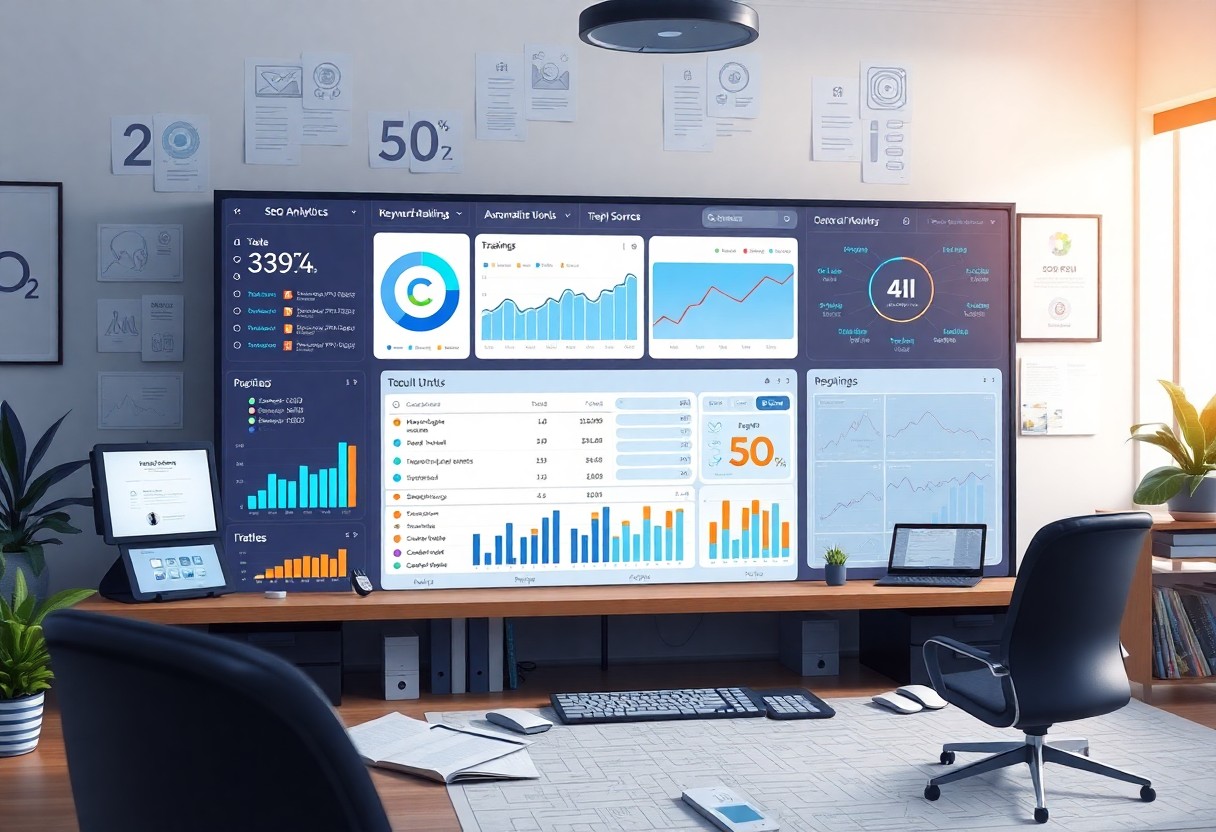
SEO strategies are increasingly shaped by automation, with tools streamlining processes and providing deeper insights. You can leverage Digital Marketing – Web Design, SEO & Social Media in an … to enhance your approach, maximizing visibility while reducing manual effort. The integration of AI allows for better targeting and efficiency in crafting your content strategy.
AI-Powered Keyword Research
Utilizing AI tools for keyword research allows you to uncover high-value keywords faster than traditional methods. These tools analyze large datasets to identify trending topics and latent semantic indexing terms, helping you tailor your content to what users are actively searching for.
Personalization and User Experience
Today’s SEO demands a focus on personalization and user experience, as search engines prioritize websites that engage users effectively. You can implement strategies that segment your audience, adjusting content to meet their specific needs, which enhances user satisfaction and retention rates.
By prioritizing personalization, you can create tailored experiences that resonate with your audience. For instance, leveraging data analytics to understand user behavior helps you segment visitors based on preferences and engagement patterns. Implementing dynamic content that changes according to user segments can significantly boost engagement, making visitors feel valued and understood. As a result, metrics like time on site and conversion rates improve, contributing to better SEO rankings. Applying these tactics not only enhances user experience but also aligns your strategy with the evolving demands of search engines.
Web Design in the AI Era
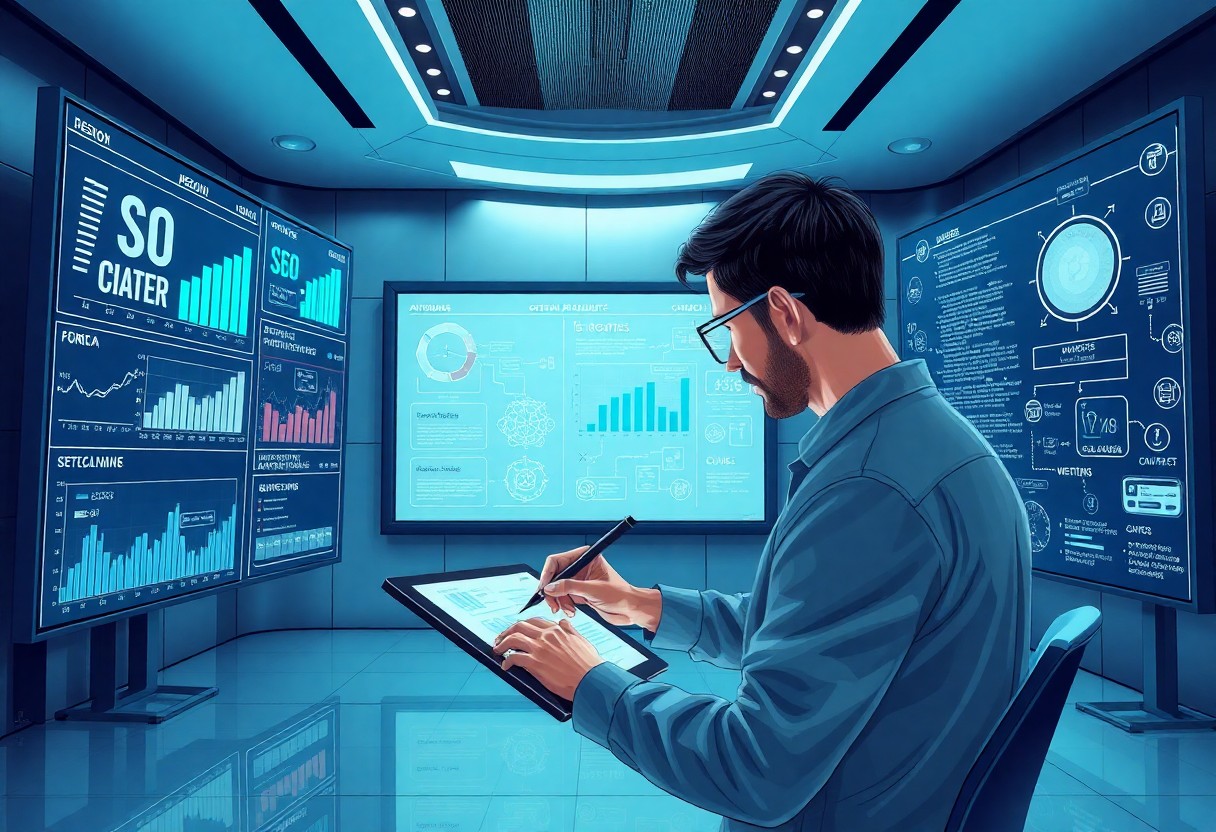
As you navigate the landscape of web design, AI technologies are fundamentally altering how you create and interact with users. From dynamic interfaces that adapt to user behavior to automated tools that streamline design processes, embracing these innovations can lead to more engaging and efficient websites. AI is not just a trend but a shifting paradigm that encourages you to rethink aesthetics and functionality.
Personalization Through Automation
Automation allows you to tailor user experiences in real-time, creating websites that resonate personally with each visitor. Through data analysis, you can understand user preferences, adjusting content and layouts dynamically. This level of personalization not only enhances user satisfaction but also drives higher conversion rates, as your audience feels more connected to the experience.
Responsive Design Techniques
In the AI era, responsive design techniques have evolved to meet users’ diverse needs across devices. By utilizing AI algorithms, you can automatically optimize layouts, ensuring seamless navigation whether on a smartphone, tablet, or desktop. This adaptability is vital as mobile traffic increases-over 54% of web traffic now comes from mobile devices-demanding designs that cater to varying screen sizes without compromising functionality.
Responsive design is now more advanced than ever, as AI can analyze user interactions to enhance layouts continuously. For instance, you might implement tools that evaluate how users engage with your site on different devices, adjusting elements like font sizes, button placements, and image resolutions in real-time. This ensures your website not only looks great but also performs optimally across all platforms, thereby improving user experience and retention.
Influence on Web Design Techniques
Your web design techniques are constantly evolving due to the automation trends shaping the industry. With AI tools enabling rapid prototyping and real-time feedback, you can create layouts that are both aesthetically pleasing and optimized for user engagement. These advancements allow you to streamline the design process while maintaining a focus on performance metrics, enhancing user experience significantly.
Automation in Design Tools
Automation in design tools gives you the edge in creating visually compelling websites faster than ever. Platforms like Adobe XD and Figma now incorporate AI features that suggest design patterns, color schemes, and layouts based on your initial inputs. By leveraging these tools, you can reduce development time and achieve consistency across your website, making design not only faster but more effective.
Responsive and Adaptive Design
Incorporating responsive and adaptive design is vital in today’s multi-device landscape. This approach ensures that your website delivers an optimal experience regardless of screen size. Dynamic elements adjust automatically based on the user’s device, enhancing usability and engagement.
Responsive and adaptive design strategies represent a significant shift in how you approach user experience. By adopting a mobile-first mindset, you ensure that your website functions seamlessly on smartphones, tablets, and desktops alike. In fact, reducing load times and optimizing elements for various devices can lead to a 20% increase in user retention rates. Tools like Bootstrap and Foundation facilitate this transition by offering grid systems and components that automatically adjust. Adopting these techniques positions your site to not only meet current standards but also adapt to future trends in device usage.
Balancing Automation and Creativity
Balancing automation and creativity is necessary for your SEO and web design strategies. While automation streamlines workflows and enhances precision, your unique creative input is vital for building an engaging user experience. The challenge lies in leveraging these automated tools while ensuring that your brand’s voice and aesthetic remain front and center. Striking this balance fosters innovation and retains the personal touch that resonates with your audience.
The Human Touch in Design
Incorporating the human touch in design is key to effective user engagement. Automation can handle repetitive tasks, but the emotional connection comes from your creative decisions. You can achieve impactful design by integrating personal stories, unique visuals, and user-centric elements that reflect your brand’s values. This approach not only enhances user experience but also fosters loyalty, leading to increased conversions.
Strategies for Effective Collaboration
Effective collaboration between automation and creativity requires strategic frameworks. Start by identifying tasks that benefit from automation, such as data analysis or content distribution, while reserving creative aspects, like design and messaging, for human input. Encourage your team to communicate openly about the aspects where automation can assist without compromising creativity. Utilize project management tools that integrate automation, keeping everyone on the same page as you blend efficiency with innovative ideas.
For successful collaboration, establish clear roles and foster a culture of feedback within your team. Regular brainstorming sessions can harness your collective creativity while allowing automated tools to take care of operational efficiency. By creating an environment where contrasting skills complement each other, you’re more likely to generate innovative solutions. Additionally, utilize analytics to assess the effectiveness of your collaborative efforts, allowing you to fine-tune processes continually and achieve the best outcomes while maintaining creativity. This synergy can significantly elevate your SEO and web design impact in the AI-driven landscape.
Integrating SEO with Automated Tools
Incorporating automated tools into your SEO strategy allows you to save precious time and enhance results. By utilizing AI-powered platforms for keyword research, you can identify high-potential terms more efficiently, while automation assists with on-page optimization, ensuring your content aligns with current SEO standards. This synergy not only increases productivity but also ensures your SEO tactics evolve with real-time data.
Streamlining Content Creation
Automated tools simplify content creation, enabling you to produce SEO-friendly articles at scale. AI can analyze current trends and suggest topics that resonate with your audience, allowing for a more targeted approach. The result is not just faster output but also improved relevance, which can significantly boost your site’s visibility and engagement.
Enhancing Analytics and Reporting
Integrating automated tools enhances your analytics and reporting processes by providing deeper insights into website performance. With AI-driven analytics platforms, you can track user behavior, conversion rates, and SEO metrics effortlessly, enabling quick adjustments to strategies that maximize results. This not only saves time but also sharpens your competitive edge in SEO management.
Moreover, these advanced tools can compile comprehensive reports in real-time, highlighting pivotal metrics and trends that inform your decisions. You can uncover patterns in user engagement and traffic sources that help you tailor your content and marketing strategies effectively. Utilizing automated reporting not only minimizes manual effort but also ensures accuracy, allowing you to focus on optimizing your campaigns based on solid data rather than guesswork, ultimately leading to higher ROI.
Future Insights
The future of SEO and web design is poised for transformative advancements fueled by automation. Staying ahead requires keen awareness of trends shaping the digital landscape. Understanding AI’s Influence on SEO: Strategies & Insights will be vital as you refine your strategies for greater effectiveness and user engagement.
Predictions for SEO and Web Design
Anticipate a shift toward hyper-personalized user experiences, largely driven by machine learning algorithms. This evolution will allow you to tailor content dynamically, enhancing user engagement and conversion rates. The integration of AI tools for predictive analytics will become standard practice in fine-tuning your SEO strategies, leading to more informed decisions.
Preparing for Continuous Change
Adapting to continuous change in the digital landscape requires a proactive approach. Incorporating agile methodologies in your workflow will enable you to pivot quickly as trends evolve. Regularly updating your knowledge about emerging technologies and SEO practices will keep your strategies relevant and effective. High-performing teams prioritize collaboration and creativity, ensuring they can respond swiftly to new opportunities and challenges.
To genuinely prepare for ongoing changes, invest time in training and upskilling your team. Embrace a culture of experimentation, where testing new tools and strategies becomes a norm rather than an exception. For instance, leveraging tools that provide real-time data can help you identify shifts in user behavior instantly. Additionally, remain flexible in your design approach, allowing for quick iterations based on analytics and user feedback. This adaptability not only strengthens your SEO and web design strategies but also positions you favorably against competitors in a rapidly advancing technological landscape.
The Future of SEO and Web Design in the AI Era
The landscape of SEO and web design is set for a major revolution as AI continues to advance. You can expect enhanced user experiences driven by personalization and automation. Intelligent algorithms will not only improve search rankings but also tailor web designs to meet the unique preferences of your audience, maximizing engagement and conversion rates.
Predictions for Automation in Marketing
Automation in marketing will streamline your campaigns through advanced AI tools that analyze user behavior and preferences. By 2025, it’s estimated that over 70% of marketing tasks will be automated, allowing you to focus on strategy while AI handles content distribution, performance analysis, and lead nurturing.
Adapting to Ever-Changing Trends
You must stay flexible and agile to adapt to the rapid evolution of SEO and web design trends. As search algorithms and user behaviors shift, making informed adjustments to your strategies will be imperative for maintaining visibility and relevance in a competitive market.
To truly navigate these changes, invest time in continuous education on emerging technologies and user experience trends. Utilize analytics tools to monitor your performance and user engagement data regularly. By responding swiftly to analytics insights, you’ll uncover opportunities for optimization, such as enhancing page load speeds or adjusting design for mobile-first indexing. Focus on ongoing experimentation-A/B testing different design elements and content strategies can uncover what resonates most with your audience, keeping you ahead of the curve.
Summing up
Ultimately, embracing automation trends empowers you to enhance your SEO and web design strategies in the AI era. By leveraging intelligent tools, you can streamline processes, improve user experience, and stay ahead of competition. This shift allows you to focus on what really matters-creating valuable content and engaging designs that resonate with your audience. For detailed insights, check out SEO Strategies for the AI Era: Your Complete Guide. Adapting to these changes will ensure your online presence remains effective and relevant.
Conclusion
Drawing together the insights from automation trends, you can enhance your SEO and web design strategies in the AI era. By embracing these advancements, you can streamline your processes, personalize user experiences, and ultimately improve your site’s performance. Staying ahead means being adaptable and innovative, allowing you to create a more engaging experience for your audience. Embrace the changes, and let automation work in your favor to elevate your digital presence.
FAQ
Q: What are the main automation trends impacting SEO and web design today?
A: Current automation trends influencing SEO and web design include AI-driven content generation, automated A/B testing, machine learning for user behavior analysis, chatbot integration for customer support, and the use of predictive analytics to tailor user experiences.
Q: How does AI-driven content creation enhance SEO?
A: AI-driven content creation enhances SEO by generating optimized content that aligns with user search intent, improving keyword targeting, and increasing the volume of high-quality content produced. This helps websites gain higher search rankings and better engage users.
Q: In what ways can automation streamline web design processes?
A: Automation can streamline web design processes through tools that facilitate rapid prototyping, automated code generation, and real-time design feedback. This enables designers to focus on creativity and strategy rather than repetitive tasks.
Q: How do chatbots improve user engagement on websites?
A: Chatbots improve user engagement by providing immediate, 24/7 assistance, answering frequently asked questions, and guiding visitors through the site. This enhances user experience and can lead to higher conversion rates.
Q: What role does predictive analytics play in tailoring web experiences?
A: Predictive analytics helps in tailoring web experiences by analyzing user data to forecast behavior and preferences. This allows for personalized content, targeted marketing strategies, and improved user satisfaction through customized interactions.