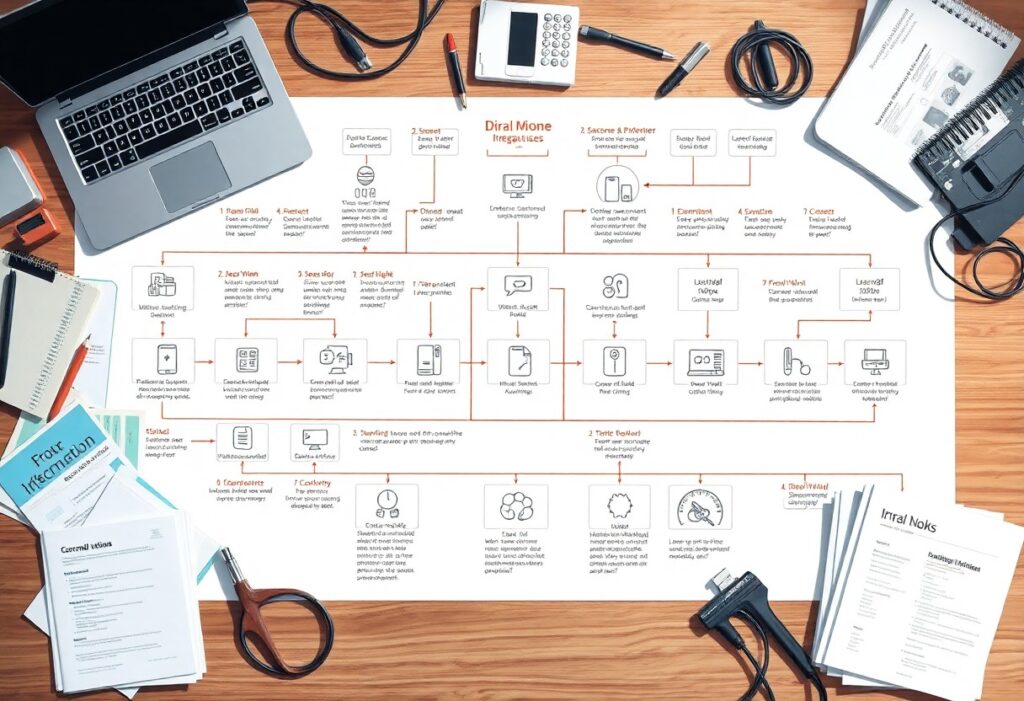
WebDesign is at the heart of creating a powerful online presence, and by integrating automation, SEO, and web design, you can significantly enhance your digital impact. Leveraging these elements not only streamlines your processes but also attracts and retains customers effectively. By investing time in learning how to synchronize these strategies, you’re paving the way for long-term success. Explore more about this synergy in Building bridges: the vital role of web development in ….

Key Takeaways:
- Integrate automation tools to streamline content updates and improve website functionality.
- Utilize SEO best practices in web design to enhance visibility and user experience.
- Implement data analysis from automated systems to inform design decisions and optimize performance.
- Create a cohesive strategy that aligns SEO goals with automated processes and web aesthetics.
- Regularly update design elements based on SEO trends and automation insights for ongoing improvement.
Understanding Automation
The integration of automation in business processes revolutionizes how you operate, enhancing efficiency and reducing human error. By leveraging technology, you can automate repetitive tasks, freeing up valuable time to focus on strategic initiatives and customer engagement. This shift not only optimizes workflow but also ensures consistency in your operations.
What is Automation?
Automation refers to the use of technology to perform tasks with minimal human intervention. It encompasses various processes, from data entry to marketing campaigns, allowing you to streamline operations and enhance productivity. By utilizing software applications, businesses automate workflows, making them faster and more reliable.
Benefits of Automation for Businesses
Implementing automation brings several advantages to your business, including increased efficiency, cost savings, and improved accuracy. You can reduce the time spent on repetitive tasks while lowering operational costs, ultimately boosting profitability. Automation also enables better data management, leading to more informed decision-making.
For example, studies show that companies integrating automation can experience up to a 400% increase in productivity. This is achieved by automating routine tasks like email marketing or data collection, allowing your team to focus on high-value activities. Additionally, automated systems help maintain accuracy, reducing errors that can lead to costly consequences. By embracing automation, you position your business for sustainable growth and adaptability in a rapidly evolving digital landscape.
The Role of SEO in Digital Strategy
Integrating SEO into your digital strategy enhances visibility and drives organic traffic. By leveraging keywords, optimizing content, and improving site architecture, you can ensure your business is positioned effectively against competitors. This constant adaptation to search engine algorithms means staying relevant and meeting your audience’s needs.
Basics of SEO
Understanding the basics of SEO involves key components like keyword research, on-page optimization, and link-building strategies. By selecting relevant keywords that your audience uses to search, you can create focused content that meets their needs. Technical aspects, such as enhancing site speed and ensuring mobile responsiveness, also play vital roles in your site’s search rankings.
Why SEO Matters for Business Growth
SEO is fundamental for driving business growth because it enhances your online presence, increases credibility, and generates quality leads. It positions your brand in front of the right audience at the right time, making it easier for potential customers to discover and engage with your offerings, leading to higher conversion rates.
Investing in SEO yields measurable results over time. For instance, businesses that prioritize SEO are 13 times more likely to see a positive ROI. With 70% of searchers only clicking on organic results, the importance of a well-crafted SEO strategy cannot be overstated. As you strengthen your website’s SEO, you’ll likely see an increase in both traffic and sales, contributing directly to your bottom line.
Web Design Essentials
Your website’s design is the first impression potential customers have of your brand. Focusing on aesthetics, functionality, and user experience ensures that visitors stay engaged. Elements like color schemes, typography, and layout not only convey your brand identity but also facilitate seamless navigation, making it easy for users to find information and take action. A well-designed website can significantly enhance conversion rates, converting casual visitors into paying customers.
Importance of User Experience
User experience (UX) directly impacts how visitors perceive your website. A positive UX leads to increased confidence in your brand, improved customer retention, and higher conversion rates. If your site is easy to navigate, visually appealing, and responsive across devices, users are more likely to engage with your content and return for future visits. Prioritizing UX fosters trust and satisfaction, significantly affecting your digital impact.
Key Design Elements for Effective Websites
Effective websites combine various design elements that work harmoniously together. These include intuitive navigation, mobile responsiveness, appropriate color schemes, clear call-to-action buttons, and optimized loading times. For instance, you can improve user engagement by ensuring that your site is mobile-friendly, as nearly 54% of global web traffic now comes from mobile devices. A beautifully designed site is not just about aesthetics; it plays a pivotal role in keeping users interested and guiding them towards making a purchase.

Blending Automation, SEO, and Web Design
Combining automation, SEO, and web design creates a cohesive digital presence that effectively attracts and retains visitors. This harmony not only enhances user experience but also maximizes your site’s search engine performance. By strategically integrating these elements, you position your business to respond swiftly to changing trends, driving better engagement and conversion rates.
Strategies for Integration
To successfully blend these components, focus on creating user-centered design while implementing automation for tasks like SEO audits and content scheduling. Consider utilizing responsive design, which ensures your site looks great and functions well on all devices, alongside automated tools that optimize images and meta tags for SEO purposes, achieving both aesthetic and technical excellence.
Tools and Technologies to Consider
Utilizing efficient tools can streamline the integration of automation, SEO, and web design, enhancing your overall strategy. Tools like WordPress for web design, Ahrefs for SEO tracking, and Zapier for automation can elevate your workflow, ensuring that your website remains responsive to user needs while optimizing search performance.
Specifically, platforms like Google’s PageSpeed Insights provide actionable insights on your site’s loading speed, which influences SEO rankings. Combine this with automation tools like HubSpot for content management, allowing you to schedule posts and analyze engagement metrics effortlessly. The synergy between these tools not only saves time but also produces comprehensive strategies backed by data, leading to improved traffic and a more user-friendly experience on your site.
Case Studies: Success Stories
- Company A: Increased website traffic by 150% through automated SEO audits and targeted content updates.
- Company B: Improved conversion rates by 30% after redesigning their site with user-friendly web design principles and integrated automation tools.
- Company C: Achieved a 200% rise in organic search visibility by blending automation into their content strategy, leveraging keyword optimization.
- Company D: Reduced bounce rates by 40% through a revamped website layout and streamlined customer engagement through automation.
Businesses That Got It Right
Your perfect blend of automation, SEO, and web design can be seen in businesses like Company A and Company B, who have effectively utilized synergies in these areas. They optimized their digital footprints by integrating advanced analytics and user-friendly interfaces, resulting in significant boosts in both traffic and sales. Learning from their strategies showcases the importance of a cohesive approach to online presence.
Lessons Learned from Their Experiences
Analyzing the successes of these companies reveals valuable insights for your own business journey. Each organization highlighted the need for ongoing adjustments in their strategies, emphasizing flexibility in automation and SEO updates to keep up with changing digital landscapes. Collaboration between teams also emerged as key in fostering innovation and responsiveness to customer needs.
Incorporating lessons from these success stories can transform your own digital strategies. For instance, adopting regular audits and the use of data analytics tools will ensure you remain aware of industry trends, helping you pivot swiftly when necessary. Emphasizing communication across departments can streamline efforts and create a more agile operation that can respond effectively to market demands. Being proactive and adaptable could ultimately define your business’s success in the increasingly competitive digital environment.

Best Practices for Maximum Impact
To maximize your digital impact, focus on the synergy between automation, SEO, and web design. Leverage data-driven insights to refine your strategies continuously. Utilizing tools that enhance user experience on your site goes hand in hand with effective SEO practices. For a deeper understanding, explore Crafting a Digital Presence: The Impact of Web Design and ….
Tips for Implementation
Start by integrating automation tools to handle repetitive tasks effectively. Ensure your website design is responsive and optimized for speed. Regularly conduct SEO audits to identify areas for improvement. Monitor your analytics to gauge user behavior and adapt accordingly. Finally, maintain fresh content to keep your audience engaged. Recognizing the interplay between these elements is vital for sustained success.
Common Pitfalls to Avoid
Many businesses neglect the importance of cohesive strategies, leading to disjointed efforts that dilute their impact. If you focus heavily on SEO at the expense of user experience, your site may rank well but fail to convert visitors. Additionally, failing to update automation tools or your website design can result in missed opportunities. Ignoring analytics means disregarding valuable insights that could enhance your approach.
Avoiding common pitfalls ensures your digital strategies are truly effective. Many fall into the trap of overlooking the alignment of automation with SEO and web design, leading to mixed messages for users. Additionally, relying solely on automated tools without periodic human oversight may foster errors. Ignoring continuous improvement based on user feedback is detrimental, as is creating content without clear goals. Stay proactive to build a cohesive digital experience that resonates with your audience.
Final Words
Ultimately, blending automation, SEO, and web design can significantly enhance your digital impact. By streamlining processes, optimizing your content for search engines, and ensuring an engaging user experience, you position your business for growth and success. Embrace these strategies and watch how they work together to attract more visitors, foster deeper connections, and improve conversions. A harmonious integration of these elements empowers you to stand out in a competitive online landscape.
FAQ
Q: How can automation improve SEO efforts for a business?
A: Automation tools can streamline SEO processes, such as keyword research, content optimization, and performance tracking. These tools can help businesses identify high-value keywords, update meta tags, and analyze competitor strategies, ultimately enhancing their online visibility.
Q: In what ways does web design affect SEO performance?
A: Web design impacts SEO by influencing user experience and site structure. A well-designed website enhances loading speed, mobile responsiveness, and navigation, which contribute to lower bounce rates and higher search rankings. Proper use of headings, alt tags, and URL structures within web design also aids SEO.
Q: How can businesses integrate automation into web design processes?
A: Businesses can use automation tools for repetitive design tasks like template creation, resizing images, and A/B testing layouts. This not only speeds up the design process but also allows designers to focus on more strategic tasks, leading to a more efficient workflow.
Q: What role does content play when blending SEO with automation and web design?
A: Content is central to SEO success and should be aligned with web design and automation strategies. Automated content creation tools can generate SEO-friendly articles, while web design can optimize how this content is presented, ensuring it engages users and satisfies search engine criteria.
Q: How do analytics integrate with automation, SEO, and web design for digital impact?
A: Analytics provide data-driven insights that can guide automation, SEO adjustments, and design improvements. By tracking user behavior, businesses can automate responses to certain actions, optimize SEO strategies based on performance metrics, and refine web design elements to enhance user experience.