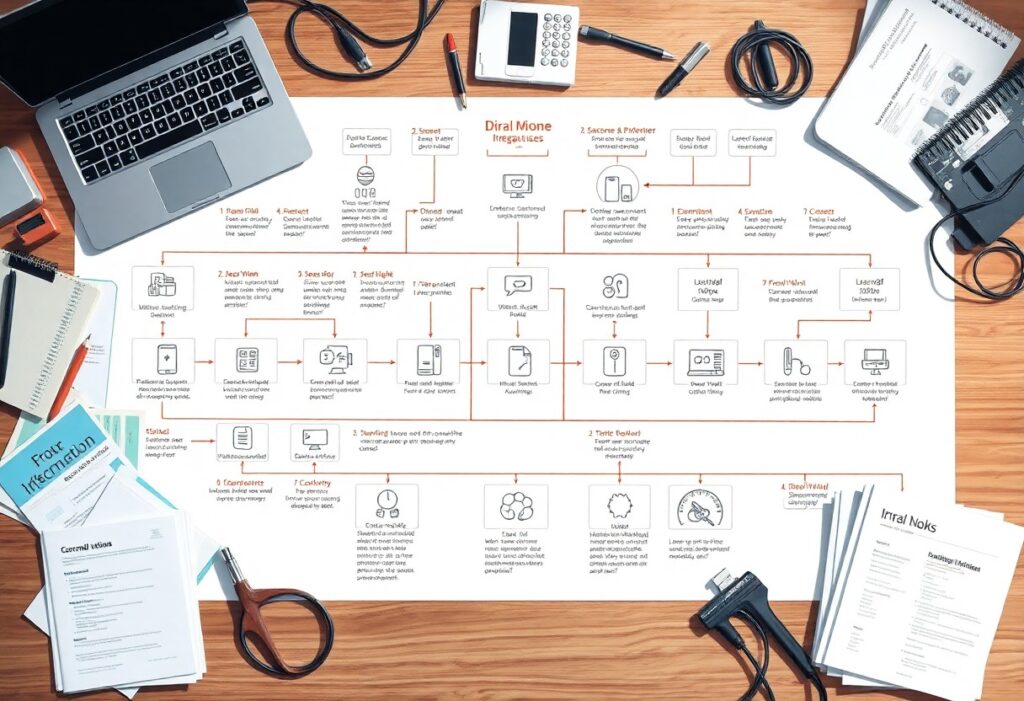
Just imagine how intelligent system integrations can transform your SEO and web design workflows! By leveraging advanced technologies, you can enhance efficiency, boost creativity, and improve your site’s performance. These innovations allow you to automate tedious tasks, ensuring that your team can focus on what truly matters: creating engaging experiences for your audience. Explore more about this transformation in our insightful article on How Smart AI is Changing the Way We Build the Web? and stay ahead in this evolving landscape.
Key Takeaways:
- Intelligent systems automate repetitive tasks, increasing efficiency in SEO and web design workflows.
- AI-driven analytics provide deeper insights into user behavior, enabling more targeted optimization strategies.
- Integration of intelligent systems enhances personalization, improving user engagement on websites.
- Streamlined communication between tools leads to faster project delivery and improved collaboration among teams.
- Adaptive design practices supported by intelligent systems ensure better performance across various devices and platforms.

Understanding Intelligent Systems
Intelligent systems represent a convergence of technology and automation that significantly transform workflows in SEO and web design. By leveraging artificial intelligence, machine learning, and data analytics, these systems can optimize processes, enhance decision-making, and deliver insights that drive efficiency and creativity.
What are Intelligent Systems?
Intelligent systems are advanced technological frameworks designed to mimic human decision-making and problem-solving abilities. They employ algorithms and data processing techniques to analyze large volumes of information, offering tailored solutions that improve operational effectiveness and user engagement.
Key Features of Intelligent Integrations
The integration of intelligent systems into your workflows brings a wealth of features that can streamline your processes and enhance outcomes.
- Automation: Reduces manual effort by automating repetitive tasks.
- Data Analysis: Provides insights through advanced analytics and data visualization.
- Personalization: Tailors user experiences based on individual behaviors and preferences.
- Adaptive Learning: Improves outcomes over time by learning from previous interactions.
- Integration Capabilities: Seamlessly connects with various platforms and tools.
Recognizing these features can empower you to implement intelligent integrations that significantly impact your SEO and web design practices.
In essence, the key features of intelligent integrations not only automate tasks but also enhance analytical capabilities, ultimately leading to better user experiences. For instance, using AI-driven insights, you can identify trends and adapt your strategies in real-time, ensuring that your content always resonates with your audience. This level of personalized interaction is invaluable in today’s competitive digital landscape.
- Real-Time Feedback: Allows for instant adjustments based on user engagement.
- Scalability: Grows with your business needs without additional overhead.
- Consistency: Ensures uniformity across multiple platforms and channels.
- Cost-Effectiveness: Reduces long-term operating costs through efficiency gains.
- Enhanced Collaboration: Facilitates better teamwork through shared data and resources.
Recognizing the breadth of these features equips you with a robust toolkit for navigating the evolving landscapes of SEO and web design.

The Evolution of SEO
The landscape of SEO has transformed dramatically over the years, shifting from basic keyword tactics to complex algorithms that prioritize user experience and content relevance. Today, How AI is Shaping the Future of Website Design drives these changes, integrating advanced analytics, machine learning, and intuitive designs that cater to your audience’s needs. This evolution continues to demand a proactive approach to stay ahead in the competitive digital space.
Traditional SEO vs. Intelligent SEO
Traditional SEO often relies on static keyword strategies and manual processes, while Intelligent SEO utilizes real-time data analysis and AI-driven insights to optimize your content dynamically. You can harness user behavior, voice search trends, and contextual data to create a tailored SEO strategy, enhancing engagement and ranking. This shift allows you to target your audience more effectively, adapting strategies as you gain insights.
Benefits of Intelligent SEO
The advantages of Intelligent SEO underscore its necessity in modern digital strategies. You gain deeper insights into audience preferences, improved adaptability to algorithm changes, and more efficient content creation processes. Enhanced user experiences lead to higher engagement rates, ultimately driving conversions and loyalty.
By embracing Intelligent SEO, you position your brand for better performance in search results. With the ability to analyze vast amounts of data, you can identify patterns and trends that inform your strategy. For example, leveraging AI can help predict which keywords will become popular, enabling you to optimize your content ahead of time. Additionally, Intelligent SEO tools provide personalized recommendations, allowing you to enhance your site’s usability and appeal. This holistic approach significantly increases your chances of standing out in a crowded digital landscape.
The Impact on Web Design
As intelligent system integrations become more prevalent, their influence on web design processes is undeniable. These systems allow for rapid prototyping, enabling designers to iterate on ideas with unprecedented speed. You can now generate design recommendations based on user behavior or preferences, ensuring that your creations resonate with the target audience while optimizing for performance metrics. This technological shift not only enhances aesthetic value but also aligns more closely with functionality, creating websites that are both visually appealing and efficient.
Streamlining Design Workflows
With intelligent systems, you can automate tedious and repetitive tasks, such as layout adjustments and color scheme selections. This shift allows teams to focus on creative aspects rather than getting bogged down in technical details. Tools powered by AI analyze prior designs, customer feedback, and market trends to suggest optimal design variations. As a result, your workflow becomes significantly faster, enabling you to deliver projects in a fraction of the traditional time.
Enhancing User Experience
Integrating intelligent systems into your web design can significantly enhance user experience through personalized interactions. By leveraging AI-driven insights, you can tailor content and interfaces to meet individual user needs. This level of customization fosters engagement and satisfaction, ultimately boosting conversion rates. Websites equipped with such capabilities can adapt in real-time, adjusting layouts or content based on user behavior, which keeps visitors engaged and encourages longer sessions.
For example, consider a retail website that uses intelligent systems to analyze browsing patterns. If a user frequently looks at specific categories, the system can prioritize those products upon their next visit. Such personalized adjustments mean you’re not just creating a one-size-fits-all design; instead, you’re crafting an experience that speaks directly to your users, thereby improving retention and driving sales. Data from companies utilizing these systems suggests a notable increase in user satisfaction, frequently resulting in an uptick in loyalty and brand advocacy.

Case Studies in Intelligent Integrations
Your understanding of intelligent system integrations will be enhanced through these compelling case studies, showcasing real-world applications transforming SEO and web design workflows.
- Company A increased organic traffic by 150% after implementing an AI-driven content optimization tool.
- Agency B reduced design workflow time by 40% with automated user experience testing.
- Brand C achieved a 30% higher conversion rate utilizing predictive analytics for personalized content delivery.
- Startup D enhanced keyword targeting effectively, resulting in a 200% ROI within three months.
Successful Examples
A standout case is Company A, which saw a remarkable 150% increase in organic traffic post-implementation of an AI content optimizer. This integration not only streamlined keyword research but also tailored articles to audience preferences, significantly boosting engagement.
Lessons Learned
Key insights from these case studies highlight that swift adoption of intelligent integrations can yield transformative results in your workflows. Prioritizing data-driven decisions allows you to focus on what resonates with your audience, optimizing both resource allocation and output efficiency.
Furthermore, the success of Agency B emphasizes the importance of automation in minimizing repetitive tasks. This enables your team to concentrate on strategic initiatives rather than getting bogged down in manual processes. By leveraging intelligent systems to analyze user behavior, you can create more personalized experiences, ultimately improving site performance and conversions.
Future Trends in SEO and Web Design
Anticipating the future of SEO and web design reveals exciting innovations driven by intelligent systems. As machine learning algorithms become more refined, they will significantly enhance user experience, allowing for hyper-personalization in web content delivery. The intersection of AI and web design will not only streamline workflows but also facilitate better data analysis, ensuring that you remain ahead in an ever-evolving digital landscape.
Predictions for the Next Few Years
In the coming years, expect predictive analytics to dominate SEO strategies, creating tailored user experiences based on data insights. SEO tools powered by AI will continuously adapt, optimizing content for voice search and automated responses. Additionally, web design will increasingly incorporate augmented reality, offering immersive experiences that engage users more effectively.
Preparing for Change
To thrive amidst these advancements, it’s important to stay ahead of emerging technologies and embrace continuous learning. Adapting your skills for the integration of AI in SEO and web design will enable you to leverage data-driven strategies that align with future trends.
Consider investing in AI-based tools that not only enhance your workflow but also provide deeper insights into user behavior. Engaging in workshops and online courses focused on these technologies will keep you updated. Collaborative platforms will also become vital for teamwork as integrations evolve, so familiarize yourself with tools that facilitate these connections. By preparing now, you’ll place yourself at the forefront of the industry’s rapid transformation.
Overcoming Challenges
Intelligent system integrations may present hurdles like data compatibility issues and the need for advanced technical skills. Your team might struggle with misaligned tools or find themselves overwhelmed by the initial complexity. Mitigating these challenges requires a proactive approach, including extensive testing and training to ensure every member adapts seamlessly to new technologies.
Addressing Common Concerns
Concerns about privacy and data security are predominant in intelligent system integrations. You’ll need to ensure compliance with regulations like GDPR and prioritize user data protection. Addressing these issues directly can help build trust with clients and customers while fostering a secure digital environment.
Best Practices for Implementation
Successful implementation of intelligent system integrations hinges on a clear strategy. Begin by assessing your current infrastructure, selecting tools that align with your goals, and investing in training for your team to handle the new systems effectively.
Further, create a roadmap that outlines each phase of the integration process. Utilize pilot projects to test systems before a full rollout, gathering feedback to refine functionality. Continuous monitoring and optimization are crucial; implementing analytics can help you gauge performance and make data-driven adjustments as needed. Emphasizing user experience in all stages fosters engagement and maximizes the impact of automation, ultimately leading to improved workflow efficiency.
Final Words
Hence, as intelligent system integrations continue to evolve, you can expect profound changes in your SEO and web design workflows. These advancements will enhance your efficiency, allowing you to stay ahead of the competition while providing a more personalized experience for your users. Embracing these technologies will empower you to optimize your strategies and create websites that are not only visually appealing but also highly functional and user-friendly.
FAQ
Q: How do intelligent system integrations enhance SEO processes?
A: Intelligent system integrations streamline data analysis, allowing for real-time tracking of SEO performance metrics, automating keyword research, and providing personalized content recommendations based on user behavior. This leads to more efficient optimization strategies.
Q: In what ways do these integrations affect web design workflows?
A: By incorporating intelligent systems, web design can become more adaptive. Automated user experience testing and A/B testing can analyze visitor interactions, offering insights that help refine design elements on-the-fly, improving overall user satisfaction.
Q: What role does AI play in content creation within SEO and design?
A: AI tools can generate content suggestions, optimize existing articles for SEO, and analyze competitor content. This allows marketers and designers to produce high-quality, relevant content more rapidly, aligning it more efficiently with targeted SEO strategies.
Q: How does automation influence collaboration between SEO and web design teams?
A: Automation tools facilitate better communication and project management between SEO and design teams. Shared dashboards and integrated platforms provide both teams with access to the same performance data, ensuring alignment and faster decision-making.
Q: What are the potential challenges of implementing intelligent system integrations in SEO and web design?
A: Challenges include the potential for technical difficulties during integration, ensuring data quality, and the need for ongoing training on new tools. Companies may also face resistance to change from traditional workflows, requiring strategic management to overcome.