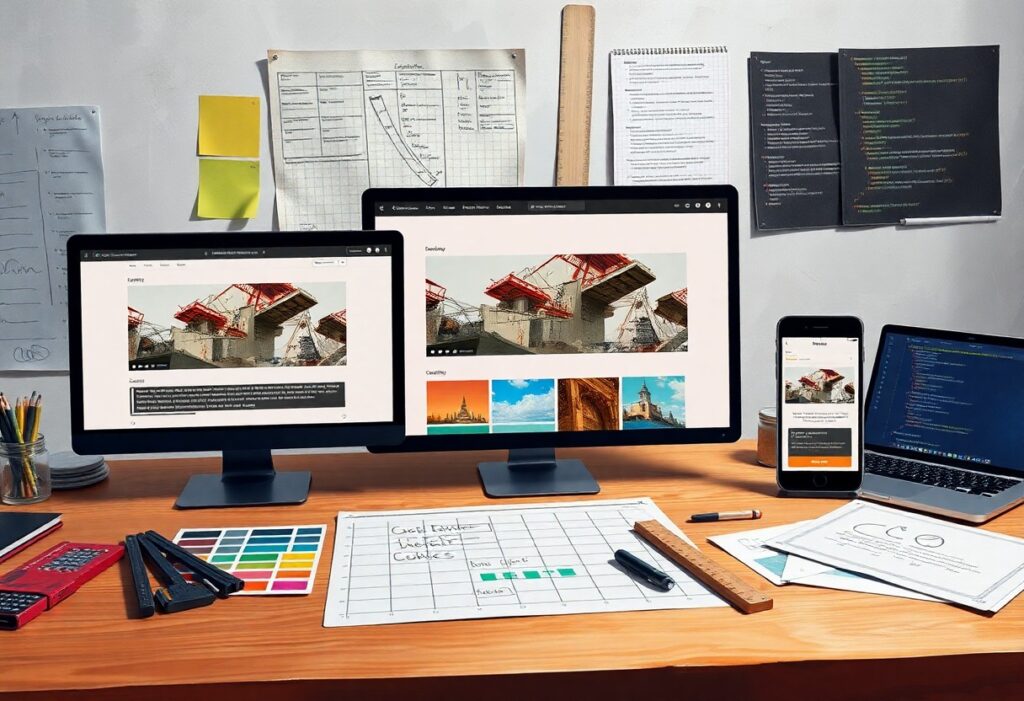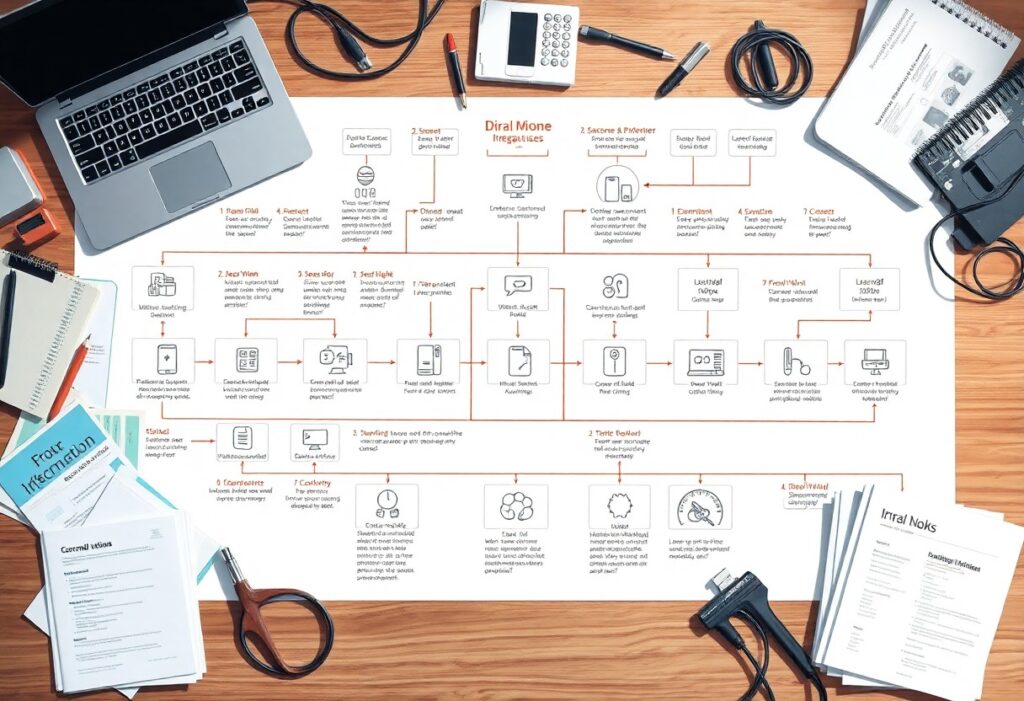
Just improving your web design can lead to increased user engagement and a more enjoyable online experience. In this guide, you’ll discover how to effectively harness creativity while keeping usability at the forefront. By integrating color, typography, and responsive layouts, you can create a site that not only looks stunning but also captures and retains the attention of your visitors. Let’s probe the strategies that will transform your website into a captivating platform!

Key Takeaways:
- Prioritize user experience by ensuring intuitive navigation and quick loading times.
- Utilize responsive design to ensure compatibility across various devices and screen sizes.
- Incorporate visual hierarchy to guide users’ attention through strategic use of colors, fonts, and images.
- Engage visitors with interactive elements that enhance the overall experience and encourage participation.
- Regularly analyze user feedback and website analytics to make data-driven adjustments for continuous improvement.

Understanding the Basics of Web Design
Grasping the vitals of web design is vital for creating an engaging online presence. A well-designed website combines aesthetics, functionality, and usability. Elements such as layout, color schemes, typography, and imagery work together to create a cohesive experience. Comprehending how these components affect user perception and interaction is foundational to optimizing your web design. By focusing on both the visual appeal and practical functionality, you set the stage for an impactful digital experience.
Key Principles of Creative Design
To achieve effective creative design, prioritize balance, contrast, and alignment. Balance ensures visual stability, while contrast draws attention to important areas. Alignment creates a sense of order by organizing elements within your layout. Additionally, incorporating white space prevents overcrowding and enhances readability. Adhering to these principles not only enhances aesthetics but also guides users seamlessly through your content.
Importance of User Experience
User experience (UX) plays a significant role in web design success. A positive UX can lead to higher engagement, increased conversion rates, and repeat visitors. By understanding your audience’s needs and pain points, you can create a more tailored experience that resonates with them. This means considering factors like loading times, mobile responsiveness, and intuitive navigation, which collectively contribute to users’ satisfaction and interaction with your site.
Prioritizing user experience empowers you to build stronger connections with your audience. Research indicates that users will abandon a site if it takes longer than three seconds to load, underscoring the need for swift performance. Additionally, over 70% of website visitors are more likely to return if they enjoy their initial interaction. Designing for UX goes beyond aesthetics; it requires empathy and an understanding of user behavior, ultimately leading to improved retention and loyalty.
How to Optimize Your Creative Web Design
Optimizing your creative web design involves balancing aesthetics with functionality. Ensure your site not only looks appealing but also operates smoothly across all devices. By integrating user feedback and continuously testing design elements, you can adapt to the changing needs of your audience. Each change should enhance the overall user experience, leading to increased engagement and lower bounce rates.
Tips for a Responsive and Interactive Layout
Your layout should be responsive across various devices, ensuring all users have an enjoyable experience. Incorporate interactive elements that respond to user actions, making navigation intuitive. Utilize the following tips:
- Implement flexible grids to adapt to different screen sizes.
- Use media queries to adjust styles based on device characteristics.
- Incorporate hover effects to enhance interactivity.
Recognizing the importance of a responsive and interactive layout can vastly improve user engagement.
Factors to Consider for Visual Appeal
Visual appeal is central to keeping visitors on your site. Pay attention to color schemes, typography, and imagery that aligns with your brand identity. Utilize these elements to create a harmonious visual experience:
- Choose a consistent color palette that reflects your brand.
- Opt for readable fonts that enhance usability.
- Incorporate high-quality images that resonate with your audience.
Thou should constantly assess how these factors contribute to an enticing user experience.
Implementing attractive visual elements requires thoughtful consideration of your target audience. Utilize contrasting colors for call-to-action buttons to guide users, while maintaining a cohesive palette for balance. Effective typography enhances readability and reflects your brand’s personality. Strive to showcase unique imagery that resonates with your message, aligning style with functionality. To optimize appeal, thy design should encourage engagement, leading to higher conversion rates.
- Ensure your layouts are user-friendly for better navigation.
- Employ consistent branding across all platforms.
- Stay updated with design trends to keep the site fresh.
Thou will find that these visual components significantly impact how visitors perceive and interact with your site.
Enhancing Engagement Through Content
Engaging content drives user interaction and encourages return visits. Focus on your audience’s needs by delivering valuable, relatable information. Brief, tailored content not only holds attention but also enhances shareability across social platforms. Integrating storytelling elements can create emotional connections, making your website a memorable destination. Analytics tools help you track user behavior and refine your content strategy to maximize engagement.
Crafting Compelling Copy
Effective copywriting captivates your audience from the first sentence. Utilize attention-grabbing headlines and persuasive language that resonates with your target demographic. Highlight key benefits clearly, making it easy for readers to understand what’s in it for them. Don’t shy away from using a conversational tone that invites readers in and encourages them to explore further.
Utilizing Multimedia Effectively
Incorporating multimedia elements like images, videos, and infographics can significantly boost engagement rates. Visual content captures attention, with research showing that people process visuals 60,000 times faster than text. Use relevant images to complement your message and videos to explain complex ideas, keeping them short and insightful to maintain viewer interest.
Utilizing multimedia effectively means creating a seamless blend of visuals and text that enriches the user experience. High-quality images can turn a mundane page into a vibrant one, while informative videos can provide an engaging way to present content without overloading the reader with text. Data from platforms like HubSpot indicates that content with relevant images gets 94% more views than text alone. Infographics serve as a powerful tool to distill complex information into digestible visual formats, enhancing understanding and retention. Ensure that all multimedia elements are optimized for speed and mobile devices to maintain accessibility for all users.
Implementing Effective Navigation
Effective navigation is vital for engaging user experiences, guiding visitors through your site seamlessly. Design menus that are intuitive and easy to understand, ensuring users can find the information they need without frustration. For more insights, check out 10 Creative Web Design Tips for Stunning Websites.
Creating User-Friendly Menus
Design clear, concise menus that categorize content logically. Using drop-down options for subcategories can reduce clutter while allowing users to navigate easily. Ensure text is legible and clickable areas are large enough for mobile users to tap without error.
Ensuring Seamless User Journeys
A seamless user journey minimizes friction during navigation, encouraging users to explore your site further. Utilize consistent design elements and logical path flows. Incorporating breadcrumbs, visible search bars, and quick links to popular sections can keep users oriented and moving towards their goals efficiently.
Best Practices for Mobile Optimization
To truly engage users on mobile platforms, optimization is imperative. Begin by ensuring your design adapts seamlessly to varying screen sizes, maintaining functionality and aesthetics across all devices. Avoid large images that could slow down performance and instead choose scalable graphics that retain clarity. Test your design on multiple devices to guarantee a consistent, user-friendly experience, enhancing accessibility and satisfaction.
Designing for Different Devices
Every device comes with distinct screen dimensions and resolutions, impacting how users experience your site. Use responsive design techniques to automatically adjust layouts, fonts, and elements based on the user’s device. Prioritize touch-friendly navigation with larger buttons and appropriate spacing to ensure a seamless interaction.
Importance of Fast Load Times
Fast load times directly correlate with user retention and conversion rates. If a site takes more than three seconds to load, users are likely to bounce. Optimize images, leverage browser caching, and reduce server response times. Each second counts, as studies show that conversion rates can drop by up to 7% for every additional second it takes for a page to load.
Ensuring your website loads quickly demands attention to detail in both design and structure. Compress images and minify CSS and JavaScript files to enhance load speeds. Consider utilizing content delivery networks (CDNs) to boost performance across different geographic locations. Regular speed tests can help you identify bottlenecks and maintain optimal load times, ultimately fostering a better user experience and increasing the chances of visitors returning.

Analyzing and Improving Performance
Monitoring your website’s performance is vital for understanding user behavior and enhancing engagement. Utilize various metrics like bounce rates, time on page, and conversion rates to identify areas needing improvement. These insights enable you to tailor content and design to better align with your audience’s preferences and ultimately create a more impactful online experience.
Using Analytics Tools
Analytics tools like Google Analytics or Hotjar provide you with valuable data on user interactions. You’ll gain insights into page views, user demographics, and behavior flow. By analyzing this information, you can pinpoint high-traffic pages and areas where users drop off, allowing you to make informed decisions on adjustments that can enhance engagement.
Gathering User Feedback
User feedback is an invaluable resource for refining your website. Surveys, polls, and feedback forms on your site can help you gather firsthand insights about visitor experiences and preferences. Even simple approaches, like asking users for their thoughts in exit surveys, can yield significant ideas for improvement.
Gathering user feedback can take various forms, from surveys to interactive polls. For instance, tools like Typeform or SurveyMonkey can help you design engaging questions that capture important user sentiments. Aim for short and targeted questions that encourage responses without overwhelming visitors. Leverage insights directly from users to discover pain points and areas where content can be sharpened, enhancing overall satisfaction and loyalty.
To wrap up
Conclusively, optimizing your creative web design is important for crafting engaging online experiences. By implementing effective strategies and keeping your audience at the forefront of your design process, you can transform the way users interact with your website. Explore valuable insights and actionable techniques in the 4 Best Practices for Creative Web Designs That Engage … to elevate your site’s appeal and functionality. Embrace creativity and watch your online presence thrive.
FAQ
Q: What are the imperative elements of creative web design?
A: Essential elements include a clear layout, intuitive navigation, cohesive branding, appropriate use of color and typography, and engaging multimedia content. These components work together to create an engaging and user-friendly experience.
Q: How can I improve the loading speed of my website?
A: To improve loading speed, optimize image sizes, utilize browser caching, minimize CSS and JavaScript files, and choose a reliable hosting provider. Implementing these strategies can significantly enhance user experience and reduce bounce rates.
Q: What role does responsive design play in web optimization?
A: Responsive design ensures that a website functions well on various devices and screen sizes. This enhances usability and accessibility, leading to higher engagement and satisfaction among users, regardless of how they access the site.
Q: What is the importance of user feedback in web design?
A: User feedback is vital in understanding how visitors interact with a site. It provides insights into areas that need improvement or features that resonate well, enabling designers to make data-driven decisions to enhance the overall experience.
Q: How can I incorporate SEO into my creative web design?
A: Incorporating SEO involves using relevant keywords in content, optimizing meta tags, ensuring proper URL structures, and enhancing site speed. Integrating these aspects into web design will improve visibility and draw more traffic to the site.