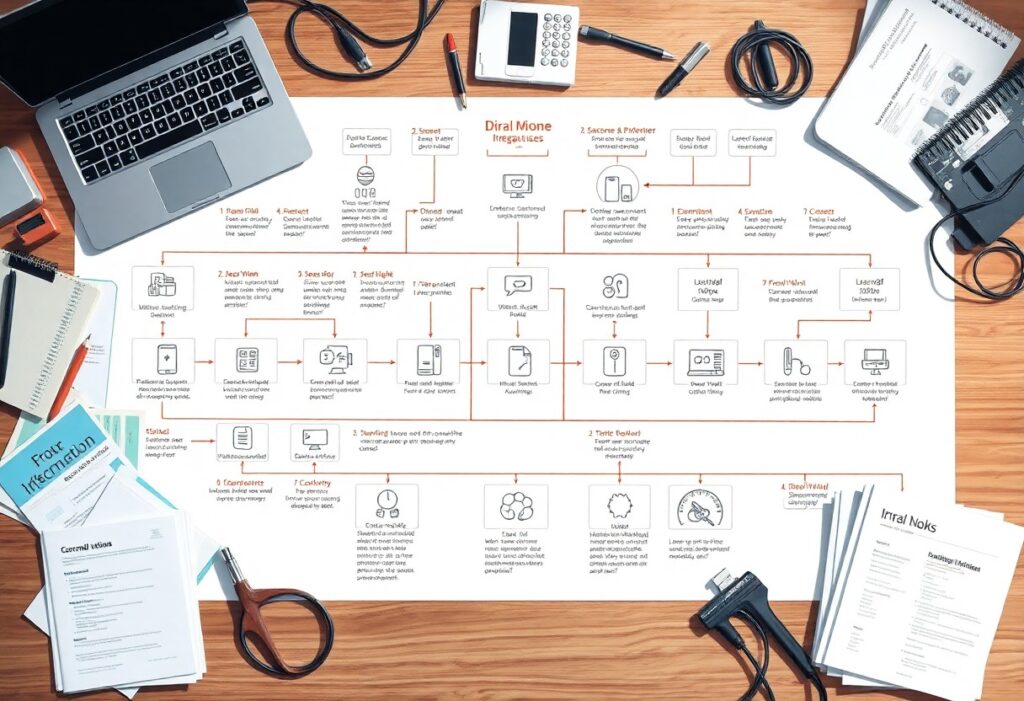
You can transform your business operations by mastering seamless system integrations. By focusing on effective communication between systems, you’ll enhance efficiency and reduce error potential. This guide will walk you through the imperative steps to achieve a successful integration process, ensuring a smooth transition that meets your business needs. Let’s get started on unlocking the full potential of your technology to foster growth and streamline workflow.

Key Takeaways:
- Define clear objectives and scope for integration projects to ensure alignment with business goals.
- Choose the right integration tools and technologies that best fit the existing system architecture.
- Facilitate communication between stakeholders and developers to streamline project progress.
- Implement rigorous testing phases to identify and resolve issues before going live.
- Establish ongoing support and maintenance plans to address post-integration challenges effectively.
Understanding System Integrations
System integration involves connecting different systems, applications, and processes to function as a cohesive unit, enhancing the overall efficiency and effectiveness of your business operations. By streamlining workflows, it ensures that data flows seamlessly between disparate systems, saving you time and reducing manual errors.
What is System Integration?
System integration is the process of linking various IT systems, software applications, and technologies to work together smoothly. This might include connecting customer relationship management (CRM) platforms with enterprise resource planning (ERP) systems, allowing for cohesive data exchange and communication across departments.
Why is it Important?
Implementing system integration significantly enhances your operational efficiency by reducing data silos and automating workflows. When systems communicate effectively, you can expect improved data accuracy, faster decision-making, and a greater ability to scale your operations. Studies show that companies with integrated systems achieve up to 30% higher productivity through optimized processes.
Moreover, a well-integrated system leads to better customer experiences. When your sales, inventory, and accounting systems are connected, real-time data enables you to respond quickly to customer inquiries and improve service delivery. Businesses that invest in seamless integrations often report a 20% increase in customer satisfaction ratings. Your ability to adapt to changing market conditions also improves, as integrated systems provide a unified view of your operations, helping you identify and act on trends faster than ever.
Key Factors for Successful Integration
Achieving successful system integration hinges on several key factors. These include clear communication, understanding of business processes, and the scalability of the solution. Prioritizing stakeholder engagement and continuous monitoring throughout the integration phases enhances adaptability and reduces risks. Additionally, aligning your integration strategy with overall business objectives ensures long-term sustainability. How to Implement Seamless Integration Tips and Techniques can provide further insights. Perceiving these factors as interlinked can empower you to streamline your integration approach effectively.
Identifying Integration Needs
Defining your integration needs is the first significant step. Engage with key stakeholders to gather requirements, ensuring you understand the core functionalities your systems must support. Analyze current systems and pinpoint gaps where integration will bring the greatest value. This practice not only alleviates redundancy but also fosters a vision for a more cohesive solution.
Choosing the Right Tools
Selecting the appropriate tools for your integration project is vital for success. Consider factors such as compatibility, ease of use, and the ability to automate workflows when evaluating options. Investing in robust tools that offer scalability and reliable support will pay off in terms of efficiency and reduced downtime.
The landscape of integration tools can be overwhelming, but focusing on user-friendly interfaces and comprehensive features can significantly streamline the selection process. Evaluate platforms based on performance metrics, community support, and available integrations with your existing software stack. Prioritize choices that offer strong API support and have proven capabilities in facilitating seamless communication between disparate systems. By equipping yourself with the right tools, you set the foundation for a successful integration journey.
Tips for Seamless Implementation
To achieve effective system integration, prioritize these fundamental steps:
- Define your objectives clearly.
- Engage with stakeholders early in your process.
- Invest in training and support for your team.
- Use tools that enable collaboration.
- Document the process thoroughly.
After following these guidelines, you’ll be equipped to tackle any integration challenges efficiently.
Planning and Strategy
Your success starts with a solid planning phase. Define your objectives, identify key stakeholders, and determine the resources necessary for a seamless integration. Having a well-structured strategy facilitates efficient communication and ensures everyone is aligned towards common goals.
Testing and Optimization
Once implementation is underway, continuous testing is imperative for discovering issues and enhancing performance. Optimize the integration by closely monitoring system interactions and gathering feedback from users. This iterative process allows you to identify bottlenecks and refine operations.
The testing phase should include both unit tests for individual components and integration tests to ensure all systems work together seamlessly. Utilize automated testing tools to save time and improve accuracy. By assessing response times and error rates, you’ll uncover insights to sharpen your integration strategy. Don’t overlook the importance of user feedback; their experiences can guide adjustments and refine the overall system. After implementing these testing protocols, your integration can evolve into a robust, scalable solution that perfectly aligns with your business needs.

Best Practices for Ongoing Support
Ensuring long-term success with system integrations requires a proactive approach to support. Establish a dedicated team for ongoing maintenance, offer training sessions for users, and implement clear documentation to streamline processes. Regularly communicate with stakeholders to gather feedback and address any issues that arise, fostering a culture of continuous improvement.
Monitoring System Performance
To optimize your integrated systems, implement real-time monitoring tools that track performance metrics. Utilize dashboards to visualize system health, response times, and user experiences. By being proactive, you can quickly identify bottlenecks or anomalies, ensuring that your operations run smoothly and efficiently.
Keeping Systems Updated
Regularly updating your integrated systems is imperative for maintaining security and functionality. Schedule periodic updates to software and applications, and stay informed about patches or new versions that your integrated platforms release. This practice enhances compatibility and provides access to the latest features, benefiting your entire operation.
Keeping systems updated is not merely about installing the latest patches; it also involves understanding how changes impact integration workflows. For instance, when your CRM updates its API, you’ll need to assess and modify the integration points to ensure continued functionality. Failing to keep systems current may lead to vulnerabilities and operational disruptions. Regular training for your team on new features and updates can further enhance user experience and system efficiency.
Troubleshooting Common Issues
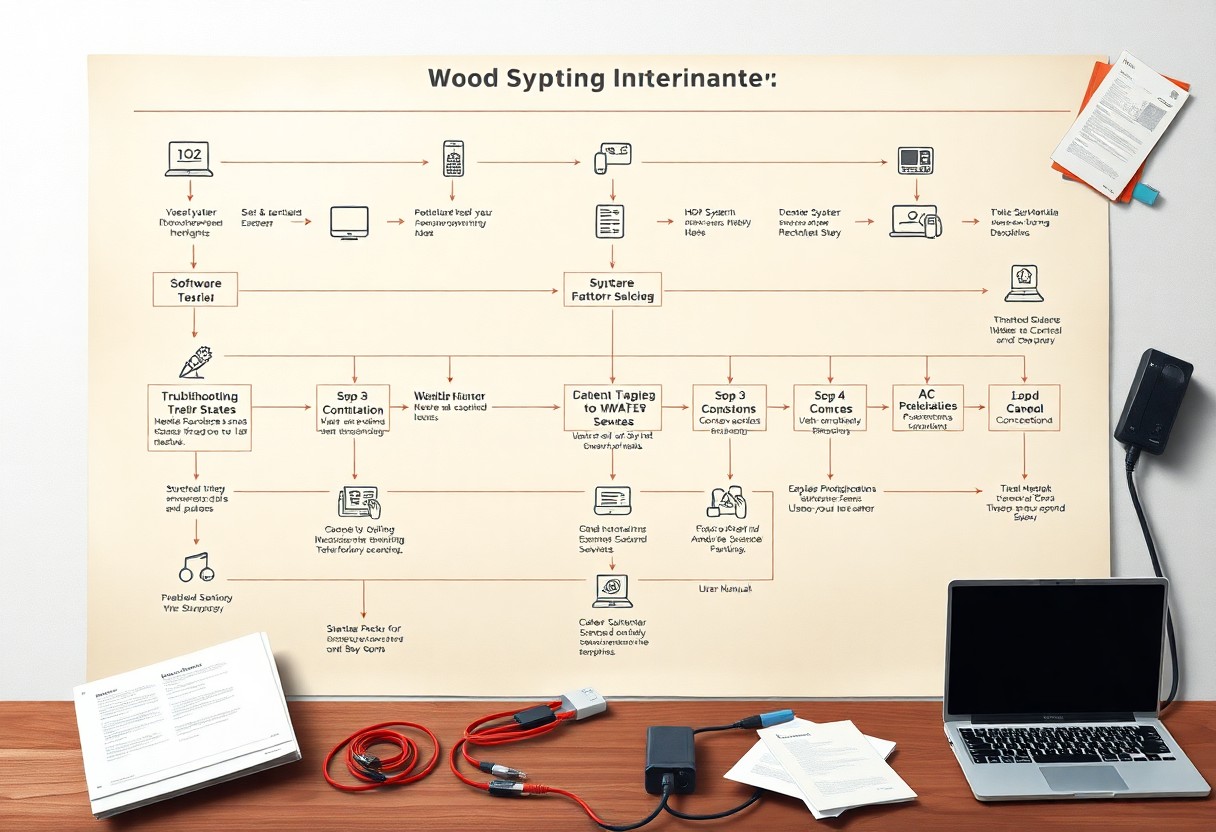
Even the best system integrations can encounter challenges. When issues arise, it’s important to have a methodical approach for troubleshooting. Begin by documenting symptoms and behaviors observed within the system. For more detailed guidance, check out these Strategies for Seamless Tech Integration.
Identifying Problems
Focus on isolating the root cause of the problem by examining logs, error messages, and user reports. Utilize monitoring tools that can help you detect anomalies and performance bottlenecks, allowing for quick identification of the underlying issues affecting your system integrations.
Effective Solutions
Once you’ve identified the issue, implementing effective solutions requires a structured process. Start with a thorough analysis of the problem to determine if it’s a configuration error, a compatibility issue, or a network-related concern. Mitigate risks by applying tested fixes and employing rollback strategies for minimal disruption.
For effective solutions, prioritize communication with stakeholders during problem resolution. Keeping everyone informed can alleviate frustration and foster collaboration. You might also consider creating a dedicated team for responding to specific issues, ensuring a swift resolution. Additionally, invest in post-incident reviews to identify lessons learned and enhance the integration process moving forward. Adopting iterative testing practices will ensure that your integrations perform reliably, minimizing the potential for future problems.
Future Trends in System Integration
The landscape of system integration is evolving rapidly, with innovations significantly shaping how businesses connect their operations. Adopting cloud-based solutions and embracing API-centric architectures will streamline processes, boost agility, and enhance collaboration. Furthermore, as organizations seek to harness data effectively, the integration of artificial intelligence and machine learning into these systems is expected to become standard practice, allowing for smarter decision-making and improved outcomes.
Emerging Technologies
Emerging technologies are reshaping the integration landscape, especially with the rise of advanced analytics and blockchain. As you explore these innovations, consider IoT integrations that enable real-time data exchange across devices, paving the way for smarter ecosystems. The fusion of these technologies not only enhances operational efficiency but also fosters unprecedented collaboration opportunities.
Preparing for Changes
Being adaptable is key in successfully navigating the transformations of system integration. You need to monitor industry trends and be ready to pivot your integration strategy. Engaging with stakeholders and continuously upskilling your team can smooth the transition, making it easier to embrace new technologies as they emerge.
To effectively prepare for these changes, conduct regular assessments of your existing systems and integration processes. Identify areas where emerging technologies can be adopted and prioritize training for your team to equip them with the necessary skills. By establishing a culture of adaptability, you can ensure your organization is not only ready for current trends but also resilient in the face of future disruptions. Consider documenting your integration journey and lessons learned to serve as a roadmap for others in your organization.
Conclusion
To wrap up, implementing seamless system integrations can significantly enhance your business operations. By following the outlined steps and leveraging effective tools, you can achieve a smoother workflow and better data management. Don’t forget to check out these 5 Best Practices for Systems Integration for additional insights. Embrace the integration journey, and watch your systems work harmoniously together.
FAQ
Q: What are the first steps to take when planning system integrations?
A: Begin by assessing the current systems and identifying integration needs. Create a detailed list of functionalities required and the data flow between systems, ensuring all stakeholders are on the same page.
Q: How can teams ensure data accuracy during the integration process?
A: Implement data validation techniques before and after integration. Utilize automated tools to check for inconsistencies and develop protocols for ongoing data accuracy post-integration.
Q: What testing methods should be implemented for a new system integration?
A: Employ unit testing, integration testing, and user acceptance testing (UAT) throughout different stages of the integration process. This guarantees that each component functions correctly and the overall system behaves as expected.
Q: How do we handle potential downtime during system integration?
A: Plan integrations during off-peak hours and utilize a phased approach. This minimizes disruption, allowing one part of the system to function while another is integrated, reducing total downtime.
Q: What role does documentation play in system integration?
A: Comprehensive documentation is important for tracking configurations, processes, and workflows. It serves as a reference for troubleshooting, training new team members, and ensuring compliance throughout the integration lifecycle.