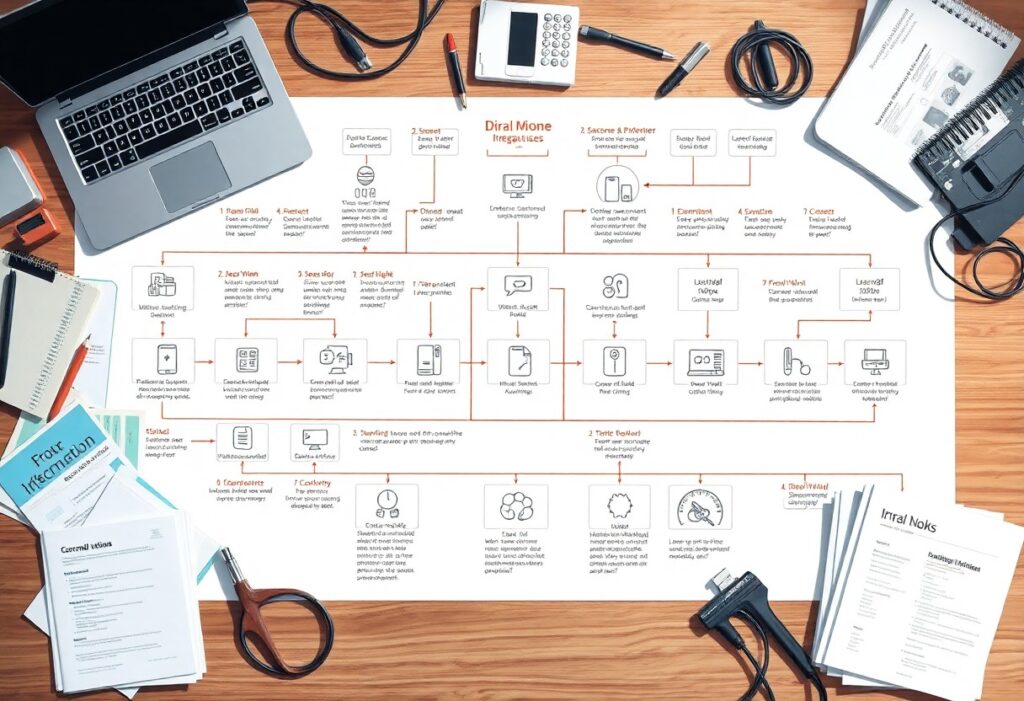
Just unlock the potential of your business with effective data analytics! In this guide, you’ll learn how to transform raw data into actionable insights that can drive smarter decisions and elevate your strategy. By focusing on the right metrics, you’ll uncover opportunities for growth and enhance your decision-making process. Get ready to empower yourself with the tools necessary to harness data-driven success.

Key Takeaways:
- Identify key performance indicators (KPIs) relevant to business goals.
- Utilize data visualization tools to enhance understanding of complex datasets.
- Implement a systematic approach for data collection and analysis.
- Encourage cross-departmental collaboration for a holistic view of data insights.
- Continuously review and refine analytics processes to adapt to changing business needs.
Understanding Actionable Data Analytics
Actionable data analytics transforms raw data into tangible insights that drive your business decisions. It goes beyond merely presenting numbers, providing you with specific information that you can implement to improve operations, enhance customer experiences, and increase profitability. By focusing on what truly matters, you can align your strategies with outcomes that make a difference.
What Is Actionable Data?
Actionable data refers to information that yields clear, direct recommendations for your business operations. Unlike data that remains static or abstract, actionable data gives you the ability to make informed decisions, allowing you to pinpoint opportunities for growth or areas needing improvement. This kind of data is often derived from trends, interactions, and patterns that emerge over time.
Importance of Data Analytics in Business
Data analytics plays a significant role in driving informed decision-making within your business. With approximately 68% of organizations leveraging data analytics, you gain a competitive edge by using metrics to inform your strategies. By understanding customer behavior, market trends, and internal efficiencies, you can make decisions that lead to increased sales, enhanced productivity, and improved customer satisfaction.
Moreover, gaining insights through data analytics can transform your operations. For example, a retail company that analyzed purchase patterns found that a specific product was often bought alongside another. With this knowledge, they adjusted their marketing strategy to promote bundled sales, resulting in a 25% increase in revenue from that product category. Your ability to harness similar insights can ultimately determine your success and guide your business towards sustainable growth.
How-To Steps for Analyzing Actionable Data
Analyzing actionable data involves a structured approach that can greatly enhance your decision-making processes. Start by breaking down your goals into specific metrics, then gather data that aligns with those objectives. For a deeper understanding of how data can shape marketing strategies, explore Marketing Data Analytics: Smarter Decisions with Data.
Identify Your Business Goals
Clarifying your business objectives is the foundation of effective data analysis. Are you aiming to increase sales, enhance customer engagement, or improve operational efficiency? By pinpointing these goals, you can tailor your data collection and analysis efforts to extract the most relevant insights that drive success.
Select the Right Data Sources
Your choice of data sources plays a pivotal role in the accuracy and relevance of your analysis. Consider diverse sources such as customer surveys, social media metrics, and sales data. Each source brings distinct insights that enrich your understanding of market trends and customer behaviors, ultimately informing your strategy.
Selecting the right data sources helps ensure you’re gathering comprehensive and relevant information. For instance, analyzing customer feedback through surveys can provide insights into satisfaction levels, while social media data reveals engagement trends. Cross-referencing these sources can uncover patterns that single data sets might miss, allowing you to craft more effective strategies. Predictably, a mix of quantitative data from sales figures and qualitative insights from customer feedback enables a well-rounded view of your business’s performance.
Tips for Effective Data Collection
Effective data collection is necessary for making informed business decisions. Focus on these key strategies:
- Define your objectives clearly to guide your data collection.
- Use appropriate methods like surveys and analytics tools for accuracy.
- Engage your team for insights to boost data quality.
- Implement automation to streamline data gathering.
Knowing this will empower you to harness insights effectively. For more information, check out How Businesses are Leveraging Data Analytics to Make Smarter Decisions.
Choosing the Right Tools
Selecting the appropriate tools for data collection can optimize your efforts significantly. Consider using platforms that integrate well with your existing systems and offer user-friendly interfaces. Tools like Google Analytics or Tableau provide robust data visualization options, allowing you to interpret complex datasets without a steep learning curve.
Ensuring Data Quality
Data quality directly impacts the reliability of your insights. Implement regular checks and validation processes to maintain accuracy. Establish clear protocols for data entry and use software that minimizes human error. A consistent review of your data sources helps in identifying discrepancies that could skew your analysis.
Ensuring data quality involves not only verifying the accuracy of your data inputs but also regularly assessing the relevance of the information collected. Utilize automated data cleansing tools to reduce errors and discrepancies. Furthermore, train your team on best practices for data entry and maintenance, as a well-informed staff plays a key role in preserving data integrity. These steps ensure that you base your decisions on trustworthy and actionable information.

Key Factors in Data Interpretation
Effective data interpretation hinges on understanding several key factors that influence your decisions. Focus on the following aspects:
- Context of the data
- Correlations and relationships
- Variability and consistency
- Bias and limitations
Paying attention to these key factors ensures that you draw accurate conclusions from your data. Recognizing the impact of these elements can dramatically enhance the quality of your business insights.
Recognizing Patterns and Trends
Your ability to recognize patterns and trends within data sets is necessary for making informed decisions. By analyzing historical data, you can pinpoint recurring behaviors and anticipate future developments. Utilizing tools like regression analysis and time series forecasting can amplify your insights, leading to more proactive strategies. This proactive approach enables you to tailor your offerings and optimize your operations according to projected market changes.
Considering External Influences
Understanding external influences is vital for accurate data interpretation. Factors such as economic conditions, market trends, and regulatory changes play a significant role in shaping your data landscape. Ignoring these elements can lead to misguided conclusions and strategies. For instance, a sudden economic downturn can skew sales data, impacting your overall assessment of business performance.
Recognizing external influences requires a holistic approach to data analysis that incorporates both internal metrics and external factors. You might consider analyzing competitors, customer sentiment, and global events that can shift market dynamics. For example, during a pandemic, consumer buying behavior changes dramatically, necessitating adaptations in your sales strategy. Integrating these broader context factors will enhance the relevance and accuracy of your data interpretations.

Making Smarter Business Decisions
Effective decision-making hinges on your ability to leverage data insights for strategic advantage. By integrating analytics into your processes, you can identify trends and patterns that inform your choices, enabling a more responsive and agile business model. Data-driven decisions often lead to increased efficiency and improved outcomes, setting the foundation for sustainable growth.
Turning Data Insights into Action
To translate insights into actionable strategies, prioritize the most impactful findings from your analytics. Utilize visualization tools to create clear representations of data, allowing you to quickly identify areas that require intervention. Establish key performance indicators (KPIs) to measure outcomes and ensure your actions align with your overall business goals.
Communicating Findings to Stakeholders
Effectively conveying your data insights to stakeholders is necessary for garnering support and understanding. Tailor your messaging to suit the audience, emphasizing how findings directly relate to their interests and objectives. Utilize storytelling techniques to make data relatable and actionable, fostering a collaborative environment that drives results.
Engaging stakeholders with your data findings involves more than just sharing numbers. Use visuals like charts and infographics to simplify complex information and highlight trends. For example, when presenting a sales report, showcase not just the figures, but also insights on customer behavior and future projections. Tailoring your approach depending on whether you’re speaking to executives or frontline staff ensures that each group comprehends the relevance of the insights. This clarity enhances decision-making and encourages collective ownership of business strategies.
Best Practices for Continuous Data Analysis
Implementing best practices for continuous data analysis ensures that your business stays ahead of trends and remains responsive to market shifts. This involves establishing a routine of data evaluation and integrating learnings into your strategic framework, which allows you to pivot quickly when necessary. Engaging your team in regular discussions about data can cultivate a culture of innovation and adaptability, making data-driven decision-making second nature.
Setting Up Regular Review Processes
Creating a schedule for regular data review processes is imperative for maintaining accuracy and relevance. Consider implementing weekly or monthly meetings dedicated to analyzing the latest data trends and discussing their implications. This consistent touchpoint helps your team stay aligned with evolving business objectives and supports timely adjustments in strategy when necessary.
Staying Adaptable to Change
Adapting to change is vital in the ever-evolving business landscape. You should regularly revisit your data analysis strategies and tools to ensure their effectiveness in a shifting environment. Embrace an open-minded stance toward feedback, leveraging insights from your team to refine data approaches and remain proactive in addressing emerging challenges.
Your ability to stay adaptable hinges on the willingness to embrace change as an opportunity rather than a setback. For instance, companies that continually refine their algorithms based on user behavior patterns report significantly improved customer retention rates. Regularly soliciting feedback and integrating new data sources not only empowers your decision-making but also fosters innovation in your strategy, ensuring you never fall behind in a competitive market.
To wrap up
So, as you probe actionable data analytics, keep in mind that it empowers you to make informed business decisions that drive success. By understanding your data, applying key analysis techniques, and utilizing smart tools, you can transform insights into impactful strategies. Embrace this guide as a roadmap that helps you leverage data to enhance your business outcomes. With practice and persistence, you’ll be well on your way to making decisions that truly matter for your growth.
FAQ
Q: What is actionable data analytics?
A: Actionable data analytics refers to the process of interpreting data to derive insights that can directly inform decision-making in a business context. It focuses on identifying trends, patterns, and opportunities that enable companies to take specific, informed actions.
Q: How can businesses collect actionable data?
A: Businesses can collect actionable data through various methods such as customer surveys, web analytics, CRM systems, social media insights, and market research. Integrating data from multiple sources enhances the quality and relevance of the insights derived.
Q: What tools are recommended for analyzing data effectively?
A: Recommended tools for data analysis include Google Analytics, Tableau, Microsoft Power BI, and SQL-based platforms. These tools help visualize data trends and facilitate deeper analysis, making it easier for businesses to draw actionable conclusions.
Q: How often should businesses review their data analytics?
A: Businesses should conduct regular reviews of their data analytics-ideally on a monthly or quarterly basis. This frequency allows companies to stay updated on market trends, customer preferences, and operational efficiencies, enabling timely adjustment of strategies.
Q: What common mistakes should businesses avoid in data analysis?
A: Common mistakes include focusing on irrelevant data, neglecting to segment data properly, failing to define clear objectives for analysis, and overlooking the importance of data quality. Avoiding these pitfalls enhances the effectiveness of data-driven decisions.