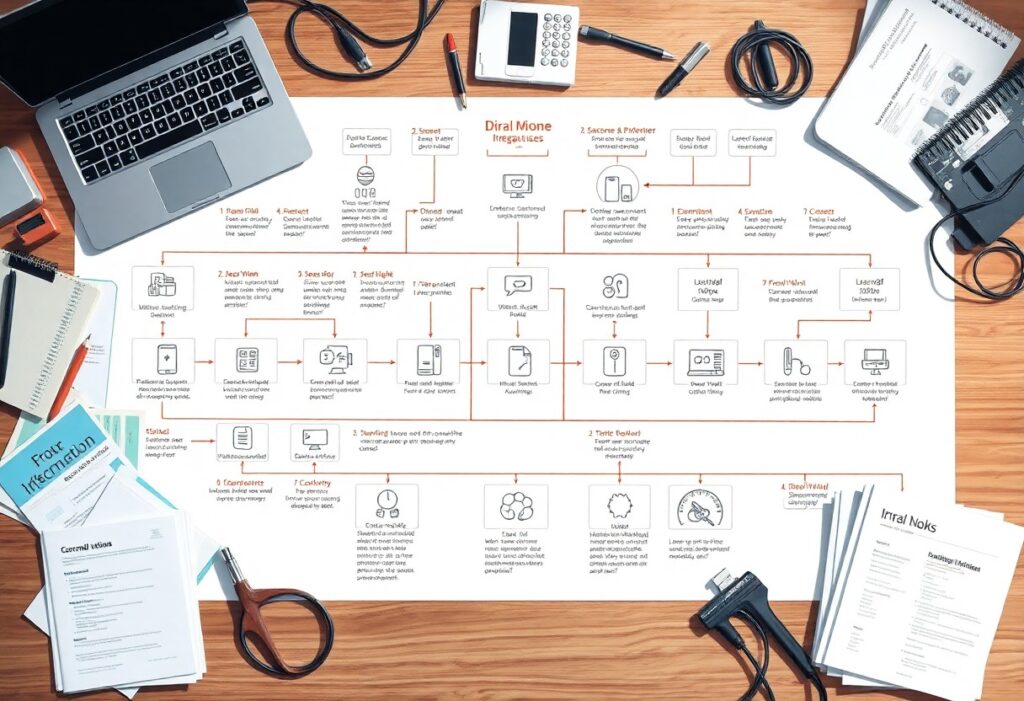
Quality software development comes from well-structured processes that ensure consistency and efficiency. In this guide, you’ll learn how to create reliable workflows that minimize errors and enhance collaboration among your team members. By implementing effective quality assurance strategies, you can improve your product’s reliability and user satisfaction. Join us as you discover actionable techniques to streamline your development process and elevate your software quality to new heights!
Key Takeaways:
- Establish clear requirements and specifications before development begins.
- Implement automated testing at various stages to catch defects early.
- Encourage continuous integration and delivery for faster feedback cycles.
- Promote collaboration between developers, testers, and stakeholders.
- Utilize metrics to assess quality and make data-driven improvements.
Understanding Reliable Software Development
Reliable software development hinges on consistent processes that yield predictable and high-quality outcomes. Such processes minimize errors, reduce rework, and enhance overall productivity, allowing teams to deliver projects on time and within budget. By embedding reliability into your development practices, you foster a culture of excellence that benefits both team members and stakeholders alike.
What is a Reliable Process?
A reliable process is a systematic approach to software development that ensures predictable results through defined steps, practices, and standards. It encompasses clear project planning, thorough documentation, regular testing, and active monitoring. This consistency leads to fewer surprises and increases the likelihood of meeting project goals effectively.
Key Benefits of Reliability
Establishing a reliable process brings numerous advantages, including enhanced team collaboration, improved product quality, and increased customer satisfaction. By minimizing errors, you’ll save resources and time, allowing for a more efficient use of your budget. Also, transparent workflows make for better stakeholder communication, strengthening trust and engagement.
Among the key benefits, one of the most impactful is the reduction of post-release defects. Statistics show that reliable processes can decrease bug rates by up to 40%, leading to a more stable product. This not only boosts your team’s morale but also enhances your brand reputation. Moreover, clients appreciate timely deliveries and superior quality, often resulting in repeat business and referrals. The investment in reliability pays off in the long term, driving growth and sustainability for your organization.
How-To Identify Quality Assurance Factors
To ensure a robust quality assurance framework, you must pinpoint critical quality assurance factors. These factors include defect density, test coverage, customer satisfaction, and process compliance. By assessing these elements, you can streamline your processes and enhance product reliability. Recognizing these factors empowers you to maintain attention on quality throughout the software development lifecycle.
- defect density
- test coverage
- customer satisfaction
- process compliance
Essential Quality Metrics
Establishing quality metrics is vital for quantifying your software’s performance. Focus on metrics like mean time to failure, test pass rate, and customer reported issues. These data points provide insights into areas that may need improvement and help track your team’s progress. Leverage these metrics regularly to drive continuous enhancements.
Risk Assessment Techniques
Implementing effective risk assessment techniques is imperative for identifying vulnerabilities within your project. You can utilize methods like failure mode and effects analysis (FMEA), SWOT analysis, and risk matrices. Each technique reveals different aspects of potential risks, enabling you to prioritize actions to mitigate them. Recognizing these risks early allows you to allocate resources more effectively.
For instance, employing FMEA helps you systematically evaluate potential failure points in your software, assessing their severity and likelihood. This structured approach not only highlights the risks but also aids in developing actionable strategies to address them. Meanwhile, a SWOT analysis reveals internal strengths and weaknesses, along with external opportunities and threats, painting a comprehensive picture of your project’s landscape. By combining these techniques, you equip yourself with a robust toolkit for effective risk management.

Tips for Implementing Best Practices
To enhance your software development processes, consider adopting a few key techniques. Prioritize communication among team members to ensure everyone is aligned. Implement iterative feedback loops that allow for continual improvement. Leverage automated tools to streamline workflows and minimize human error. Foster a collaborative environment where team members share knowledge openly. This will create a culture of quality that reinforces the importance of best practices.
- Prioritize communication
- Implement iterative feedback loops
- Leverage automated tools
- Foster a collaborative environment
Continuous Integration and Deployment
Adopting Continuous Integration (CI) and Continuous Deployment (CD) practices can significantly streamline your development process. Integrating code changes frequently allows you to detect errors early, while deploying these changes swiftly reduces the time between development and market delivery. You can also utilize tools like Jenkins and GitLab to automate these processes, ensuring that your software is always in a deployable state. This practice enhances team collaboration and builds a more responsive development culture.
Effective Testing Strategies
Your testing strategies will define the reliability of your software. Implement multi-tier testing that includes unit tests, integration tests, and end-to-end tests to cover all aspects of your system. Incorporate test-driven development (TDD) to ensure that tests are part of the design process. This approach not only catches issues early but also supports better code quality throughout the project’s lifecycle. Additionally, consider adopting performance testing to evaluate your software under various loads, ensuring it can handle real-world usage scenarios effectively.
To detail effective testing strategies further, understanding the specific conditions under which your software operates is important. Unit tests are important for verifying that individual functions work as expected, whereas integration tests ensure that different system components interact seamlessly. Employing performance testing allows you to identify bottlenecks under stress, thus revealing potential failure points. Automated testing frameworks such as Selenium and JUnit can significantly reduce manual testing efforts, providing quick feedback loops. With the right strategies in place, you will build robust and reliable software capable of meeting user demands.
How-To Foster a Quality Mindset
Embedding a quality mindset within your team requires consistent effort and engagement. Cultivating an environment where proactive quality control is encouraged leads to better outcomes. You should instill the belief that everyone is responsible for quality, not just the QA team. This involves regular discussions about quality expectations and the impact that quality has on overall success.
Team Collaboration Techniques
Effective collaboration techniques can significantly enhance your team’s quality mindset. You can implement daily stand-ups, code reviews, and paired programming to promote open communication. These practices facilitate knowledge sharing and accountability among team members, ultimately leading to higher quality outcomes.
Encouraging Feedback and Improvement
Encouraging a culture of feedback is imperative for continuous improvement. Establish regular feedback loops, such as retrospectives and peer reviews, enabling team members to voice concerns and suggestions. By fostering an open atmosphere where feedback is appreciated, you enhance team cohesion and drive quality advancements.
Feedback should not only focus on what went wrong but also celebrate successes. You can initiate anonymous surveys to collect honest insights about processes and performance, allowing team members to feel secure when voicing their opinions. A commitment to acting on this feedback enables iterative improvement and reinforces a shared accountability for the quality of your software products. This proactive approach advocates for collective growth and can lead to remarkable enhancements in both processes and final deliverables.

Key Tips for Monitoring Progress
To ensure effective software development processes, continuously monitor progress through established metrics and regular team check-ins. This proactive approach helps identify bottlenecks early and fosters accountability. Incorporate the following strategies:
- Set clear milestones to track advancement.
- Utilize project management tools for real-time updates.
- Encourage frequent communication across teams.
- Analyze performance metrics to gauge efficiency.
- Adjust timelines based on project complexity.
Thou can refine your process based on these best practices.
Tracking Software Quality
Monitoring software quality involves assessing both functional outcomes and performance metrics. Regularly conduct automated tests, user acceptance testing, and performance evaluations to capture a complete picture. By implementing consistent tracking methods, you can detect defects and deviations from standards early, minimizing costly fixes later.
Adjusting Processes Based on Feedback
Incorporating feedback loops into your software development practices allows for real-time adjustments. Constructive feedback from team members, stakeholders, and users can reveal inefficiencies in the process. Embrace this continuous improvement mindset, adapting workflow and technical approaches as necessary to boost productivity and product quality.
Adjusting processes based on feedback requires an agile mindset. Gather insights from retrospective meetings, user surveys, and performance analytics. For instance, if testing reveals recurrent issues in a certain area, focus on that aspect in your process. By iterating quickly and leveraging data, you’ll fine-tune your workflow. Empowered team members will feel heard and motivated to contribute, enhancing overall project success.

How-To Train Your Team for Success
Training your team effectively can significantly improve your software development processes. Begin by identifying the key competencies needed for quality assurance and ensure that every team member is aware of their responsibilities in delivering high-quality products. Tailored training programs should be established, promoting ongoing learning and adaptation to the ever-changing tech landscape.
Training Resources and Programs
Utilize a mix of online courses, workshops, and hands-on training to cater to varying learning styles. Access platforms like Coursera, Udacity, or industry-specific bootcamps that focus on quality assurance methodologies. Incorporate resources such as documentation, coding standards, and testing frameworks to create a comprehensive toolkit for your team.
Building a Culture of Quality
Creating a culture of quality involves fostering an environment where every team member understands the importance of quality assurance in their role. Encourage open communication and collaboration, allowing team members to share successes and setbacks related to quality initiatives. When teams share ownership of quality, they are more motivated to uphold standards and pursue continuous improvement.
Implementing a culture of quality is about embedding quality principles into everyday practices. For example, consider establishing regular quality retrospectives where team members review recent projects to discuss what went well and what could be improved. This approach not only highlights the significance of quality but also strengthens team bonds and accountability. Celebrate achievements and promote an environment where quality is seen as everyone’s responsibility, resulting in fewer defects and higher customer satisfaction.
To wrap up
Hence, by implementing the strategies outlined in this guide, you can significantly enhance your software development processes. Focus on fostering effective communication, continuous testing, and iterative improvement to ensure quality at every stage. Embrace these practices to build confidence in your team’s ability to deliver reliable products. Your commitment to quality assurance will not only benefit your projects but also empower your team and satisfy your users.
FAQ
Q: What are the key principles for engineering reliable software development processes?
A: Key principles include establishing clear requirements, implementing version control, utilizing automated testing, fostering collaboration among team members, and advocating for continuous integration and delivery practices.
Q: How important is communication in the software development process?
A: Effective communication is crucial for understanding requirements, addressing issues promptly, and ensuring that all team members are aligned with project goals. Regular meetings and clear documentation can enhance this communication.
Q: What role does automated testing play in quality assurance?
A: Automated testing helps to identify bugs early in the development cycle, reduces the time and effort of manual testing, and ensures that new code does not break existing functionality, leading to higher software quality.
Q: How can teams ensure they are following best practices in software development?
A: Teams can adhere to best practices by conducting regular code reviews, documenting processes, adopting coding standards, and participating in ongoing training to keep skills updated with current technologies and methodologies.
Q: What are the benefits of continuous integration and delivery in a software project?
A: Continuous integration and delivery enable teams to integrate code changes frequently, allowing for quicker detection of issues, faster feedback on development efforts, and a more streamlined process for deploying updates to users.