
It’s necessary to understand how SEO and automation can work together for your business. By following these 8 powerful steps, you can streamline your processes and achieve consistent growth. You’ll learn how to optimize your efforts, enhance your online presence, and ultimately drive more traffic. For more insights, check out this article on SEO Workflow Automation From Research to Ranking With AI. Let’s examine the steps that will transform your approach!

Key Takeaways:
- Integrate SEO tools with automation platforms to streamline keyword research and performance tracking.
- Use automated content generation tools to enhance content creation while maintaining SEO standards.
- Implement automated reports to regularly assess SEO metrics and adapt strategies accordingly.
- Leverage automation for link-building outreach to increase efficiency and reach a wider audience.
- Automate social media sharing of optimized content to enhance visibility and drive traffic consistently.
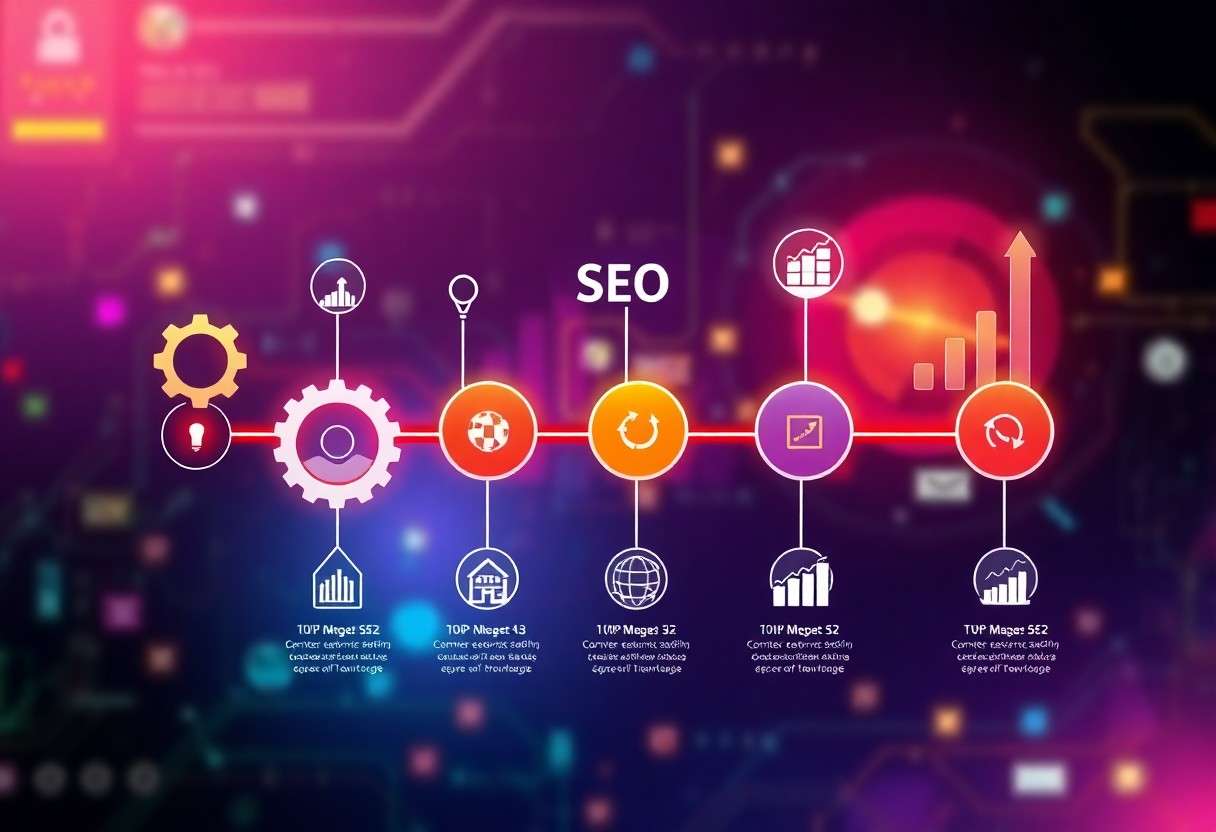
Understanding SEO and Automation
To harness the full potential of your digital strategy, you must grasp the fundamentals of both SEO and automation. These two elements, when integrated effectively, can amplify your online presence and streamline your processes for sustained growth.
What is SEO?
SEO, or Search Engine Optimization, is the practice of enhancing your website to improve its visibility in search engine results. This involves various techniques such as keyword research, on-page optimization, and link building. The ultimate goal is to attract more organic traffic, thereby increasing your chances of conversions and sales.
What is Automation?
Automation refers to using technology to perform tasks with minimal human intervention. This can include automating social media posts, email marketing, and even SEO tasks like rank tracking and reporting. The efficiency gained through automation allows you to focus on strategy and growth while the repetitive tasks are handled automatically.
For instance, using tools like Zapier or HubSpot can significantly reduce the time you spend on manual processes. You can automate alerts for SEO performance metrics, ensuring you receive instant updates on rankings and traffic changes. Studies show that businesses that integrate automation can boost productivity by up to 30%, freeing your team to concentrate on high-impact activities.
The Importance of Combining SEO and Automation
Integrating SEO with automation can transform your marketing efforts, ensuring efficiency while maximizing visibility. By combining these elements, you not only enhance your search rankings but also reduce time spent on repetitive tasks. This synergy allows you to focus more on strategic initiatives that drive consistent growth, such as content development and audience engagement.
Benefits of Integration
The integration of SEO and automation offers significant advantages, such as increased efficiency, improved accuracy in data analysis, and the ability to scale your efforts seamlessly. When you automate routine SEO tasks, you can devote more time to high-impact strategies like optimizing content and identifying emerging trends, ultimately enhancing your overall performance.
Common Misconceptions
Many believe that SEO is purely a manual process requiring constant oversight and intervention. This viewpoint overlooks how automation can handle foundational tasks such as monitoring rankings, analyzing traffic data, and updating SEO protocols without losing strategic focus. Instead, automation serves as a powerful ally, enhancing your SEO efforts rather than replacing them.
Another common misconception is that automation diminishes the quality of SEO work. In reality, automated tools are designed to support your strategies by providing valuable insights and data. By automating tedious functions, you can allocate resources to more creative aspects of SEO, leading to innovative content and campaigns. Automation complements your skills, allowing you to maintain a high standard while working more efficiently.
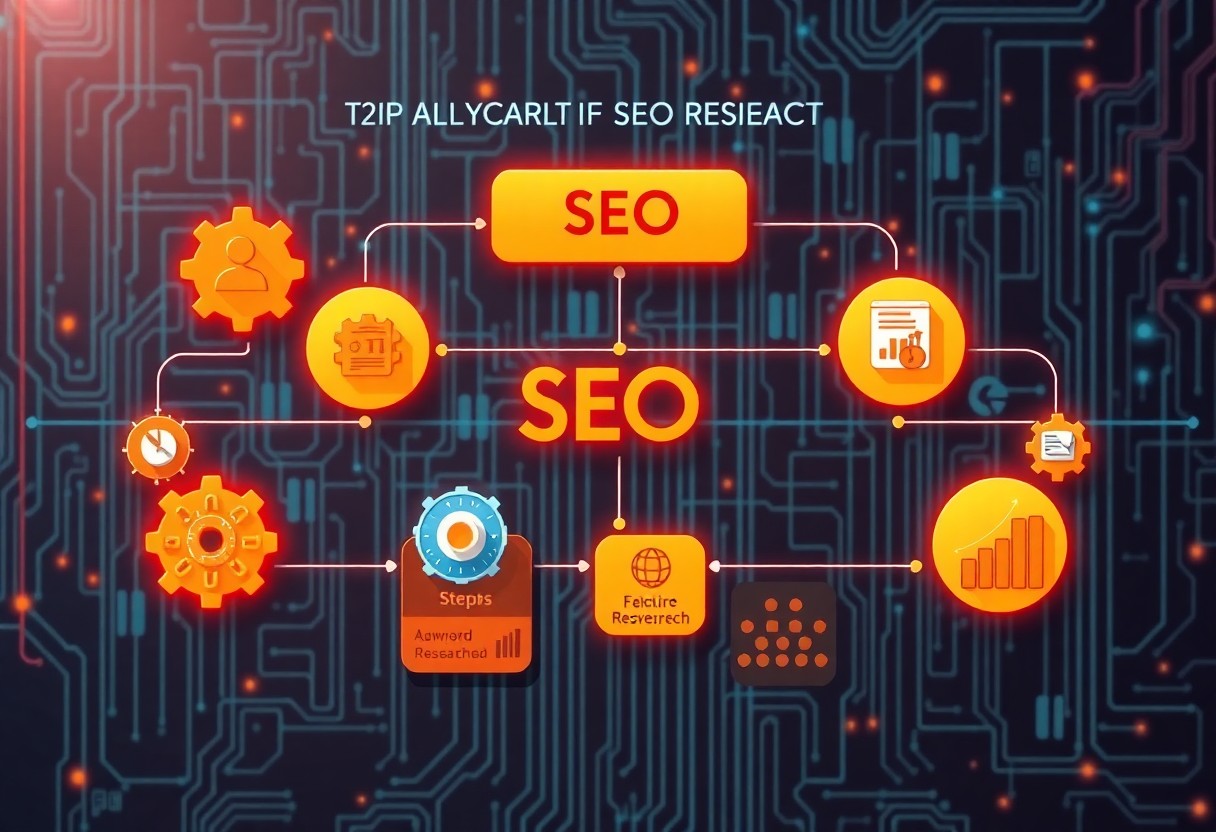
Step 1: Conducting Keyword Research
Understanding Your Audience
To initiate keyword research, focus on understanding your audience’s needs. Utilize tools like Google Keyword Planner or Ahrefs, which can help identify popular search terms within your niche. For instance, if you’re in the fitness industry, specific phrases like “home workout routines” or “healthy meal prep ideas” can guide your content creation. By aligning your keywords with what your audience is searching for, you can enhance your site’s visibility and attract targeted traffic.
Long-Tail Keywords
Incorporate long-tail keywords to capture more specific search intent. These phrases usually have lower search volume but higher conversion rates. For example, rather than targeting “shoes,” using “best running shoes for flat feet” can attract a specific, engaged audience. This strategy not only improves SEO but also supports your automation efforts by focusing on narrower topics for your content.
Evaluating Keyword Competitiveness
Assess the competitiveness of your chosen keywords to ensure they’re realistic targets. Analyze your competitors’ rankings and their keyword usage. Tools like SEMrush can provide insights into how difficult it might be to rank for specific terms. By selecting keywords with manageable competition, you can effectively leverage your resources toward achieving consistent growth.
Explore more on this topic in the 8 steps to create an effective SEO strategy – DailyStory and elevate your keyword research process further.
Step 2: Optimizing Content with Automation Tools
Integrating automation tools into your content optimization process streamlines your efforts, enhancing efficiency and ensuring consistency. By automating repetitive tasks, you free up valuable time to focus on creativity and strategy. Utilizing the right tools can help analyze your content’s performance, generate insights, and drive improvements in engagement and ranking.
Content Generation
Leverage AI-driven content generation tools to produce high-quality articles, blog posts, or social media updates tailored to your audience. These tools can analyze trending topics and keywords, ensuring your content aligns with what your target market is searching for, ultimately increasing your online visibility.
Content Scheduling
Automating your content scheduling allows you to strategically plan and distribute your posts for maximum impact. Tools like Buffer or Hootsuite enable you to set specific times for publishing, optimizing reach and engagement by targeting your audience when they are most active.
Effective content scheduling is about more than just timing; it’s imperative for maintaining a consistent presence across platforms. By analyzing your audience’s engagement patterns, you can schedule posts in advance, ensuring that you capitalize on peak traffic times. For instance, studies show that posting between 9 AM and 12 PM on weekdays often yields higher interactions. Automation tools can also help you manage a content calendar, keeping track of different campaigns and seasonal topics, minimizing overwhelm, and maximizing strategic impacts on your SEO growth.
Step 3: Utilizing Analytics for Continuous Improvement
Analytics provide the roadmap for your SEO strategy, highlighting areas for growth and optimization. Utilizing tools like Google Analytics or SEMrush allows you to track metrics associated with your SEO efforts, ensuring you can adapt quickly. For a deeper understanding of this process, check out How to Scale SEO with 8 Proven Steps.
Tracking Your Progress
Regularly monitor your organic traffic, bounce rates, and conversion rates to gauge the effectiveness of your SEO initiatives. Utilize dashboards to visualize this data for easier comprehension and identification of trends.
Making Data-Driven Decisions
Your SEO strategy should be informed by concrete data rather than guesswork. Analyze key performance indicators (KPIs) such as keyword ranking changes, click-through rates, and user engagement metrics. This way, you can pivot your strategies based on what truly resonates with your audience.
Focusing on KPIs allows you to uncover insights that directly impact your SEO performance. For instance, if a specific keyword brings in significant traffic but has a low conversion rate, it might indicate a disconnect between user intent and your content’s offerings. Adjusting on-page elements or augmenting your calls-to-action could enhance conversions. Leveraging A/B testing on different content formats can further refine your approach, ensuring your decisions are consistently backed by data.
Step 4: Automating Backlink Building
Streamlined Outreach
Automating your backlink building can significantly enhance your SEO strategy. Tools like Ahrefs and BuzzStream help you identify relevant websites and manage outreach campaigns efficiently. For instance, using email automation to send personalized pitches can skyrocket your response rate. In fact, a well-timed automated follow-up email can increase engagement by up to 50%.
Leveraging Content Syndication
Consider utilizing content syndication platforms like Medium or LinkedIn Pulse. By sharing your articles on these sites, you create more opportunities for backlinks as your audience expands. This method not only boosts your visibility but can improve your site’s domain authority over time.
Utilizing Outreach Templates
Creating customizable outreach templates can save you countless hours. Base them on successful pitches you’ve sent in the past, and personalize them with specific details about the recipient’s site. This simple tactic can help you build connections and secure high-quality backlinks that positively impact your search rankings.
Summing up
As you explore these 8 powerful steps to combine SEO and automation, you’ll find that implementing these strategies can pave the way for consistent growth in your online presence. By utilizing automation tools and aligning your SEO efforts, you can enhance efficiency and effectiveness in your marketing approach. Embrace these techniques to transform your workflow, allowing you to focus more on creativity and innovation while your systems work seamlessly in the background. This balanced approach ensures you stay competitive and visible in a crowded digital landscape.
FAQ
Q: What are the main components of combining SEO and automation?
A: The primary components include keyword research, content optimization, automated analytics, backlink building, and performance tracking. These elements work together to enhance visibility and drive consistent traffic to your website.
Q: How can automation tools improve my SEO strategy?
A: Automation tools can streamline repetitive tasks such as keyword tracking, content updates, and performance monitoring. This mitigates human error, saves time, and allows for quicker adjustments based on real-time data.
Q: What role does content optimization play in SEO automation?
A: Content optimization is vital for ensuring that your website ranks well in search engines. By automating the optimization process, you can consistently update keywords, meta tags, and other on-page elements without manual intervention.
Q: Can automated analytics provide actionable insights for my SEO efforts?
A: Yes, automated analytics can deliver real-time performance data and trends. By analyzing this data, you can identify what is working, discover areas for improvement, and adjust your strategy accordingly to enhance growth.
Q: Is it possible to automate backlink building effectively?
A: While automation can assist in identifying potential backlink opportunities and tracking your link profile, it’s important to combine these efforts with manual outreach and relationship-building to ensure quality and relevance.