Just by integrating AI tools into your web design process, you can transform your creative workflow! These innovative technologies not only enhance efficiency but also bring a fresh perspective to your designs. In this post, you’ll discover five creative steps that will help you leverage AI to elevate your website’s aesthetics and functionality. Get ready to unlock new possibilities in your web design journey!
Key Takeaways:
- Utilize AI for creating dynamic layout designs that adapt to user behavior and preferences.
- Incorporate AI-driven analytics to improve user experience by understanding navigation patterns.
- Leverage generative design tools to explore multiple design variations efficiently.
- Implement chatbots powered by AI to enhance customer interaction and support on websites.
- Use AI for personalized content recommendations, improving engagement and retention rates.
Understanding AI Tools in Web Design
Incorporating AI tools into your web design can significantly enhance productivity and creativity, allowing you to focus more on the artistic aspects of your project while AI handles routine tasks.
What are AI Tools?
AI tools in web design refer to software applications that leverage artificial intelligence to automate processes, optimize designs, and improve user experience. They can range from design assistants like Adobe Sensei to website builders such as Wix ADI, enabling you to create stunning visuals with minimal effort.
Benefits of Using AI in Web Design
Utilizing AI in web design offers numerous advantages, including faster design iterations, personalized user experiences, and data-driven insights. These tools analyze user behavior, allowing you to create more engaging interfaces that cater to your audience’s preferences, ultimately increasing conversion rates.
AI tools can significantly boost your design workflow by reducing time spent on monotonous tasks. For instance, automated layout generation means you can experiment with aesthetics quickly, while AI-driven analytics provide valuable feedback for optimizing your site. This combination allows you to create a more user-centric design while enhancing your creativity, as you can dedicate more time to crafting unique visual elements rather than getting bogged down by repetitive tasks. A survey indicated that companies using AI in design report a 30% increase in overall efficiency, showcasing how imperative these tools have become in modern web design.
Step 1: Embrace AI-Powered Layouts
AI-powered layouts can transform your design workflow, allowing you to quickly generate layouts that are not only visually appealing but also functionally sound. By leveraging algorithms that analyze successful designs, you can create structures that align with modern aesthetics and user expectations. This approach saves time and provides a strong foundation for your web projects, enabling you to focus on creativity rather than the tedious aspects of layout planning.
Creating Responsive Designs
In today’s multi-device world, responsive design is crucial. AI tools can automate the adjustment of design elements to fit different screen sizes and resolutions seamlessly. By utilizing AI-driven frameworks, your designs can automatically adapt to ensure optimal viewing experiences, making your site more accessible and keeping users engaged.
Optimizing User Experience
AI can help you enhance user experience (UX) by analyzing user interactions in real-time, allowing for personalized design adjustments. This leads to tailored content, improved navigation paths, and overall increased satisfaction. With AI analytics, you can identify which elements resonate most with your audience and adjust accordingly.
Employing AI for optimizing user experience means gathering insights on user behavior, such as click patterns and time spent on specific sections. For instance, tools like Google Analytics integrate AI to provide actionable insights, helping you customize interfaces and workflows. Using A/B testing powered by AI, you can quickly evaluate which design aspects yield better engagement rates, ensuring that your site continuously evolves to meet user needs efficiently.
Step 2: Enhance Creativity with AI-Generated Content
Utilizing AI-generated content can significantly boost your creativity in web design. By leveraging advanced algorithms, you can produce engaging copy and stunning visuals that resonate with your audience. Explore the possibilities of AI in crafting unique narratives and eye-catching designs to stay ahead in the competitive landscape. For more insights on AI and the future of web design : r/web_design, dive deep into community discussions.
Copywriting and Content Creation
AI tools can revolutionize your copywriting, generating relevant content quickly and efficiently. You can create compelling headlines, product descriptions, and blog posts tailored to your audience’s preferences. With AI assistance in content creation, you save time and enhance the quality of your messaging while exploring innovative styles that might not have emerged under traditional methods.
Imagery and Visual Design
With respect to imagery and visual design, AI can help you elevate aesthetics through automated systems that analyze market trends and user behavior. By generating unique graphics and optimizing compositions for engagement, you not only save time but also ensure that your visuals resonate effectively. AI tools can analyze millions of design permutations, suggesting enhancements that align with current design preferences, making your work not only faster but also more impactful.
AI tools analyze user engagement data to offer visual compositions that appeal to specific target demographics. With capabilities to generate diverse imagery based on trending themes, these tools can assist in crafting a cohesive and striking visual identity for your website. You might find elements that reflect contemporary design trends while allowing for personal flair-resulting in a unique blend that captivates visitors and enhances their experience.
Step 3: Personalize User Experiences
Enhancing user experiences is key to retaining visitors, and personalization is a powerful way to achieve this. By leveraging AI tools, you can create intuitive interfaces that adapt to user behavior, preferences, and demographics, ensuring that each interaction feels tailored and relevant. This approach not only boosts engagement but also increases conversion rates, as users are more likely to interact with content that resonates with them.
AI-Driven User Insights
Utilizing AI for user insights enables you to gather and analyze vast amounts of data to uncover patterns in user behavior. By implementing AI analytics tools, you can track how users navigate through your site, the types of content they engage with, and their preferences, allowing you to make informed decisions that enhance the overall user journey.
Dynamic Content Adaptation
Dynamic content adaptation allows web designs to change based on real-time user interactions, preferences, and behaviors. This capability ensures that every visitor sees the most relevant content, increasing user satisfaction and engagement rates. By implementing this technology, you transform a static website into a responsive experience that feels personalized for each user.
Imagine a user landing on your site and immediately seeing tailored banners, product recommendations, and content that reflects their interests. By integrating AI-driven algorithms, you can analyze data such as browsing history and previous interactions to deliver content dynamically, ensuring users receive the most pertinent information. This not only enhances their experience but significantly improves engagement, as studies show personalized experiences can boost conversion rates by up to 70%. Implementing dynamic content adaptation positions your brand as empathic to user needs, creating a lasting impression and encouraging repeat visits.
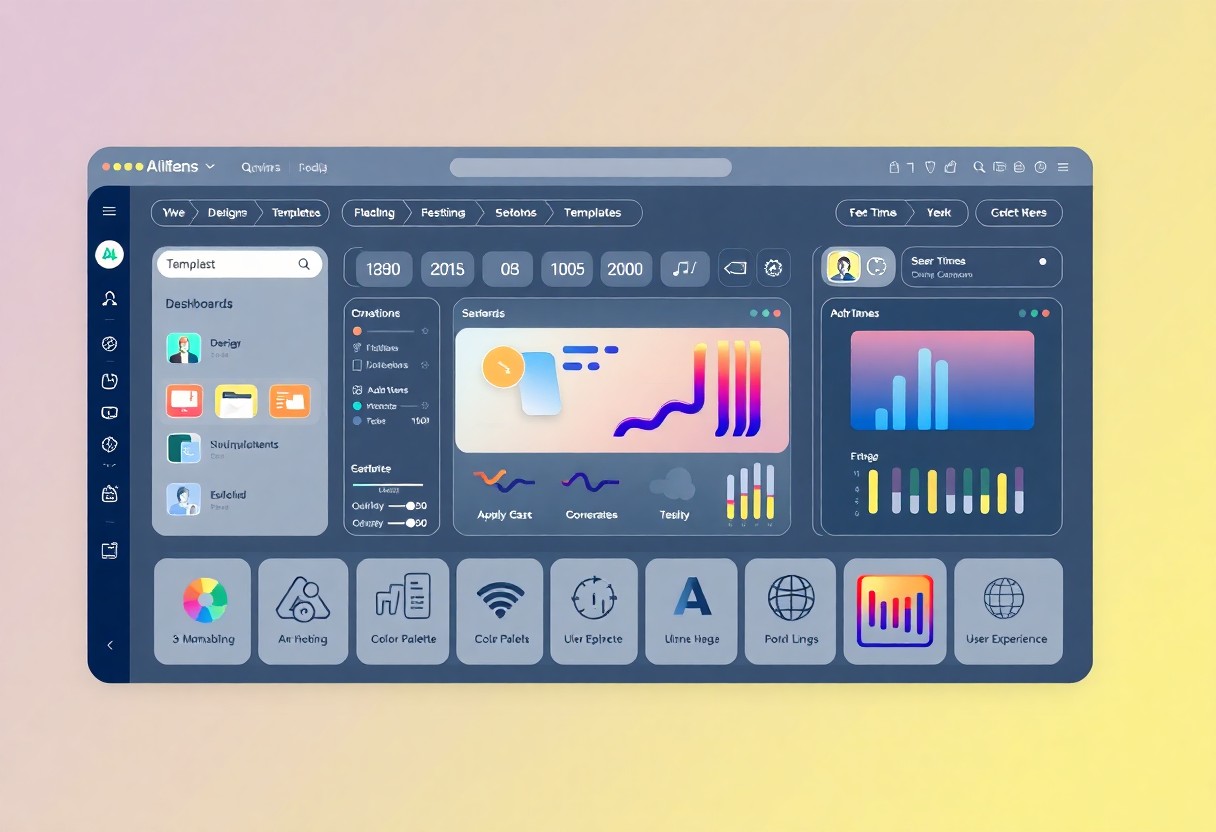
Step 4: Streamline Workflow with Automation
Automation is a game-changer in web design, allowing you to focus on creativity while repetitive tasks are handled seamlessly. Utilizing AI tools can reduce your workload significantly, enhancing your efficiency. For insights on how to integrate such features into your process, check out 5 ways AI can enhance your creative process.
Design Automation Tools
With design automation tools, you can quickly implement changes and produce design elements without starting from scratch. Tools like Adobe Sensei leverage AI to suggest layout adjustments, color schemes, and even typography, making the process smoother and faster. This means you can adapt your design in real-time based on client feedback or user testing results.
Collaborative Platforms
Collaborative platforms enhance team coordination, even remotely. Utilizing tools like Figma or Adobe XD, you can work with team members in real-time, streamlining the design review process. Such platforms enable instant feedback and version control, ensuring that everyone is aligned and on the same page.
These collaborative platforms eliminate communication barriers and foster creativity. By allowing multiple stakeholders to access and comment on designs concurrently, you significantly decrease the time spent on back-and-forth emails. Additionally, integration with project management tools enhances task tracking and ensures deadlines are met without missteps, ultimately leading to an efficient workflow and timely project delivery.
Step 5: Stay Ahead with AI Trends
Embracing AI trends is imperative for keeping your web design fresh and engaging. The digital landscape evolves rapidly, and understanding upcoming technologies enables you to implement innovative solutions. By proactively integrating new AI features, you set yourself apart from competitors while enhancing user experience on your sites.
Keeping Updated with Innovations
To stay at the forefront of AI advancements, subscribe to industry newsletters, follow thought leaders on social media, and participate in webinars. Resources like AI-focused blogs and forums provide valuable insights on emerging tools and techniques, ensuring you harness the latest innovations that can elevate your web design.
Experimenting with New Features
Diving into new AI features allows you to refine your design process and discover what resonates with your audience. Don’t hesitate to test tools that enhance user interactivity, such as chatbots or adaptive layouts. Utilizing A/B testing on your iterations can illustrate how these features impact user engagement, providing tangible benefits to your website’s performance.
Keeping an experimental mindset is vital. For instance, try incorporating tools like AI-driven analytics that predict user behavior or automated design platforms that allow for rapid prototyping. Start small; even minor tweaks can reveal significant shifts in user engagement. Examine the results closely and don’t shy away from abandoning features that don’t resonate, refining your approach based on real data. Engaging with new technologies not only opens up opportunities for creativity but also positions you as a leader in the evolving web design landscape.
Final Words
From above, it’s clear that incorporating AI tools into your web design process can significantly enhance your creativity and efficiency. By exploring these five creative steps, you can create a more engaging and user-friendly website that stands out. As you apply these strategies, you’ll not only improve your design skills but also keep your audience captivated. Embrace the future of web design with the innovative possibilities that AI offers, and watch your projects flourish.
FAQ
Q: What are the benefits of using AI tools in web design?
A: AI tools streamline the design process by automating repetitive tasks, providing design suggestions based on user preferences, and enabling data-driven design decisions, which ultimately enhances user experience and engagement.
Q: How can AI help in creating personalized user experiences?
A: AI can analyze user behavior and preferences to deliver tailored content and design elements, ensuring each visitor receives an experience catered to their interests, which boosts user satisfaction and retention.
Q: What are some popular AI tools that can be used for web design?
A: Some popular AI tools include Adobe Sensei, Wix ADI, and Canva, which offer features such as smart design suggestions, automated layout adjustments, and intuitive user interfaces for easy customization.
Q: How can I integrate AI tools into my existing workflow?
A: Begin by identifying areas within your design process that can benefit from automation or analysis, and then choose the appropriate AI tool to address those needs. Gradually incorporate these tools to enhance productivity without disrupting your existing flow.
Q: Are there any challenges associated with using AI in web design?
A: Challenges include potential over-reliance on AI tools that may stifle creativity, the need for constant updates to keep up with evolving technology, and ensuring the designed elements align with the brand identity and user expectations.