
There’s a roadmap to enhance your SEO performance and drive meaningful traffic to your website. In this guide, you’ll discover effective strategies and techniques that empower you to optimize your content, improve search rankings, and ultimately boost your online presence. Whether you’re a beginner or looking to refine your skills, these actionable insights will help you stay ahead in the ever-evolving digital landscape.
Key Takeaways:
- Focus on comprehensive keyword research to identify high-value terms relevant to your audience.
- Optimize on-page elements, including meta tags, headers, and content structure for better search visibility.
- Enhance site speed and mobile-friendliness to improve user experience and SEO rankings.
- Develop a strong backlink strategy to build authority and trustworthiness in your niche.
- Regularly analyze and adjust your SEO tactics based on performance metrics and algorithm updates.
Understanding SEO Basics
What is SEO and Why it Matters
SEO, or Search Engine Optimization, is the practice of improving your website’s visibility on search engines like Google. This process is imperative because higher visibility means more traffic, which can lead to conversions and increased revenue. With over 3.5 billion searches daily, understanding SEO allows you to connect with users actively searching for your products or services.
Key SEO Terms You Should Know
Familiarizing yourself with fundamental SEO terminology is imperative for effective optimization. Terms like keywords, backlinks, and meta tags are part of the SEO language that can significantly influence your strategy. Understanding these terms helps you navigate the SEO landscape and apply best practices effectively, enhancing your site’s search visibility.
For instance, keywords are the foundation of your content strategy and represent the terms your audience is searching for. Backlinks are links from other websites that can boost your site’s authority and ranking. Meta tags, including the title and description tags, provide search engines with information about your page content, impacting whether users decide to click on your link in search results. Grasping these and other terms is vital for implementing a successful SEO strategy tailored to your audience’s needs.
How-to Conduct Effective Keyword Research
Conducting effective keyword research involves identifying terms and phrases your audience uses when searching for your products or services. Utilize tools such as Google Keyword Planner, SEMrush, and Ahrefs to uncover relevant keywords that can significantly enhance your content strategy. For more comprehensive insights, refer to Mastering SEO in 2025: A Comprehensive Guide for ….
Tools for Keyword Research
Leverage various tools to refine your keyword research process. Applications like Ubersuggest and Moz can help you discover search volume data, keyword difficulty, and even content suggestions. These insights empower you to select keywords with the best potential for attracting your target audience.
Analyzing Competitor Keywords
Analyzing competitor keywords helps you understand gaps in your strategy and opportunities for growth. By reviewing the keywords that competitors rank for, you can identify high-performing terms that align with your offerings and inspire content creation.
To effectively analyze competitor keywords, start with tools like SpyFu or SEMrush. Input competitor domains to view their top-ranking keywords. Look for keywords with a high search volume and lower competition-these are often goldmines for content opportunities. You can also analyze their content strategy to highlight potential areas for your own keyword integration, thus ensuring your SEO efforts remain competitive and impactful.

Tips for On-Page Optimization
Effective on-page optimization is vital for enhancing your site’s performance. Focus on your content structure and ensure to incorporate relevant keywords naturally. Utilize header tags, maintain a clean URL structure, and include internal and external links to enrich the user experience. Also, ensure your images and videos are optimized for loading speed. Engage with your audience through high-quality content that answers their queries. After following these tips, you can discover more insights in SEO is easy. The EXACT process we use to scale our …
Crafting SEO-Friendly Content
Your content needs to resonate with both search engines and human readers. Aim to provide valuable information that answers user intent while incorporating your target keywords organically. Ensure your format is reader-friendly with short paragraphs, bullet points, and engaging headlines to keep visitors interested. Regularly updating your content can also help maintain visibility.
Importance of Meta Tags and Descriptions
Meta tags and descriptions significantly impact how your site appears in search results. Incorporating clear, concise, and compelling keywords in these elements improves click-through rates. Search engines rely on this information to understand page relevance, and well-crafted descriptions can attract more users to your site.
Meta tags, including title tags and meta descriptions, act as a first impression for potential visitors. For example, well-optimized title tags should be around 60 characters long and accurately represent your page’s content. Similarly, a compelling meta description-under 160 characters-can entice users by summarizing what they can expect. Both elements are critical for enhancing your site’s SEO performance and overall visibility in search engine results pages.
Factors Influencing Off-Page SEO
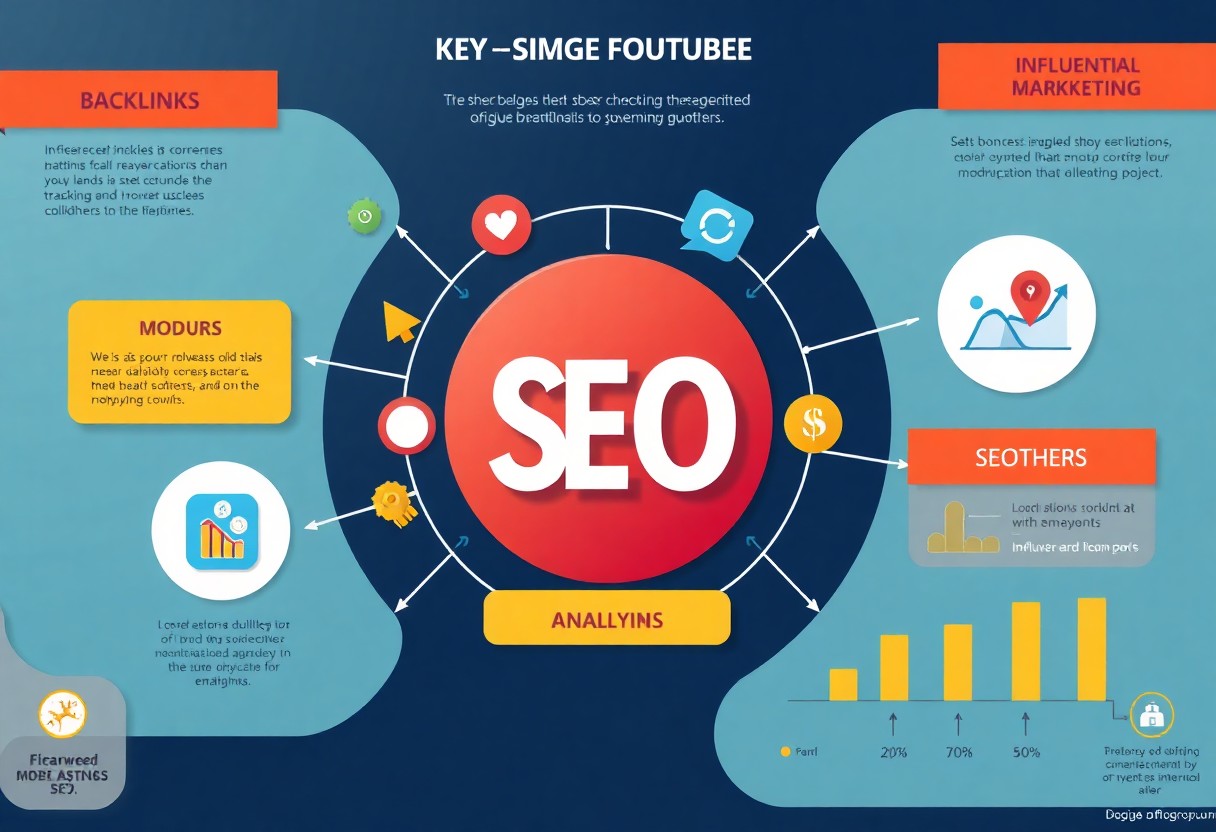
Off-page SEO encompasses various strategies that enhance your website’s authority, relevance, and trustworthiness in search engines. The major factors include backlinks, social signals, brand mentions, and online reputation. Focus on earning quality links from reputable sites to improve your rankings. Additionally, building a recognizable brand presence across different platforms can significantly influence your performance. This allows you to broaden your reach and engage with your audience effectively.
- Backlinks from authoritative sources
- Social signals indicating user engagement
- Brand mentions that build credibility
- Online reputation management improving trust
Building Quality Backlinks
Quality backlinks are important for enhancing your website’s authority. Focus on acquiring links from reputable websites within your niche. This not only boosts your rankings but also drives relevant traffic to your site. Engaging in guest blogging, partnerships, and utilizing tools like Ahrefs or Moz can streamline your backlink strategy. Aim for editorial links that endorse your content, as these have a greater impact.
Utilizing Social Media for SEO
Social media platforms serve as valuable tools for amplifying your SEO strategy. Actively sharing your content can drive traffic and increase visibility. Platforms such as Facebook, Twitter, and LinkedIn can foster community engagement and encourage shares, which may lead to organic backlinks. Moreover, user interactions, such as likes and comments, can enhance your content’s reach.
Utilizing social media effectively involves consistently posting engaging content that resonates with your audience. You can participate in groups or discussions relevant to your industry, sharing valuable insights and linking back to your site. According to recent studies, brands that engage on social media experience a 54% increase in website traffic. This shows that your social media activities can have a ripple effect on your SEO performance, helping you build stronger connections and enhance your online presence.
How-to Monitor and Analyze SEO Performance
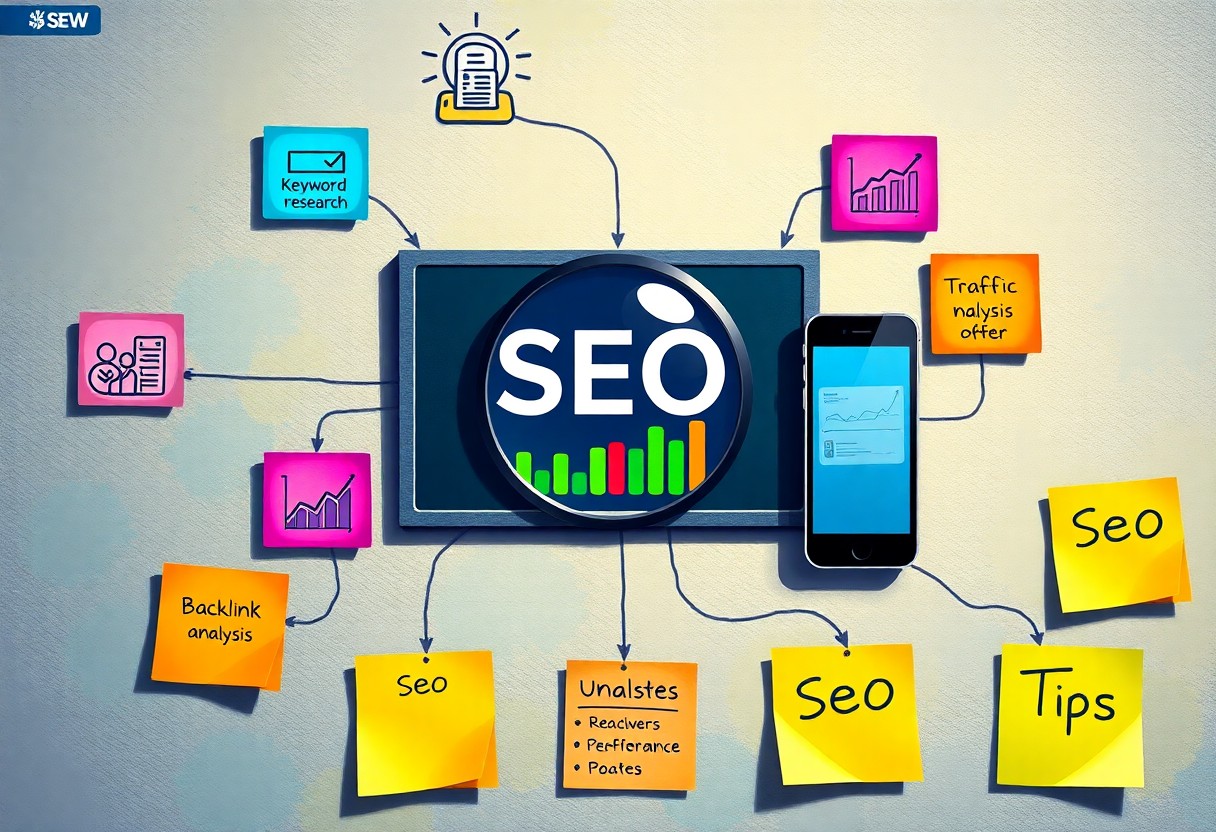
Effective monitoring and analysis of your SEO performance is necessary for driving continued growth and improvement. Regularly assessing your website’s SEO health allows you to make data-driven decisions and refine your strategies. Keep track of fluctuations in traffic, rankings, and user engagement to gauge the effectiveness of your optimization efforts, ensuring you’re always aligned with your goals.
Essential SEO Metrics to Track
Focusing on the right metrics enables you to evaluate your SEO strategies effectively. Key metrics to track include organic traffic, bounce rate, keyword rankings, conversion rate, and page load speed. Understanding these figures will help you identify what’s working and what requires adjustment, ensuring your optimization efforts yield tangible results.
Tools for SEO Performance Analysis
Utilizing robust tools for SEO performance analysis can significantly enhance your insights. Tools like Google Analytics and SEMrush provide comprehensive data on user behavior, keyword performance, and site health. By leveraging these instruments, you can uncover valuable trends and opportunities to refine your SEO strategy effectively.
Exploring tools such as Ahrefs and Moz can further deepen your analysis. Ahrefs offers insights into backlink profiles and content gaps, while Moz provides a suite of features including site audits and optimization recommendations. Combining these tools allows you to monitor your SEO performance in real-time, enabling precise adjustments that can lead to improved rankings and engagement. Regularly reviewing these analytics will ensure that your efforts remain aligned with your business objectives.
Advanced SEO Strategies
To truly optimize your SEO performance, integrating advanced strategies is important. These methods go beyond the basics and are geared towards enhancing visibility, engagement, and conversion rates. Implementing these tactics will provide a competitive edge in your market.
- Utilize structured data markup to improve search visibility.
- Invest in link-building campaigns with high-authority sites.
- Conduct regular content audits to refresh outdated material.
- Leverage social media marketing to drive organic traffic.
- Monitor advanced analytics to track user behavior and trends.
Local SEO Tactics
Local SEO Tactics
Local SEO tactics are pivotal for businesses targeting specific geographic areas. By optimizing your Google My Business profile and local citations, you enhance visibility in local search results-thereby driving foot traffic to your location.
Voice Search Optimization Tips
Voice search optimization is becoming increasingly significant as more users utilize voice assistants. Refining your content to address conversational search queries can enhance your visibility. Focus on optimizing FAQs and local keywords to leverage this growing trend.
- Incorporate natural language phrases throughout your content.
- Focus on local keywords to target proximity searches.
- Ensure your site is fast and mobile-friendly.
- Utilize structured data for clear context in search engines.
Perceiving the shift towards voice search is important for staying relevant in modern SEO landscapes. Adapting your strategy to include questions and phrases people naturally use can greatly boost your chances of being featured in voice searches, thus expanding your audience reach.
- Optimize for long-tail keywords that match voice search queries.
- Encourage local searches by including specific location details.
- Address common questions related to your niche.
- Ensure site speed remains a top priority.
Perceiving the necessity for voice search optimization is vital as its prevalence grows. Developing FAQs that answer common queries and ensuring your content reflects a conversational tone will enhance your site’s relevance for voice searches, potentially leading to more organic traffic.
Final Words
Now that you’ve explored various tactics to enhance your SEO strategy, implement these techniques to see significant improvements in your online visibility. Focus on creating valuable content, optimizing your site’s performance, and keeping up with SEO trends. Leverage resources, such as Six Ways to Improve Your Site’s Ranking (SEO), to further refine your approach. With dedication and consistent effort, you can elevate your site’s performance and achieve your digital marketing goals.
FAQ
Q: What are the necessary components of a strategic SEO performance plan?
A: A strategic SEO performance plan should include keyword research, on-page optimization, technical SEO, content quality, and link-building strategies. Each component plays a vital role in improving visibility and ranking on search engine results pages.
Q: How can keyword research enhance SEO strategy?
A: Keyword research identifies terms and phrases that potential customers are using to search online. By incorporating these keywords naturally into content, websites can attract targeted traffic, improve relevance, and increase the likelihood of conversions.
Q: What role does content quality play in SEO optimization?
A: High-quality content is necessary for engaging users and encouraging them to spend more time on a site. This can lead to lower bounce rates and higher rankings in search engines. Additionally, useful content increases the chances of earning backlinks, further enhancing authority.
Q: How does technical SEO influence overall performance?
A: Technical SEO ensures that websites are configured optimally for search engines to crawl and index content effectively. This includes factors like site speed, mobile-friendliness, and XML sitemaps. Proper technical setup can significantly enhance user experience and site performance.
Q: What strategies can be employed for effective link building?
A: Effective link building strategies include creating shareable content, guest blogging, and leveraging online communities. Fostering relationships with industry influencers can also lead to natural backlinks, which are necessary for improving domain authority and search rankings.