An emergency dental practice should buy same-day leads only after its phone path is obvious. A same-day lead still has to reach a person who can say whether a chair exists today. If your page hides the phone, the lead and the website both fail the person in pain, so make the phone path obvious before you buy more names.
This guide covers what a same-day lead still needs, what an obvious phone path changes, how the lead and the page compare, how to decide before another batch, and when a lead is just substituting for a hidden phone.
Takeaways
- A same-day lead is still a person who needs a yes or no from today's book.
- If the page hides the phone, the lead has nowhere honest to land.
- Put the phone first, and keep a short form that asks what broke or what hurts.
- Do not let a vendor's same-day label promise a chair you have not checked.
- Buy more names only when the path is obvious and the lead is a person that path is not built to hear.
What a Same-Day Lead Still Needs
A same-day lead still needs a person at your office who can look at the book and say whether a chair exists today. The lead itself cannot say that. It usually offers a name, a way to call, and a label such as "emergency," "toothache," or "same day." It may not say what broke or what hurts, and it may not say whether the person can travel. It may also have told them a chair is likely, because that sentence produces the lead. You inherit both the sentence and the blank.
Speed does not fix the blank. The value of a same-day name is that someone might still be reached inside the window. If your page hides the phone and your coverage does not see website notes until later, you will treat the paid name the same way: a callback into a gap. The person in pain is waiting on both paths. You paid for one of them, and the other was supposed to be the front door but is acting like a brochure.
Read a small batch against the window you actually keep. Could coverage have answered before the window closed? Did the note say what hurts? Did the person already think they had been told to come in? If the answers are no, no, and yes, the lead is a prompt with a false start. More prompts will not create a chair. They will create more travel on a promise you did not mean to make, or more missed calls inside a short window.
Then compare that batch to people who found you without the vendor. If they also cannot find the phone, you do not have a lead problem. You have a hidden path, and the lead is papering over it. Paper is expensive, and the person in pain still cannot see the number. Fix the page first, then decide whether any names are still worth buying.

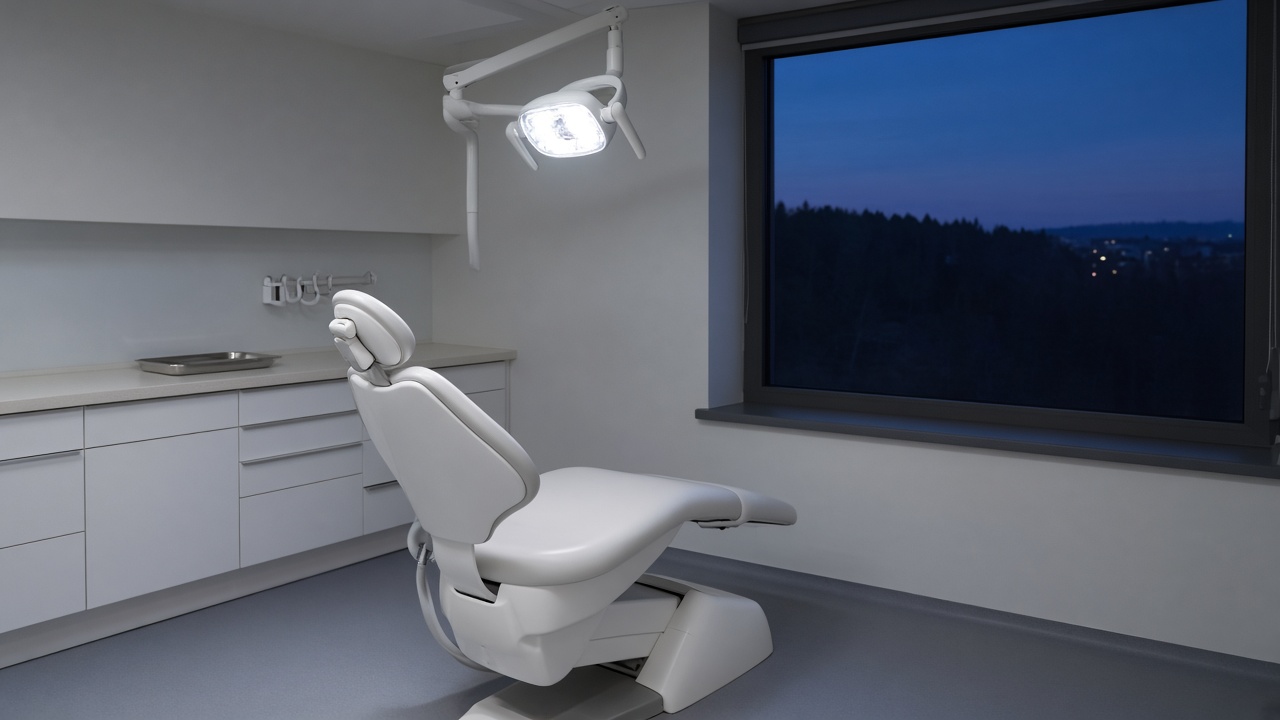
A bright operating light hangs above the headrest of an empty dental chair, with night outside the window.
What an Obvious Phone Path Changes
An obvious phone path puts a way to reach a person above everything else on the emergency page, during the window you keep. The sentence next to it says someone will tell them whether a chair exists today. It does not say a chair is held. A short form sits underneath for what broke or what hurts and whether they can travel today. A long new-patient packet is not on this page, and neither is a consult request.
That layout changes how you compare leads. A name you buy can be answered with the same honesty the page already shows: you call, you know the window, and you say yes or no from the book. You are not also apologizing for a website that sent them into a form. The lead becomes an extra way someone reached you, not a repair for a door you hid. If you cannot describe your page that way yet, the lead is early.
The Emergency Dentistry page sells the same-day visit, and this article is about when a bought lead is standing in for a hidden phone. The first-visit book and the procedure consults live on the Dental page. A same-day campaign that dumps people onto those doors fails the person in pain and clogs the other books.
Make the path obvious on a phone screen, not only on a wide layout where the number sits in a corner a hurting person will not hunt for. Visit the page yourself as a stranger would and count the actions before you know how to reach coverage. If it takes more than a single look, the path is still hidden. Vendors will not fix that for you, because their form ends when the name is sold.
How the Lead and the Page Compare
Lay the lead and the page against the same needs. The page can be built to meet them. The lead arrives after the chance to ask, unless you ask on the callback, which is a delay the person already feels.
| What the person in pain needs | Same-day lead | Page with an obvious phone | Page with the phone buried |
|---|---|---|---|
| A person who can see today's book | Only if you call in time | The path is the first thing | A form, then a later inbox |
| What broke or what hurts | Often a vague label | A short question, or the call | A comment inside a long packet |
| Whether they can travel today | Usually unknown | Asked, if they use the form | Not asked, or asked too late |
| An honest window | Whatever the vendor implied | What your book actually keeps | Often a broader promise |
| A chair | Not known | Said only after the book is checked | Sometimes implied by the form |
The last row is the one that causes wasted travel. A lead and a buried phone can both imply a chair, but an obvious path refuses to. If your page sits in the rightmost column, do not buy the middle column's problems on top of it, or you will be explaining two promises. Move the page to the obvious column first, and then a lead is a name, not a substitute door.
Use a live lead in the table before you renew. If you cannot fill the obvious-phone column because that page is still a plan, the plan is the work. Owners renew because the phone felt quiet, but quiet is what a hidden path produces, and it is also what a full book produces. Those are different situations, and a lead report will not tell them apart. The page will.
How to Decide Before Another Batch
Decide with your window open, not from a vendor sample that uses someone else's hours.
- Open the emergency page on a phone and see whether the path to a person is the first thing.
- Check that the page states your real same-day window and does not promise a chair.
- Confirm a short form, if you keep one, asks what broke or what hurts and whether they can travel today.
- Place recent same-day leads against that window. Note how many still needed a discovery call to know the problem.
- Buy another batch only if the path is obvious and the names are people that path will not hear.
Step one fails more often than owners expect. The number sits in the footer, the button says "request appointment," and the form is a new-patient packet. That is a hidden phone, so stop at step one and fix it. Steps two and three cover honesty and intake. A page that shows a phone and then confirms you are scheduled has not become obvious in the way that matters. It has become a louder wrong promise.
Step five is the only yes. Write down who the page cannot hear, such as a channel you chose on purpose where a vendor really does reach people you otherwise would not. Do not write "we should be busier." Busier inside a hidden path means more people who cannot find you and more callbacks racing the window. Make the path obvious, let the book tell you whether there is room, and then consider names.
If coverage cannot see leads inside the window either, the batch will fail alongside the page. Where the lead lands is part of the decision. A lead that arrives in a mailbox read tomorrow is not a same-day lead, whatever the vendor called it, so route it to the role that watches today's chairs or do not buy it.
When the Lead Substitutes for a Hidden Phone
A lead substitutes for a hidden phone when you are paying someone else to tell people to call because your own site will not. That can feel practical. It is really a second front door you do not control, aimed at people in pain, while the door you do control still looks like a packet. The vendor's words and your words will disagree, the person will believe the one that offered relief, and you will answer with the book. The gap shows up as an angry arrival or a missed window.
You also cannot correct the vendor when your window changes. If you stop seeing same-day pain on a given day, their form may keep saying "same day." Your page can say the window is closed the morning it closes, but the lead will keep arriving with yesterday's offer. Every renewal reimports a chair you may not have. Once the phone is obvious, the page tells the truth without a media budget.
When the path is obvious, treat a lead as a name that still needs the book. Call if you can do it inside the window, say what the page would have said, and do not let the label hold a chair. If the name adds nothing your phone path is not already inviting, you do not need the batch. The person in pain needed a person. The page can offer that, while the lead can only offer a race to the same answer.
Questions
What Does a Same-Day Dental Lead Still Require From You?
A person who can see today's book and say whether a chair exists. The lead does not know that, and it often does not know what broke or what hurts. If nobody can answer inside the window, "same day" is only a word on a list.
What Does an Obvious Phone Path Look Like?
The way to reach a person is the first thing on the emergency page, with a line saying they will tell the caller whether a chair exists. A short form may ask what hurts and whether the person can travel today. A long packet is not the main action, and the window matches the book.
Why Is Buying Leads a Weak Fix for a Buried Phone?
Because the person who uses your site still cannot find you, and the person from the lead still needs the same answer. You pay for a parallel door and keep the broken one. Make the path obvious, and then a lead is optional, not a patch.
When Would Another Batch Be Reasonable?
When the phone path is already obvious, the page does not promise a chair, and the names are people that path is not built to hear. A quiet day is not the reason. A lead that lands outside the window is not a same-day lead.
What Should You Tell Someone Who Arrived Through a Lead?
Whether a chair exists today, after you look at the book, and what the real window is. Do not repeat a vendor promise the schedule cannot keep. Ask what broke or what hurts if the lead did not. The call should carry the same honesty the page should have shown.
Conclusion
A same-day lead still has to reach a person who can say whether a chair exists today. If the emergency page hides the phone, the lead and the website both fail the person in pain. Make the phone path obvious before you buy more names. You can tell a lead is substituting for that path whenever you are paying someone else to say what your page will not.
When you are ready to choose between bought same-day leads and an obvious phone path, Speak With Us.