
Sell the visit a new stop is actually agreeing to, and make the crew perform that visit. Mowing only means the cut and the few tasks that always ride with it. A full-yard plan means a named set of extra work, on a rhythm you can keep. The homepage, the agreement, and the day on the route have to say the same thing before you promote either one.
This guide covers what each offer promises, when mowing only is the honest offer, when the fuller plan is, what breaks if the crew and the page disagree, and how to match the offer to the route.
Takeaways
- Choose mowing only or a full-yard plan as the thing a new stop accepts.
- Write the tasks that are always included, and the tasks that need their own yes.
- Lead with the plan only when the crew already does that work on ordinary days.
- Change the page when the truck and the headline describe different visits.
What Mowing-Only Is Promising
Mowing only promises a repeating cut of the turf, plus the small tasks you refuse to separate from that cut. For many crews that means edging the hard line and blowing clippings off walks and drives. The promise is narrow on purpose. A new customer should know the yard will be cut on a rhythm, and should know the beds, the shrubs, and the odd jobs are outside that yes.
Say the rhythm in ordinary language: weekly in the growing season, or every other week, or whatever pattern you can actually keep when the grass surges. A fuzzy line such as as needed invites an argument on the second hot week. The page and the first conversation should use the same pattern, so the customer is agreeing to a schedule the route can hold.
Photos for this offer should look like a kept lawn, not like a rebuilt garden. A wide ornamental bed in the hero image will be read as part of the mow. If that bed is scenery, say so. If caring for it is a different product, give it a different door. The mowing promise stays easier to trust when the picture matches the machine on the trailer.
The next step is joining that stop. Ask how large the lawn feels, what is in the way, and whether they expect anything beyond the cut. Those three answers tell you whether the property fits a mowing day, and they catch the person who wanted a gardener and clicked because the lawn looked tidy.
What a Full-Yard Plan Is Promising
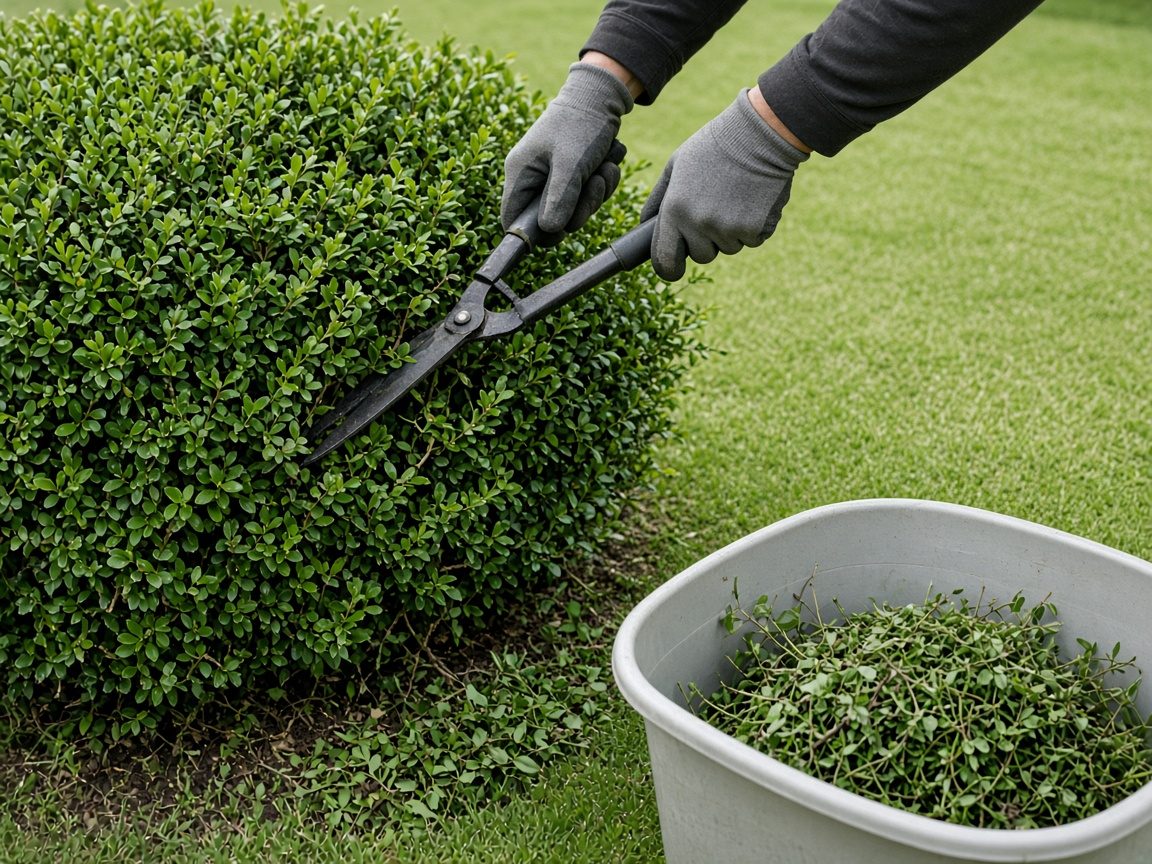
A full-yard plan promises a defined bundle, repeated, that goes past the cut. It might include bed weeding, a light trim, leaf removal in its season, and a check of the edges you already mow. The word full is dangerous if you leave it undefined. Full has to mean a list, and a list the crew can finish inside the time the route allows, on the properties you accept.
Write the list as tasks, not as a feeling of a perfect yard. Customers can picture weeding the front beds, but they cannot picture whatever it takes, and the second phrase swallows the day. If a task happens only in some months, say the months in words, such as leaf cleanup while leaves are falling. A plan that pretends every visit looks identical will disappoint the week the extra task appears, and the week it does not.
The plan also promises a standard. Say what done looks like for each task in a sentence a new crew member could follow: weeds pulled from the beds you listed, shrubs kept to the shape you agreed, clippings off the hard surfaces. Skip the poetry. The standard is what you and the customer will both remember after a dry visit when nothing looks dramatic.
The next step has to confirm the bundle, not just the address. A household that wants the cut and nothing else should be able to see that they are in the wrong line, and a household that wants the beds should see the beds named before they say yes. One button labeled get a quote, sitting under both ideas, is how the two offers collapse.
When Mowing Only Is the Honest Offer
Mowing only is the honest offer when the route is built from cuts, and the extra work is occasional, unpaid in time, or different enough to knock the day off schedule. If your best week is a series of lawns finished before the light changes, the homepage should sell that week. Extra tasks can exist, but they should enter through their own yes, after the mow is already clear.
Look at what the crew does when nobody is watching the page. If they cut, edge, blow, and leave, you are a mowing company that sometimes helps. Publish the sometimes as an add-on. Publishing it as a plan tells the next customer the sometimes is a guarantee, and the crew will feel that guarantee on the third property, when the beds take longer than the lawn.
Mowing only is also honest when you do not want to hire the day around garden work. Bed care has its own pace, its own complaints, and its own eye. You can respect that work and still refuse to make it the face of the company. Point serious planting and bed rebuilds toward landscaping, where a project can have a scope and a finish, and keep the route for the cut.
If you are torn because a few loyal customers get more than the cut, leave them as exceptions you already know. Do not rebuild the public offer around exceptions. The public offer is what a stranger is allowed to expect on the first visit.
When the Fuller Plan Is the Honest Offer
The fuller plan is the honest offer when the crew already treats the extra tasks as part of the stop, and the day is built with that time inside it. You are not upgrading a mowing route by changing the headline. You are naming the visit you already run, so new stops agree to it before the truck arrives.
Check a normal day, not a showcase day. If bed care, trimming, and the cut all happen without a special request, the plan is true. If those tasks happen only when the customer is outside or only on properties you like, the plan is a mood. Moods fill the page and empty the afternoon, so put the real list in writing and drop the tasks that depend on goodwill.
The fuller plan should lead when you want the next customer to be someone who expects that list. Mowing-only shoppers will find you expensive in time or confusing in scope, and that is useful information. Let them see the list and choose a mowing company, or offer them a clearly smaller door if you still want their lawn and can keep it on a different rhythm.
A plan that includes project work is no longer a plan. Rebuilding a bed, installing plants, or changing the grade is a job with a start and an end. It can sit beside the route as its own offer, but it should not be folded into a weekly yes, or the route will spend its summer inside one yard.
What Breaks If the Crew and the Page Disagree
The week breaks when the page sells a plan and the crew runs a cut, or when the page sells a cut and the crew is expected to leave every yard looking designed. Customers remember the page, the crew remembers the clock, and you inherit the argument.
| What the page says | What the crew does | What the customer feels |
|---|---|---|
| A full-yard plan with no task list | A cut, an edge, and a blow | The visit was thin against the headline |
| Mowing only, with garden photos and no limit | A cut, while the beds sit untouched | The picture was a promise the visit ignored |
| Every extra task included on every visit | Extras only when the day is short | The plan changes based on who is behind the mower |
| One button for both a cut and a plan | Whichever visit the office guessed | Two neighbors received two different agreements |
The break also shows up on the truck. A new person follows the page, stays too long, and the rest of the day slides. Or they follow the old habit, skip the beds, and the office takes the complaint. Neither person is wrong. The offer was never a single visit.
Fix the disagreement before you add stops. Another customer on a confused offer makes the route look busy and the complaints look random, but the complaints are simply the page collecting what it asked for.
How to Match the Offer to the Route
Match them by writing the visit once, then making the page, the form, and the crew card use that same visit. If you truly sell both, they are two routes or two clearly separated agreements, not two adjectives on one screen.
- Ride along one ordinary day and write the tasks that happen at every stop.
- Write the tasks that happen only when someone asks, and mark them as add-ons.
- Choose the public offer: the every-stop list, or a plan that already includes the add-ons in the day's time.
- Put that list in the first screen of the lawn page, in the same order the crew does the work.
- Make the form ask the customer to confirm the list, and give the other offer its own path if you still sell it.
- Hand the crew the same list, and treat a task off the list as a separate yes.
The Lawn Care page is where that offer lives for a stranger. If the other path is a planting or a rebuild, it belongs with Landscaping, not as a footnote that makes the mow sound larger. Home & Property Maintenance is the wider group, and it is the wrong place to blur the visit.
Triwave Consulting looks at the agreement first. The page, the next step, and the work have to say the same thing. The order after that is Initial Contact, then Detailed Discussion, then Implementation. Initial Contact is you describing the visit the crew runs and the visit the page describes. The Detailed Discussion picks one list and separates anything that does not fit. Implementation puts that list on the page, on the form, and on the truck.
When a new stop says yes, you should be able to read the yes back as tasks and a rhythm. If you can only read it back as a feeling, the offer is still a guess.
Questions
Can a Mowing Customer Add Yard Work Later?
Yes, when the extra work has its own yes and its own time. Add bed care or a cleanup as a separate agreement if the crew can do it without breaking the rest of the day. What fails is sliding the extra work into the original mow because the customer asked nicely and the page was vague.
What If the Crew Already Does Extra Tasks?
Then write the extras down and decide whether they are the offer. If they happen on ordinary stops, the honest page is the fuller plan, with those tasks named. If they happen only for a few households, keep mowing as the public offer and leave the extras as known exceptions. An unwritten habit will be treated as a promise the moment it appears in a photo.
Should the Homepage Mention Both Offers?
It can mention both only if one of them leads and the other has a named door. The headline, the first photo, and the button should belong to the visit you want the next stop to accept. A second sentence can point to the other visit. Two equal headlines ask the customer to invent the agreement.
How Does a New Stop Know What They Agreed To?
They know when the page, the form, and your confirmation use the same task list and the same rhythm. Read that confirmation aloud before the first visit. If you hear words like full service or whatever you need, replace them with tasks. The customer should be able to repeat the visit to someone else in the house.
What Belongs in the Visit Note?
The tasks on the list, anything the property needs the crew to know, and anything that was refused. A note that says the yard should look great will be read differently by every person on the route, whereas a note that says cut, edge, blow, and leave the beds is an agreement. Update it when the agreement changes, and keep the page in step.
Conclusion
Choose mowing only or a full-yard plan as the visit a new stop agrees to, and run that visit. The page, the confirmation, and the crew have to name the same tasks. When they do, the route holds, and a new customer can tell what they bought.
When you want the lawn page and the route to sell the same visit, Speak With Us.