

A property maintenance company shows the jobs it actually does by naming the work the crew already schedules, in the words the crew uses, and by removing every service the crew will not perform. The estimate request should ask for one of those jobs, and the person who answers should send the right crew. Before any promotion, the page, the next step, and the real work have to say the same thing. Triwave Consulting looks at that agreement first.
This guide covers how to name the jobs the crew really does, how to match photos to those jobs, how to make the estimate form ask the right question, which services to drop, how to review the site against last week's jobs, and how the pillar page and this article split the work.
Takeaways
- Write the job list from the work the crew already schedules, then publish that list.
- Keep a photo only when it shows a job you still sell and a finish you still leave.
- Make the estimate form name the job, the property facts, and the access the crew needs.
- Remove any service you would decline, refer, or keep only for people you already serve.
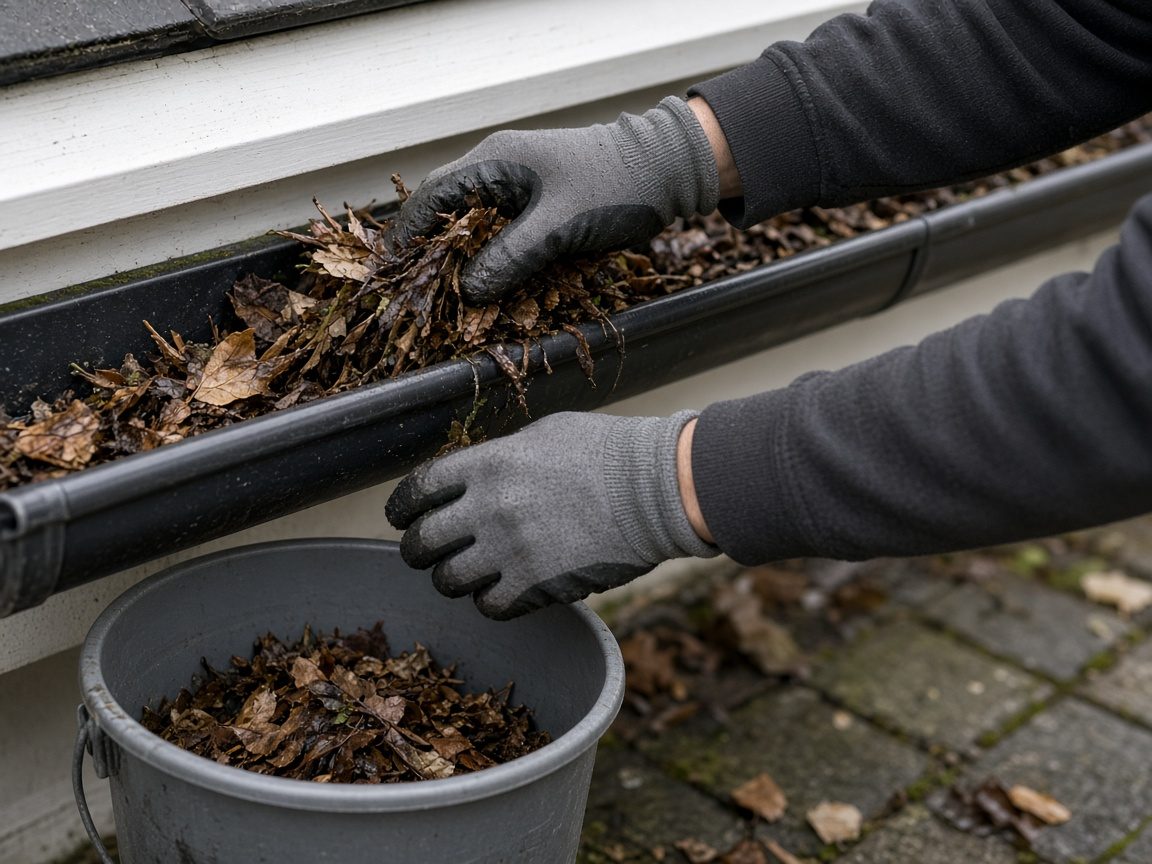
Name the Jobs the Crew Really Does
The jobs worth showing are the ones a crew lead can point to on the route sheet. Start with work that already has a truck, a tool, and a person who knows how to finish it. A page copied from a wider menu trains people to ask for a visit you will not send.
Read the schedule the way the office wrote it. A maintained lawn, a weedy lot, a pest plan, a one-time pest look, a driveway wash, a bed you keep, and a tree you take down are different jobs when the crew treats them that way, and the site needs those same names.
Use this pass before you rewrite a headline.
- Pull the jobs completed in the last full week, and group them by the words the crew already uses.
- Mark each group as a job you will schedule again for a new customer.
- Write one sentence for each kept job that says what the crew does and what the customer receives.
- Set aside any job you would decline, refer out, or reserve for people already on the route.
- Read the sentences aloud to the person who answers the phone, and change any line they would not say.
That list is the offer. Lawn Care, Landscaping, Pest Control, Tree Services, and Pressure Washing differ in the crew, the visit, and the follow-up. Say which of them you do, and keep the language inside those visits. Stop when the person on the phone can repeat the sentences.
Tree work and pest treatments carry real safety and licensing questions. Keep the page honest about what your crew is trained and permitted to do, and send anything beyond that to the right professional instead of implying you can handle it.
Match the Photos to Those Jobs
A photo belongs on the site when a crew member can name the job in it and you would book that job again. Match the picture to the sentence you wrote. If the sentence is about mowing a maintained lawn on a recurring visit, the photo should show that finish. A dramatic picture of a lot you do not want will attract the job you set aside.
Use pictures from your own work. A perfect yard, a gleaming driveway, or a tree crew you do not employ will outrun the truth, and the person who filled out the form believed the picture. When your crew arrives with a different standard, the disagreement starts before the work does.
Put the photo beside the job it shows, and label it with the job name you already use. Hedge trim on a maintenance visit is a label. A phrase about outdoor living is a mood, and a mood does not tell the estimator what to bring. A gallery with no labels makes the visitor guess, and the guess becomes the request.
Keep each photo with the trade it shows. A washing photo on a lawn page teaches people that the lawn visit includes washing, and you should say that only when the lawn crew washes. Retire a photo when you retire the job, or the office will spend the call explaining an image. If you have no photo yet, use the sentence and wait, because an empty spot is clearer than the wrong picture.
Make the Estimate Form Ask the Right Question
The estimate form should ask which kept job the person wants, plus the facts the crew needs before anyone drives. A box that invites a story about the project invites every project. A form that lists your real jobs lets the sender choose, and it shows a mismatch before you call back.
Ask for the job first, using the same names as the page. Then ask what changes the visit. How would the customer describe the size of the work? Is there gate access? Will pets be present? Is this a first visit or a repeat? For tree work, ask whether the person wants the tree reduced or taken down, because those are different crews and different estimates. For pest work, ask what the person is seeing and whether they want a recurring plan or a single visit. For washing, ask which surface. The form is there to keep the wrong job out of the queue.
Leave a short note field beside the job choice. When the note describes work you dropped, the reply can name what you sell. The button should say what happens next, whether that is a time to look, a call, or a visit, and who will do it. The form, the thank-you line, and the first human reply are one path.
Put that form on the page that described the job. A single contact box can sit in the footer as a fallback, but it is a weak main door, because it cannot tell a mowing request from a removal request until someone sorts the pile by hand.
Drop the Services You Do Not Sell
Take off every service you would not put on next week's schedule for a new customer. That includes work you can do and do not want, work another crew sometimes handles, and lines that arrived already filled in on a template. The site states what you will schedule, and a line you hope to grow into is a statement you cannot stand behind yet.
Walk the navigation, the footer, the service grid, and the opening sentences. Templates favor a wide grid, and your week is narrower. If a tile names roof cleaning and you wash flatwork, remove the tile. If a tile names design and you maintain plantings someone else installed, say maintenance. If a tile names specialty pest work and your routes are a general plan, say the plan you sell. The Home & Property Maintenance page is a map of these trades, and your site should be a map of your crews.
Use the table as a keep-or-remove pass. Read each row against a real job from the schedule.
| Check | Keep it on the site | Take it off the site |
|---|---|---|
| Schedule | A crew will book this for a new customer | You would decline it or delay it past a real offer |
| Words | The crew and the page use the same job name | The page uses a broader name than the visit |
| Photo | The picture shows this job and your finish | The picture shows a job, a finish, or a crew you do not have |
| Form | The form can name this job on its own | The form would mix it with a different visit |
| Reply | The person who answers can explain the next step | The reply would be an apology or a handoff |
After the pass, the first screen should name the lead offer. Other real jobs can live on their own pages in the same words. Keep the removed lines by the phone so the reply stays the same on a busy afternoon.
Review the Site Against Last Week's Jobs
Lay the site next to last week's jobs, one job at a time. Open the schedule, open the page that should have caught that request, and ask whether a stranger could have asked for that job, in those words, and landed in the right place.
Start with the jobs that filled the week. Each one needs a sentence, a photo or a choice to wait for a photo, and a form choice. Then look at the requests you turned away. If the site invited them, the site is still selling that work, so change the sentence that invited them before you add anything new.
Name who sees the request, how the reply goes, and what that person may say. A clear page with a quiet inbox fails the same way as a page full of services you will not do. If estimates happen after the routes, the thank-you line should name the reply in the words and the timing you actually keep.
Run the review on the day you already look at the schedule. A new line appears, a side-job photo gets uploaded, or a season ends and a service should pause. When you find a gap, change the page before any promotion, because promotion sends people to whatever the page says. Website Design is the work of making the pages match the jobs, the form, and the reply. A fresh look that keeps the old menu makes the wrong offer easier to see.
When you want help with the change, the order is the one Triwave Consulting uses. Initial Contact is you showing the schedule and the pages. The Detailed Discussion is where the job list, the photos, and the form get decided. Implementation is changing the site and the reply so they follow that decision.
How the Pillar Page and This Article Split the Job
The Home & Property Maintenance page is the offer. It is where an owner who mows, treats, plants, washes, or cuts trees asks Triwave Consulting to look at the agreement between the site and the work. This article covers the decision you can make before that conversation: which jobs the crew really does, and whether the site shows them. You can run the check on your own, and the page is for the conversation after you have a list.
These trades run into the same mix-up. The menu on the site is wider than the week. Each trade still has its own visit, so the page for that trade is the offer once you know which crew you mean. This article stays on the shared check: name the jobs, match the photos, make the form ask, remove the rest, and review the pages against last week.
If a job is on the site, a crew can do it, the form can name it, and the person who replies will say what the page said, then the site is honest. When that test holds, you know what to put in front of anyone who asks about the website.
Questions
What If a Job Is Seasonal?
Keep the job on the site during the season you sell it, and name the season in the same sentence. When the season closes, say when the next round opens, or take the job down until you book it again. A page that still offers a finished season creates calls you will spend the week redirecting.
Should Side Work Stay on the Site?
Leave side work off the public offer. A favor for someone you know is not a job the site should collect. Once it is on the page, strangers will ask, and you will either stretch the crew or turn them away. Add it when you will schedule it for a new customer the same way you schedule the rest of the week.
How Many Jobs Belong on the Homepage?
Lead the homepage with the offer you want more of, and point to the other jobs you truly sell. A short list that matches the crews is enough. Tasks inside a visit, such as edging, blowing, and trimming, can sit as details under the job name. They become separate offers only when you sell them on their own and staff them on their own.
What Should a Reply Say About Dropped Work?
Say what you do sell, in the same words as the page. Thank the person for the note, then name the jobs you schedule. If you point them somewhere else, keep that line short and make no promise that another company will take the work. The reply should sound like the company the website described.
Who Needs to Approve the Job List?
The owner and the person who answers the phone should both say the list without looking it up. If a crew lead would describe a job differently, fix the words before they go on the site. A page that only its builder understands will drift, because everyone else will answer from memory.
Conclusion
Show the jobs the crew already does, in their words, with photos and a form that ask for those jobs. The page, the next step, and the work have to agree, and that agreement is the gain. When the list is true, the offer page can carry the conversation from there.
When the site should show the jobs the crew does, Speak With Us.