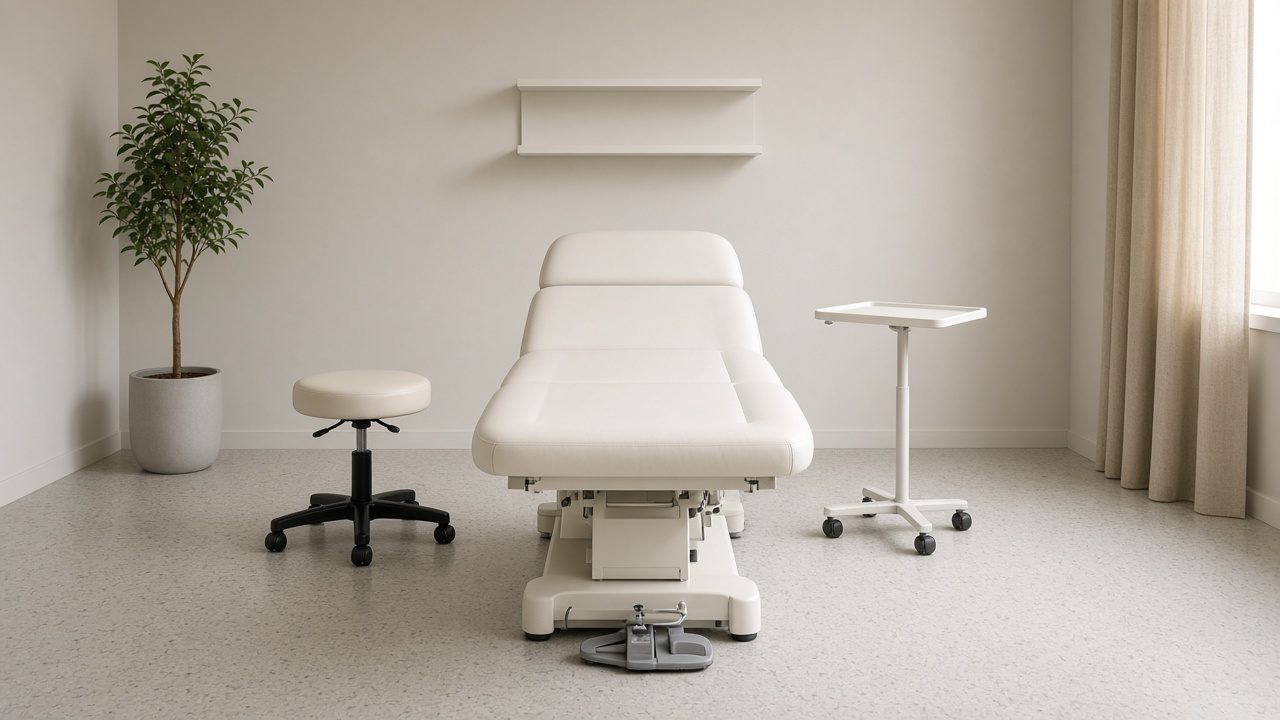

A med spa turns a consult request into a booked visit by repeating the same visit from the page, through the reply, and onto the book. The request asks for that conversation, not a finished plan. The page, the next step, and the work in the room have to agree, or the request stalls somewhere a person cannot see. Triwave Consulting looks at that agreement first.
Takeaways
- Treat the request as a request for the consult the page already named.
- Make the reply repeat the visit, the person, and the way a time gets on the book.
- Review one real request from the first line to the confirmation before you change the whole site.
- Use the med spa page as the offer of help, and use this article to decide how your own path should work.
What the Consult Request Is Actually For
The consult request is for a conversation that can become a booked visit. It is not a treatment plan, a price quote, or a promise that a certain look will be delivered on the first day. The person writing in has usually seen a service name and wants to know whether that service is the right hour to book. Your job on the website is to make the next step obvious. The job in the reply is to put that step on a real calendar.
Say what the consult decides and what it does not. It decides whether this practice and this person are a fit for the concern they described. It does not decide a clinical plan in the form. That limit protects both of you. The visitor is not owed a protocol by email. You are not required to invent one in order to be helpful. Offer a time to talk, in the room or on a call if that is how you consult, and name who they will meet.
A Med Spas request often arrives with a mix of hopes: a facial, a peel, an injectable, a question about laser. The request is still one conversation until you and they choose otherwise. If your spa books some services without a consult and others only after one, the request has to land in the right pile. Mixing those piles is how a person shows up expecting a treatment and finds a conversation, or the reverse.
What the Page Has to Say About the Visit
The page has to say that the next step is a consult, what the consult is for, and how a person asks for it. A Landing Pages version of that offer should do the same job in a shorter space. The first screen names the visit. The button repeats it. The form keeps the service they clicked, so they do not have to retype the reason they came.
Write the visit in the words the desk will use. "Book now" is weaker than "Request a consult" when a consult is required. If some treatments are booked directly, give them a separate path with a separate name. One button for every hope in the building makes the request meaningless. The person who opens the inbox cannot tell a consult from a same-week treatment, and the visitor cannot tell what they just asked for.
Name the person in the role the visitor will meet. If a particular clinician does the consult, say so. If the first conversation is with the front desk and the consult is a later visit, say that too. People prepare differently for each. Also say what to bring in plain terms: the concern they want to discuss, and any question they need answered before they commit to a later treatment. Leave the clinical detail for the room.
The page should match the Beauty & Aesthetics idea of a clear offer without borrowing a different niche's visit. A med spa consult is not a surgery consult and not an injector appointment unless that is truly what you book. Use the words for the hour you have.
What the Reply Has to Repeat
The reply has to repeat the service they asked about, the fact that the next step is a consult, and the concrete way to choose a time. A thank-you with no next step is a closed door that looks polite. A reply that renames the visit, from consult to treatment or from treatment to "we will see," makes the person unsure what they agreed to.
Use their words where you can. If they wrote "consult for a peel," the reply should say "consult for a peel." Then add only the facts they need: who they will see, how they will choose a time, and what the consult will not include. Short is a kindness. A long reply that explains how a treatment is performed is the wrong document. That explanation belongs with the person who can look at them and decide.
Send the reply from a place a second person can see. A personal inbox that only one owner opens will miss the afternoon. The confirmation, once a time is chosen, should repeat the same three facts: service, consult, and time. If a reminder goes out later, it should not introduce a new name for the visit. People cancel when the reminder sounds like a different appointment than the one they accepted.
Read the reply next to the page before you save it as a template. If you covered the page and could not tell which text you were reading, you are close. If you can tell immediately because the reply is vaguer, fix the reply.
Where Requests Go to Die
Requests go quiet in a few ordinary places. None of them look dramatic. They look like a form that was easy to publish and a desk that is busy. The fix is to pick the place and give it a single job.
| Where it stalls | What the visitor experiences | What to change |
|---|---|---|
| A form with no service name | They wonder if anyone knew why they wrote | Keep the service on the form and in the subject |
| An inbox one person owns | The reply waits until that person is free | Put the request where two people can see it |
| A reply with no time | They feel thanked and unbooked | Offer a way to choose the consult time in the same reply |
| A renamed visit | They prepared for the wrong hour | Repeat the word the page used |
| A request for a service you do not consult | They arrived through a leftover page | Take that page down or point it at the real next step |
The last row is common after a menu grows. Old services stay on the site. New requests follow them. The desk then spends the call explaining that the page is out of date. That call is the request dying in public. Remove the path, or rename it to the consult you do offer.
Also watch the gap between "we replied" and "they have a time." A reply that says someone will call soon, with no window and no second step they can take, depends on a memory. Memories slip on a full book. Give them a way to pick the consult, or name the day you will call and then call.
A Simple Review of One Request
Review one request from the last week, the whole way through, before you redesign anything. One real thread will show the stall faster than a meeting about the website in general.
- Open the page they would have seen and write down the visit it offered.
- Open their message and write down the visit they thought they asked for.
- Open the reply and write down the visit you named back.
- Check whether a time was offered, accepted, and written on the book under that same name.
- Ask the person who would have done the consult whether that hour was theirs to give.
- Mark the first line where the words changed, and fix that line only.
If the thread never existed because nobody saved it, that is the finding. Start saving the next one. If the words match and the visit still did not get booked, look at the time offer. A perfect description with no way to choose an hour is still a dead request. If the words changed at the reply, change the template before you look at colors or a new photo. The review is finished when you can point at the line. It is not finished when you have a list of wishes.
Do this with the person who answers, not only with the person who owns the spa. They know which sentence they dread saying. Put that sentence next to the page. Either the page changes or the sentence does. Both cannot stay.
How the Med Spa Page and This Article Split the Job
The Med Spas page is the offer. This article is the decision. The page on the Triwave Consulting site describes help with the site and the path for a med spa. It is not your consult menu, and it should not be copied onto your homepage as if it were. This article stays on your side of the desk: how a request becomes a time on the book.
Your consult page should tell a visitor what to ask for and how. It should not teach them marketing. This article should help you see where a request dies. It should not pretend to book their visit for you. When those jobs blur, you get a homepage full of advice and a reply that still does not name a time.
Triwave Consulting looks at the agreement before anything else. The order of work is initial contact, then a detailed discussion, then implementation. Initial contact is you showing one real request and the page it came from. The detailed discussion names the consult in a sentence the desk can repeat. Implementation changes the page, the form, and the reply so the next request can become a booked visit without a speech. A new layout that keeps the old reply will not do that.
You can run the review yourself. If the same stall shows up in request after request, that is a reason to have the conversation. Bring the page and one thread. Leave the rest of the inbox at the desk.
Questions
Should the Form Ask Which Service They Want?
The form should ask which service they want when the spa offers more than one kind of consult, using the same names as the page. A blank box makes the reply guess. If every request is for the same consult, say that in the heading and still repeat the service name in the reply.
What If They Ask for a Price in the First Note?
Repeat that the consult is where the plan is discussed, and offer a time for that consult instead of inventing a figure. If the page already implies a set price, change the page so it matches the reply. The request can still be booked as a consult, which is the visit you meant to offer.
Can One Button Cover a Consult and a Treatment?
Use one button only when both clicks are the same kind of visit. A consult and a treatment take different time and often different people. Separate buttons, with the service named on each, keep the request in the right pile. If you are unsure which visit a service needs, decide that before the button goes live.
Who Should Send the First Reply?
The person who can offer a real time should send it, or a teammate using words that person has already approved. A shared inbox beats a private one, because the spa does not close when one person steps into a room. The reply can be short, and it still has to name the consult and a way to choose the hour.
What Should the Confirmation Repeat?
Repeat the service, the word consult if that is the visit, the time, and who they will see. Leave out new promises that were not on the page. A reminder later should use the same words, so the visit does not change names overnight. If the plan changes because they asked for a different service, send a new confirmation that says so plainly.
Conclusion
A consult request becomes a booked visit when the page, the reply, and the book all name the same consult. That match is the decision. The med spa page is the offer when you want help building the path. Until the words agree, another form will only collect the same stall.
When you want a consult request to arrive as the visit you can actually book, Speak With Us.