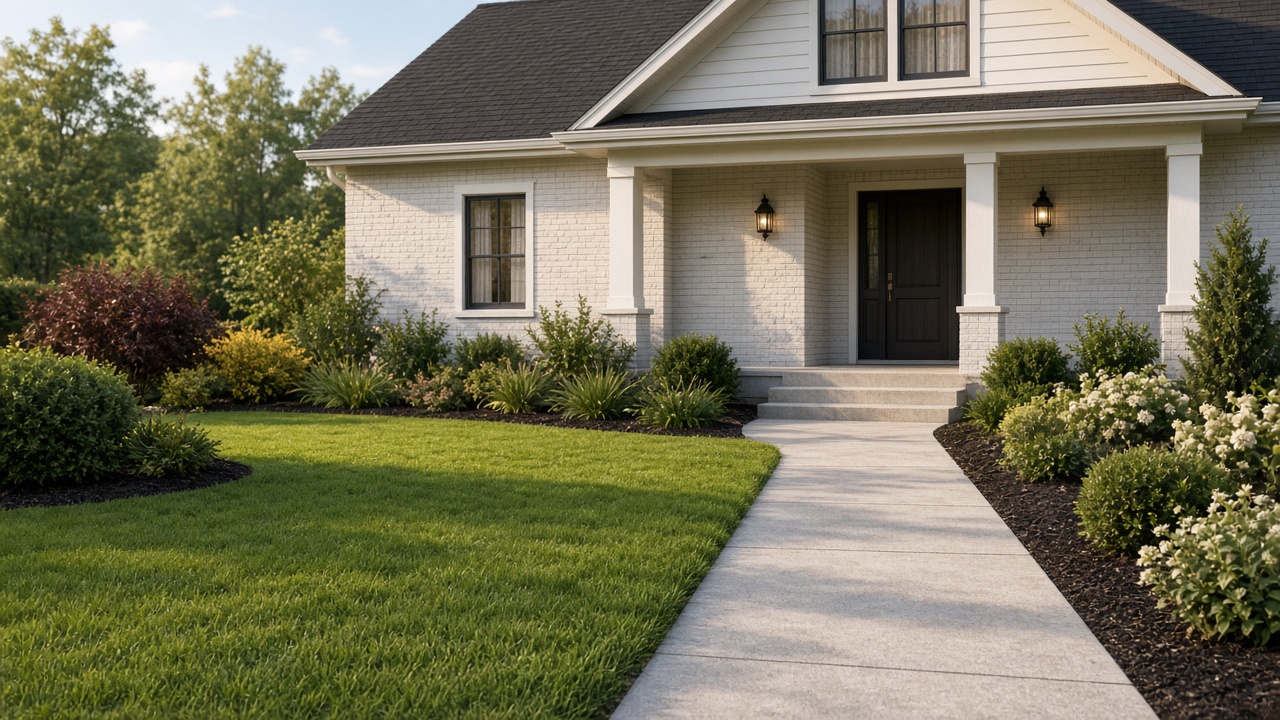
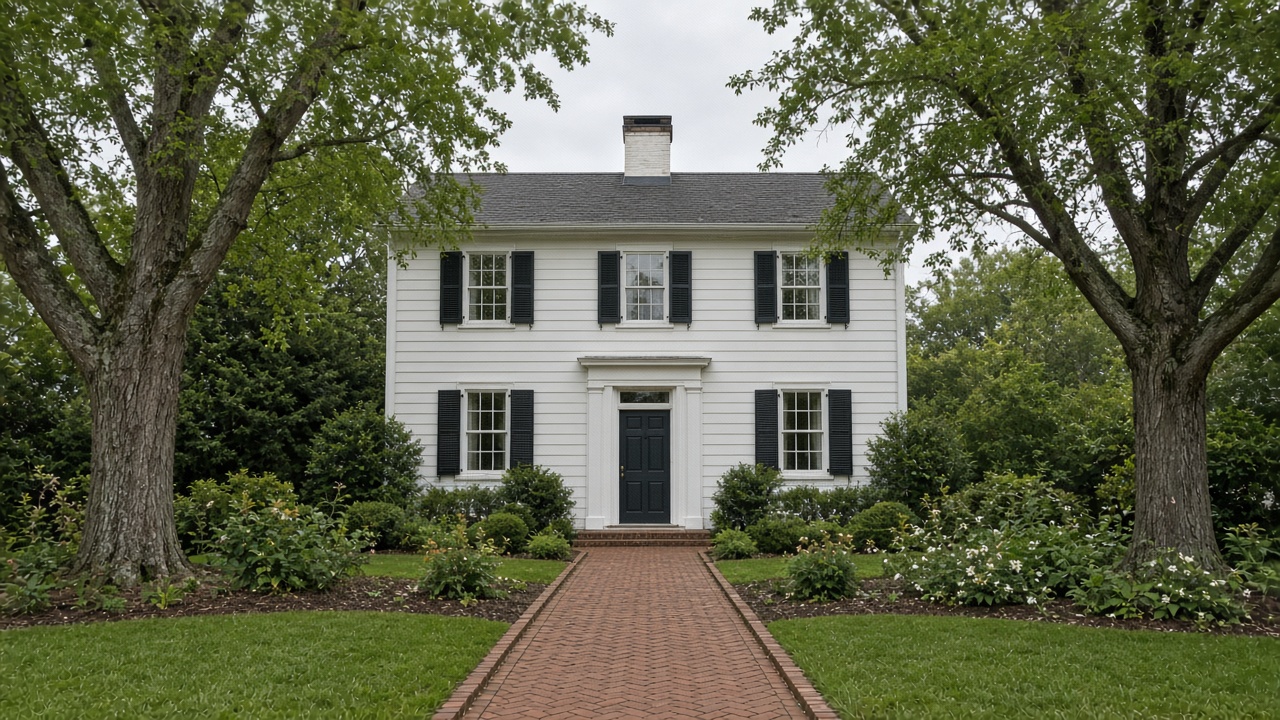
Listings show property. They do not ask whether the visitor wants to buy, sell, or talk about a specific home. A realtor website should include that question besides the list, and a way to book a conversation. The list is not the enquiry.
Takeaways
- Keep the list of homes as a way to show property, not as the only way to reach you.
- Ask buy, sell, or a specific home before you ask for a name.
- Offer a time to talk beside that question, and send the note to the person who will keep it.
- Do not rebuild the site into a second listing service. The list is not the enquiry.
- Read a new note as one sentence: which conversation, which home if any, which time.
What Listings Show and What They Never Ask
Listings show a property. They show rooms, a few facts about the building, and a way to look at the next home. They do not ask what the visitor wants from you. A person can scroll a dozen homes and leave without a path that says I want to buy, I want to sell, or I want to talk about this one.
That gap is the whole problem with a site that is only a list. The visitor who is ready is treated like a browser. The visitor who is curious is given no lighter step than calling a number they have to hunt for. You then hear about them, if you hear at all, as a voicemail that says I saw a house. You do not know which house, or whether they want to see it or list their own.
A specific home on the list is a clue, not an enquiry. Clicking it means they looked. It does not mean they want a showing, a second opinion, or a conversation about selling something else. The page for that home can offer those choices. The grid of homes cannot. If the only button on the home says contact the agent, you have collected a look and called it a lead.
Do not pretend the site is the listing service the industry already uses. You are not replacing that feed. You are standing beside it with a question the feed will not ask. Homes can come and go on the list. The question stays: buy, sell, or this home. Without it, the site is a window. Windows do not book a conversation.
The Realtors page sells the agent's work. This article teaches what the site must do besides show homes. The selling page can point at the list. The list is not the form. Other real estate jobs sit on the Real Estate page, and a property-management handoff or a loan file should not be hiding under a listing.
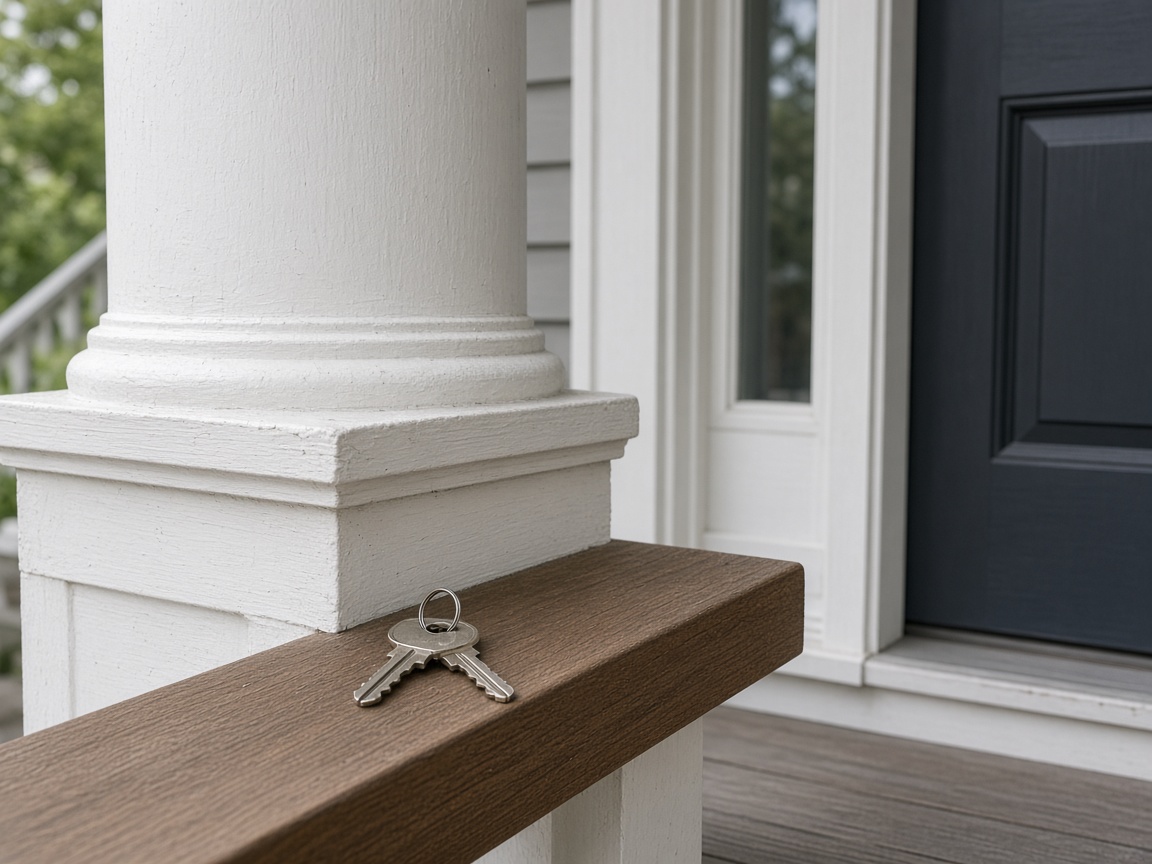
Keys rest on a wood porch rail beside a white column.
Unmarked keys on a porch, the step beyond a listing toward a conversation at the door.
What the Conversation Page Has to Capture
The conversation page has to capture the kind of talk and a time. Kind of talk means buy, sell, or a specific home. Time means a window the visitor offers, not a promise you invent about how fast you will reply. The page can say you will confirm. It should not say the conversation is already kept if nobody has agreed.
For a buyer, ask whether they are starting a search or reacting to a home they already saw. Ask what they need the conversation to decide. Do not ask them to retype every feature of a house the list already shows. For a seller, ask about the property and the timing they have in mind, and whether they are also hoping to buy. For a specific home, ask whether they want to see it, ask a question about it, or talk about something else and only used that page as a door. Those three are different preparations. A showing, a question, and a seller consult do not share a script.
Capture a way to reach them that they will answer, and the name they want used. Stop there. A long application is not a booking. You are not opening a file. You are holding a conversation. If the form demands documents, people who only wanted a time will leave, and you will be back to voicemail.
Put the page where the list already is. On the home, the choices sit under the facts. On the rest of the site, a buyer path and a seller path sit where a person can find them without picking a house at random. A single box in the footer that says questions is the old pile. It does not know which conversation you are booking.
How to Put a Buyer Door and a Seller Door Beside the List
Put the doors beside the list so a person can finish a thought the listing started. Do not bury them on a contact page that never mentions a home.
Build them in this order.
- Write the conversations you actually take: a buyer starting out, a buyer on a specific home, a seller, and a person who is both.
- On each, list the facts you ask on the phone today, and cut any fact the list already shows.
- Add a way to offer a time, with the understanding that you confirm it, and name who receives that note.
- Place the specific-home choices on the home itself, and place the buyer and seller paths where the list is not required.
- Submit a test from a home and a test from the seller path. If they arrive as the same message, the doors are still one form.
Step two keeps you from pretending to be a second listing service. Do not ask the visitor to paste an address the page is already showing, and do not ask them to describe a kitchen they are looking at. Ask what they want to do next. Step four is how the list and the enquiry stay related without becoming the same object. The home can deep-link the choice. The choice is still a booking, not another photo.
Step five is the proof. Open the two tests. One should read as a home and a reason to talk. The other should read as a seller and a timing. If both say new lead from website, you added a button to the list and called it a path. The person who will take the conversation should be able to prepare without calling you first to ask what the visitor wanted.
Which Note Belongs Next to a Home
The note next to a home should say what the visitor wants done with that look. Anything else belongs on its own door, or it will be misread as interest in the property on the screen.
| What the visitor wants | Where the question sits | What the note must contain | What it must not pretend |
|---|---|---|---|
| To talk about this home | On that home | The home, see it or ask a question, a time | That looking was a booking |
| To start buying | A buyer path, no home required | Search or not, what the talk should decide, a time | That your site is the full list of every home |
| To sell | A seller path | The property, the timing, whether they also want to buy | That a listing is already live |
| Both buy and sell | A choice that can be both | Which they want to start with, a time | That one script covers both jobs |
| Something that is not a sale | Point them off this form | Nothing, if you do not do that work | That an agent consult is a management handoff or a loan |
Read a week of notes against the table. A message that says love this house, with no time and no choice, is a look. Reply by offering the choices, and change the home page so the next person cannot send only a compliment. A seller who picked a random listing because it was the only form is a sign the seller path is hard to find. Move the path. Do not scold the note.
The list can keep doing what it does well, which is showing property. The enquiry is the row you can point to. If you cannot point, the site is still only a list, and the conversation is still something you arrange by phone tag after the fact.
What the Booked Conversation Should Already Contain
The booked conversation should already contain the kind of talk, the home if there is one, and the time they offered. You confirm. You do not interview them from scratch about why they wrote.
Before you call or sit down, you should be able to say the sentence. Buyer, starting a search, offered a morning this week. Or this home, wants to see it, offered a late afternoon. Or seller, this property, also hoping to buy, offered a time to start with the sale. If the sentence is missing a piece, the form let them through without it. Make that piece required, unless you have a reason to allow a question with no time, and then label it as a question rather than a booking.
Watch for notes that are really someone else's door. A person who wants a property managed, or who wants to talk about borrowing, used your list because it was public. Your reply can point them to the right kind of firm. It should not become a fake buyer appointment. The realtor site is allowed to be narrow. Narrow is how a showing stays a showing.
After a few weeks, compare conversations you actually held with notes the site sent. A listing with many looks and no booked talks may need the choices made obvious. A pile of bookings with no home and no buy-or-sell answer means a general form is still winning. Close that form. The list remains. The enquiry is the conversation you can prepare for, beside it, without pretending you replaced the place where homes are published.
Questions
What Do Listings Fail to Ask the Visitor?
Whether they want to buy, sell, or talk about that specific home. A list shows property. A click is a look, not a booking. Without the question, you get a voicemail that says they saw a house, and you still do not know which conversation they wanted.
What Should Sit Beside the List Besides More Homes?
A buyer path, a seller path, and choices on the home itself: see it, ask a question, or talk about something else. Each one should collect a time to confirm. None of them should try to be a second listing service.
How Is a Booking Different From a Contact Box?
A booking names the conversation and a time. A contact box collects a story and leaves you to guess. If the home page and the seller page produce the same message, you have one box with two labels, and the list is still the only real page.
What Should You Refuse to Copy From a Listing Feed?
The job of being the place every home is published. Ask what the visitor wants next, not for a second copy of facts already on the screen. The site stands beside the list. It does not replace it.
What Should You Know Before the Conversation Starts?
The kind of talk, the home if they named one, and the time they offered. You confirm that sentence. You should not be discovering, in the first minute, whether they hoped to buy, sell, or see the property they clicked.
Conclusion
Listings show property, and they do not ask whether the visitor wants to buy, sell, or talk about a specific home. A realtor site needs that question and a way to book the conversation, beside the list. The list is not the enquiry. You now know what the site must do besides show homes.
When you are ready to add a way to capture a buyer or a seller without pretending to be the MLS, Speak With Us.