
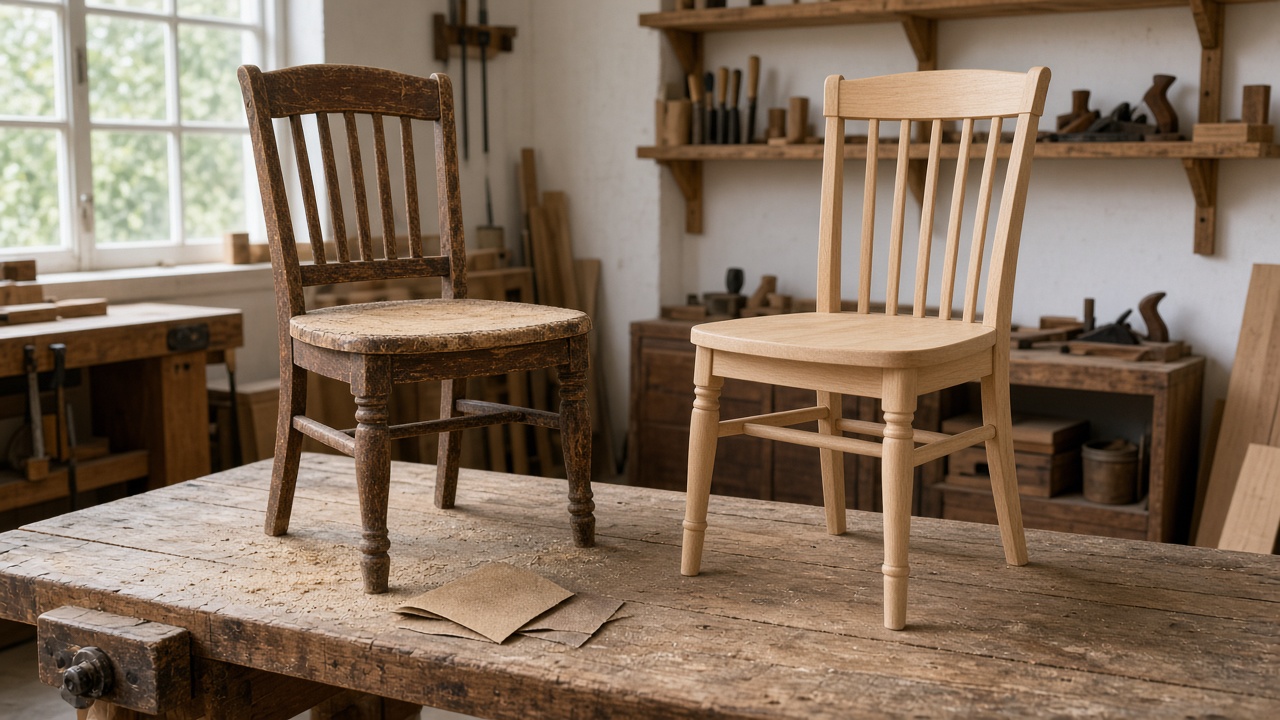
Start a new website only when the web address itself is wrong or the content cannot be mapped to real services, and otherwise keep the URLs that still apply. The choice people frame as website redesign vs new website is usually offered as a fresh start. A fresh start throws away addresses that may still be telling the truth. You will know which choice matches the site you have.
Takeaways
- Redesign when useful URLs still describe real services. Keep those addresses and replace the rest.
- Start over when the domain says the wrong thing, or when the pages cannot be mapped to work you do.
- A new coat of paint is neither choice. Vague copy survives both unless you refuse it.
- Neither path recovers rankings by itself. Do not buy a new domain as a search promise.
Two Different Choices
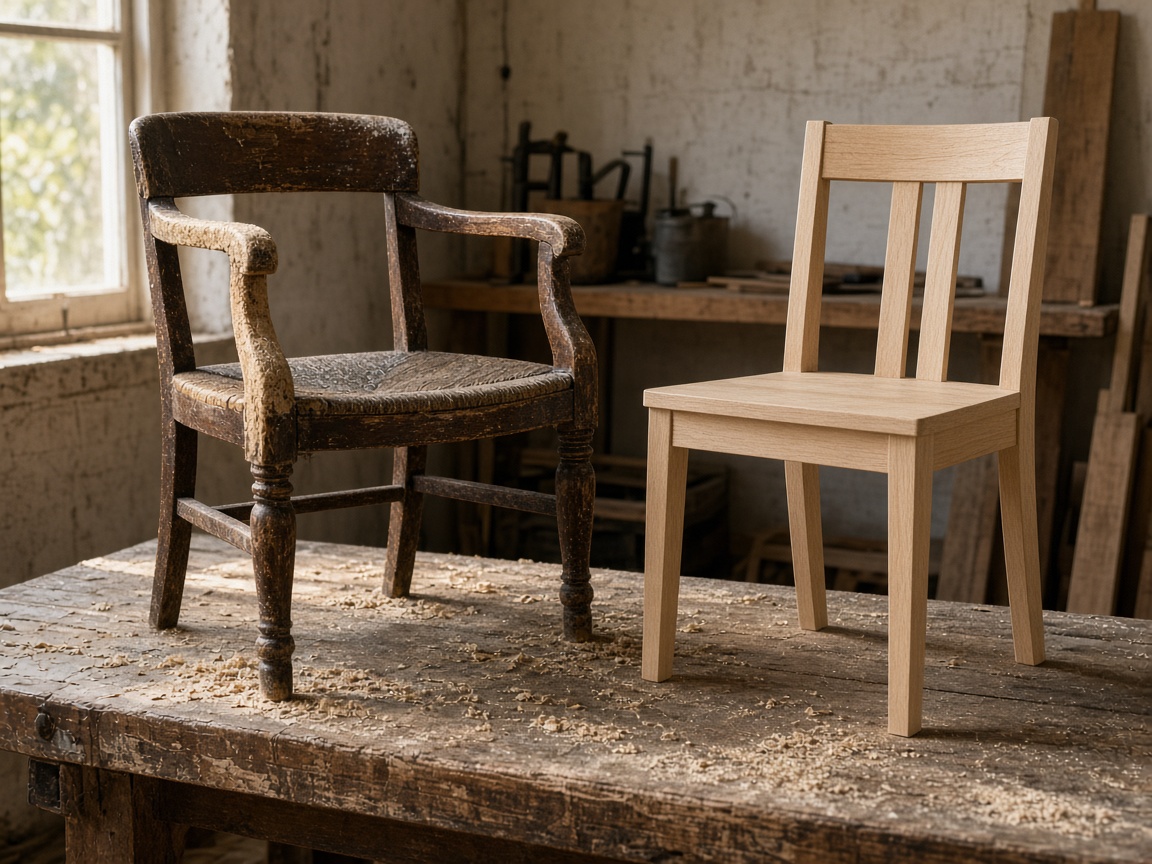
A redesign and a new website solve different problems. Website Redesign keeps the URLs which still apply and replaces the pages that no longer say what you do. A new website, on a new domain, throws the addresses away and asks everyone to learn a new front door. Those are not two styles of the same project. They are different amounts of loss.
People recommend the new site when they are tired of the old one. Tired is not a diagnosis. Look at the domain and the pages separately. The domain is the name on the door. The pages are the explanations behind it. You can replace the explanations without changing the door. You should change the door only when the name itself is the problem.
Website Design still governs both options. A site is a set of pages with jobs: explain the work and start a conversation. A new domain with the same vague jobs is a move, not an improvement. A redesign that keeps vague jobs at the old URLs is paint. The choice only matters after you know which pages say something true.
Ask the person who told you to start over what, exactly, is wrong with the current addresses. If they cannot name a URL that lies, or a domain that misnames the firm, they are selling a reset. Resets feel decisive. They are expensive in the ordinary sense that you lose the paths people already use.
Keep the URLs That Still Apply
Default to keeping a URL when it still describes a real service. The explanation can be rewritten. The next step can be made obvious. The look can change. The address can stay, so a person who saved it, a partner who linked it, and a customer who remembers it all still arrive at the truth. That continuity is the advantage of a redesign, and it is the thing a new domain spends.
Map each current URL to a service you still offer. Where the map is clean, that URL belongs in the redesign. Where the map is messy because one page talks about three services, split the explanation and keep the address for the service that best matches the title. Where the map fails because you no longer do the thing, plan the replacement. This is ordinary sorting. It does not require a new name.
Do not keep a URL out of superstition. "It has always been there" is not the test. The test is whether a stranger learns a true thing. A page that has always been vague has always been a candidate to replace. Keeping the address of a true page and replacing the address of an empty one is the redesign. Keeping both untouched is neglect.
A new visual system can sit on the kept URLs. Visitors do not need the old colors in order to trust the address. They need the address to remain the place the explanation lives. Change the room. Leave the door number when the door number is right.
When Starting Over Is the Honest Move
Start over when the address itself is wrong. The domain names a product you killed, a partner who left, or a joke that no longer fits the firm. People who hear the name get a false idea before they read a word. In that case a redesign at the old domain preserves the mistake. A new website, with a name that matches the work, is the honest move, and the old name should send people to the new one rather than compete with it.
Start over, also, when the content cannot be mapped to real services. You open the list of URLs and almost none of them correspond to work you would accept next month. The site is a scrapbook. Mapping it would mean inventing services to justify pages. That is the moment a new site is cleaner than a rescue, because there is nothing true to rescue except the facts in your head.
Even then, write the new site from the jobs, not from a desire to look unrelated to the past. The pages still have to explain the work. A blank domain does not make the sentences easier. It only removes the old ones, which helps if the old ones were false and does nothing if you have not written the new ones.
Be slow about this branch. Owners reach for it when they are embarrassed. Embarrassment is not the same as a wrong address or an unmappable site. If you can mark even a handful of URLs as true, you are in the redesign branch. Use it.
When a Redesign Is Enough
A redesign is enough when the domain can stay and a real subset of the pages can stay. That subset might be smaller than you hope. It might be the homepage's topic plus four service URLs, while a dozen old posts and campaign pages get replaced. That is still a redesign. You do not need the majority of the old site to be worth keeping. You need the kept part to be true, and the domain to still be the right name.
It is also enough when the pain is the editing path. The sentences are roughly true and the address is right, but nobody can change a page without breaking it. That problem wants a rebuild of the stack at the same URLs, not a new domain. WordPress Development is relevant when editors need to change pages without breaking the layout. Moving the name would not have fixed the editor.
Paint is not enough, and it is not a third brave option. A new coat of paint on the same vague copy is not a redesign, and it is not a new website either. If the proposal changes colors and keeps every URL, including the ones that no longer say what you do, you have not chosen yet. Go back to the map.
You will feel pressure to pick the larger project because it sounds more serious. Serious is the map. A redesign that keeps the true URLs and deletes the false ones is more serious than a new domain that reprints every old page. Count the true pages, not the drama.
What You Throw Away With a New Domain
Say the loss before you accept it. A new domain means every old URL stops being the front door. People who bookmarked a service page, partners who linked to it, and any habit of typing the old name now depend on you sending them onward, one address at a time, to a page that matches. If you do not do that work, you did not start fresh. You abandoned the old doors.
You also throw away the assumption that the name and the firm are the same thing in a customer's mouth. Retraining that is a real project, larger than the website. If the old name is merely unfashionable, you may not want that project. If the old name is false, you do.
Do not throw the old site away as a search strategy. Do not promise that a redesign recovers rankings, and do not promise that a new domain does either. Search Engine Optimization is the discipline that cares whether a page matches a query. Changing the name is not that discipline. A pitch that offers a clean slate in the results is a pitch about a feeling.
| What is wrong | Redesign, same domain | New website, new domain |
|---|---|---|
| Some pages no longer say what you do | Keep the true URLs and replace the rest | Too much loss if the domain is still right |
| The domain names the wrong firm or a dead product | The name would still be wrong | This is the case for starting over, and for sending the old name onward |
| Almost no page maps to a real service | You would be inventing pages to save addresses | A new site built from the real services is cleaner |
| The look is tired and the sentences are true | Change the look at the same URLs | A new domain does not fix a look |
Match the Choice to the Site You Have
You can match the choice in one pass through the site you already have. Do not start from a template gallery or from a domain that happens to be available. Start from the name and the list.
Use this pass:
- Read the domain out loud and ask whether it names the firm you are now. If it does not, a new website is in play.
- List the URLs and try to map each one to a service you still sell. Count the ones that map.
- If a meaningful set maps, redesign: keep those URLs, rewrite what is weak, replace what is false.
- If almost nothing maps, and the domain is also wrong, start the new site from the services, and plan where each old URL sends people.
- Refuse both options if the only change is paint on vague copy.
You will know which choice matches the site you have. Most firms who are told to start over are actually in the redesign row. The ones who belong on a new domain can say why in a sentence about the name or about the map. If you cannot say that sentence, keep the URLs that still apply.
Questions
Is a New Domain a Cleaner Redesign?
It is a different project: a redesign keeps useful URLs, and a new domain throws them away. Cleaner is only true when the old name is wrong or the pages cannot be mapped to real services. If the name is fine and some pages are true, the new domain is extra loss.
What If Almost Every Page Feels Embarrassing?
Embarrassment is a reason to read them, not an automatic reason to move. Map each URL to a service you still offer, rewrite the ones that map, and replace the ones that do not. Move the domain only if the name itself is false, or if the map comes up empty.
Should the Old Address Send People to the New One?
Yes, when you do start over and a specific old URL has a true counterpart. Send that address to the matching page, not everything to the homepage. If there is no counterpart, do not invent one. A careless forward teaches the wrong service.
Will Starting Over Recover Rankings?
Do not plan on it. A new domain is not a search strategy, a redesign is not one either, and keeping true URLs is the careful habit rather than a forecast. A pitch that sells either choice as a recovery is larger than the work.
Can You Rebuild the Site and Keep the Domain?
Yes, and that is the usual redesign. The stack can change, the look can change, and the weak pages can be replaced, while the domain and the true URLs stay. Keeping the domain is the point when the name is still right, and you do not need a new address to do serious work.
Conclusion
Start over only when the address itself is wrong or the content cannot be mapped to real services. Otherwise keep the URLs that still apply, and replace the pages that do not. That match, not the urge for a fresh start, is how you know which project you are in.
If you want help choosing between a redesign that keeps useful URLs and a new site that throws them away, Speak With Us.