
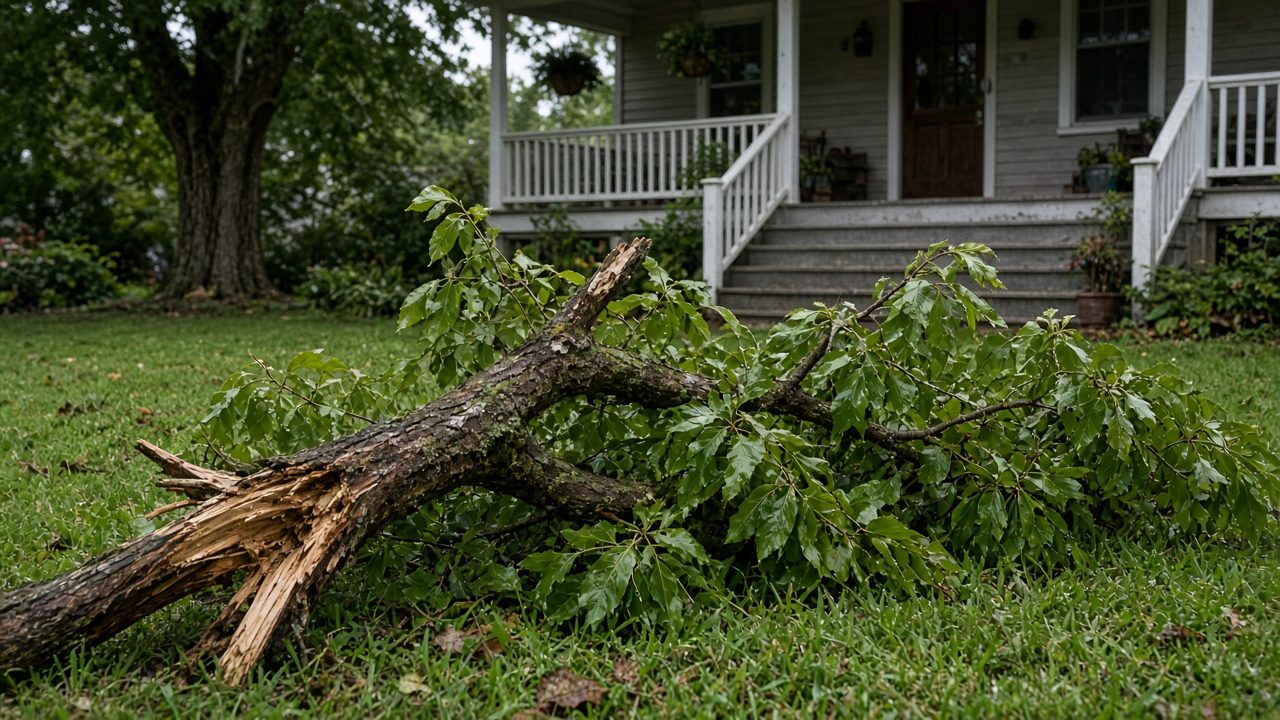
A tree company should market emergency work when it truly answers those calls and the page can move a frightened person to the right next step. It should market scheduled work when the week is booked ahead and the emergency path is a separate door. The homepage leads with one of those moods. Before any promotion, the page, the next step, and the work have to say the same thing. Triwave Consulting looks at that agreement first.
Takeaways
- Lead with emergency only if someone will answer in the way the page describes.
- Lead with scheduled work when that is the job you want and can staff.
- Give each mood its own path, even when one phone line receives both.
- Keep the other job findable without making it compete with the lead.
What an Emergency Page Has to Do Fast
An emergency page has to tell a shaken person what to do next, in the first sentences, without a tour of your services. Say whether you are taking emergency calls now. Say how to reach a person. Say what you need them to tell you: what happened, what the tree is touching, and whether people are out of the way. The rest of the site can wait. This page is a path, and a path that starts with a company history fails the person who opened it.
Be plain about what you will not decide from a headline. You will not know the crew's timing until a person has heard the situation. Say that a real reply follows the call or the form, and say what that reply is allowed to promise. If you only return emergency calls during certain hours, say the hours in words a person can understand. A page that implies someone is always waiting, when the phone goes to a mailbox, creates a worse emergency: a caller who thinks help is coming.
One clear way to reach you belongs in the first screen, plus a single line toward scheduled work for the person who is not in a crisis. Tree Services is the offer when you want this path to match how you answer. If a power line or a similar hazard is involved, say you are not the first call for that hazard. Point the reader to the utility or emergency services, and have them contact you about the tree once people are safe.
What a Scheduled-Work Page Has to Do Carefully
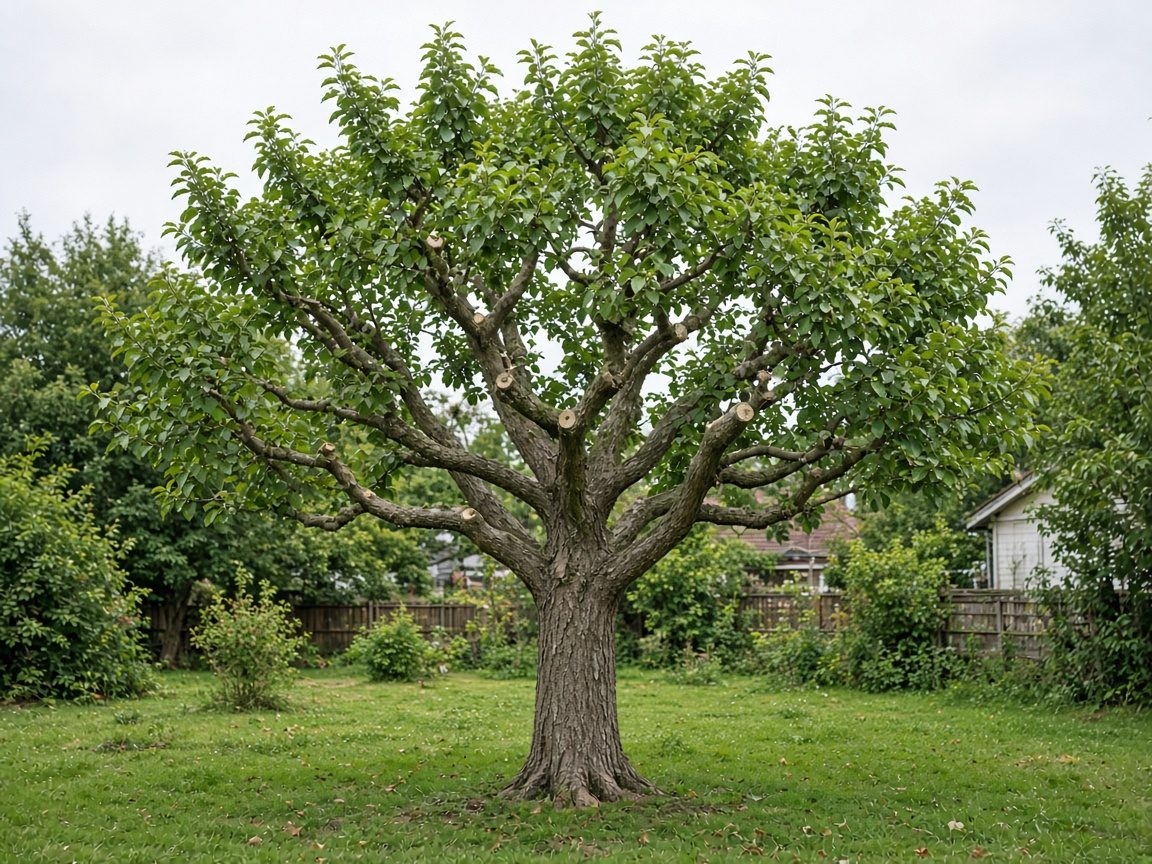
A scheduled-work page has to slow the reader down just enough to name the job. Removal, pruning, or the other work you book ahead each need a clear description and a next step that is an estimate, not a siren. Say what the visit or the call will sort. Say what you need: access, what the customer wants left or taken, and when they hope to have it done. Careful does not mean long. It means the reader cannot mistake this page for an emergency desk.
Explain the pace you keep. Estimates may wait until the crews are done for the day. Work may be booked out. Say that in ordinary language, with the timing you actually keep. A scheduled page that borrows emergency urgency will fill your quote list with people who think they are in danger, and it will disappoint people who needed a calm plan. The tone is part of the offer.
Show the work you schedule, with captions and a form that asks which job. Keep a visible link to the emergency path for the person who realizes the tree is on the house. One line, easy to see, keeps that path available without making it the headline.
The form should ask for the job and the facts, then tell the sender what happens next. A person will reply. They may need a visit. They will not treat a routine request as a crisis unless the facts say so. That sentence trains the right mood before anyone picks up the phone.
When Emergency Should Lead
Emergency should lead when it is a real part of the week and you can answer it the way the homepage claims. If storm calls, night calls, or "the tree is on the structure" calls are work you staff, the first screen can be for those people. Everyone else can take a second path. Leading with emergency is a promise about availability. Make it only if the promise is true this month, not only in the month you wish you were set up for it.
A homepage that hides the urgent path in the footer fails the person who needed it. The headline, the first button, and the first sentence of the reply should recognize that job. Scheduled work stays one clear step away for people who are planning.
Choose emergency as the lead only with a definition. Write what counts: a tree on a structure, a blocked way in or out, a hang-up over a place people must use. Leave "I would like this done soon" off that list. If everything is an emergency, nothing is, and the crew cannot tell which call to take first. The page should use your definition so the caller can see whether they fit it.
Review the lead when the season changes. A company that wants emergency calls after storms and scheduled work the rest of the year can change the homepage with the season. Say so, and change it when the season turns. An emergency headline left up in a quiet month teaches the wrong mood and fills the book with impatient routine work.
When Scheduled Work Should Lead
Scheduled work should lead when it is the business you are built to do, and emergency is the exception you still accept. The homepage then sells the estimate, the removal, or the prune, and the emergency path is present without taking over. This is the right lead when your best week is a full book of planned jobs and an emergency call is something you fit around that book, or hand to a defined process.
Lead with scheduled work when emergency calls pull the crew off jobs you already promised. A homepage that invites more of those interruptions will make the problem worse. You can still serve a true emergency. You do it through a path that states your limits, not through a headline that invites every worried caller to expect the same speed. The scheduled lead protects the promises you have already made.
Scheduled work should lead when you are trying to change the mix. If the phone has trained the market to think of you as the crisis crew, the site has to retrain it. The first screen names the planned job. The emergency line is available and honest about response. Over time the inquiries start to match the week you want. The site cannot do that if the headline keeps selling the old mix.
Use this lead when the person who answers can explain a scheduled estimate without apologizing. Calm words, a clear job, and a next step that is an estimate: that is a scheduled lead. Faster language in the headline is a different offer.
What Breaks If One Number Tries to Serve Both Moods
One phone line can receive both kinds of calls. It breaks when one greeting, one script, and one promise try to serve both moods. The emergency caller hears a scheduling speech and feels ignored. The scheduled caller hears a crisis greeting and thinks their prune is being treated like a disaster, or they wait behind calls that are not theirs. The person answering has no way to know which script to open until the caller has already grown impatient.
The page causes the same break when both moods share a button that says nothing about which job it is. A blank form can be either mood, and you discover which one after someone is already frustrated.
Separate the moods even when the line is shared.
| What the caller needs | What the path should do | What fails |
|---|---|---|
| A tree is down or on a structure | Ask for the facts and reach a person who can respond | A gallery, a menu, or a promise you do not keep |
| A planned removal or prune | Name the job and the estimate step | Emergency language that implies immediate arrival |
| Unsure which it is | Offer both paths in one plain sentence | A single button with no description |
| After the hours you cover | Say so, and say what still happens to the message | Silence that looks like a yes |
| A hazard that is not tree work | Point them to the right first call | Instructions for work you do not do |
Home & Property Maintenance is the wider offer when the question is whether the site and the crew agree. For a tree company, the repair is two paths and one honest line. This article teaches which path leads. The offer page is where you ask for help building it.
How to Pick the Lead Without Hiding the Other Job
Pick the lead by naming the call you want the homepage to attract this season, and by checking that you can answer it. Then build a second path that a person can find in one look. Hiding the other job creates the wrong calls in a different way: people force their situation into the only door you left open. Visibility without competition is the goal. The lead is larger. The other job is labeled and one step away.
Use this order.
- Write the mood you will lead with, emergency or scheduled, and the sentence that defines it.
- Write the other job in one sentence, including the limit on how you respond.
- Put the lead in the headline, the first button, and the first line of the reply.
- Put the other job in a visible link or a short block, with its own next step.
- Teach the person who answers which script matches which path.
- After a stretch of real calls, confirm that each mood is landing in its own path, and adjust the words that leak.
If step six shows emergencies buried in the estimate form, the emergency path is too quiet. If scheduled work is arriving as panic, the headline is too hot. Change the words before you change the promotion. The order with Triwave Consulting is initial contact, then a detailed discussion, then implementation. You bring the mood you can answer. The discussion settles the two paths. Implementation puts them on the page and in the greeting. Until that is done, answer the phone with the truth you can keep today.
Questions
Can the Homepage Mention Both Jobs?
Yes. One job leads, and the other is easy to find. Equal headlines give the reader no mood to step into and give the office no script to trust. The second job should be a clear door, not a rival banner.
What Should a Caller Hear Outside Working Hours?
They should hear the truth about what happens next. If someone answers emergencies, say how. If messages wait until the next working day, say that, and say it on the page as well as in the greeting. A mailbox that implies a person is on the way is the failure. Match the recording, the page, and the reply you will actually send.
Should Both Moods Use the Same Form?
Use two paths, even if they share a line. The emergency path asks what happened and what the tree is touching. The scheduled path asks which job and what the customer wants done. A single blank form is how a crisis waits behind a routine request.
What If You Stop Taking Emergency Work?
Change the page and the greeting the week you stop. Remove the speed words, and say where an urgent caller should turn if you are willing to point them. Leaving the old headline up will keep producing calls you no longer want, and those calls will crowd the scheduled work you meant to protect. The site has to change on the same day the offer changes.
How Do You Keep the Quiet Job Visible?
Give it a name, a sentence, and a next step that do not depend on the lead. A link in the first screen is enough if the label is plain. Check it the way a stranger would: can you find the quiet job without already knowing it exists. If the answer is no, it is hidden, and people will stuff that job into the lead path.
Conclusion
Lead with the mood you can answer, and keep the other job one clear step away. The page, the next step, and the work have to agree, and that agreement is the gain. With the lead chosen, the offer page can carry the conversation from there.
When the homepage should match the calls you can answer, Speak With Us.