Put removal and pruning on separate pages, and let each page say what that job includes and what the estimate still has to see. A caller should know which job they are asking for before anyone drives out. Before any promotion, the page, the next step, and the work the crew does have to say the same thing. Triwave Consulting looks at that agreement first.
Takeaways
- Treat removal and pruning as different jobs with different pages.
- Say what the crew takes away, and what the customer is asking to have done.
- Use the estimate call to sort the job the page could not see.
- Test both pages against recent calls, and fix the sentence that caused the mismatch.
Why the Two Jobs Get Confused
Callers use the words they have. Trim, cut back, take it down, clean it up, and "just the dead wood" can all describe a prune or a removal, depending on the tree and on what the person is willing to live with. Your crew knows the difference because the tools, the time, and the debris are different. The caller often does not, and a single page titled tree service teaches them that it is all one job.
The confusion also comes from photos. A before-and-after of a tree that is gone looks dramatic, and it gets placed on a page that also talks about light pruning. A visitor sees the stump, or the open sky, and asks for that result when they wanted a shape. Or they see a neatly lifted canopy and ask for a "trim" of a tree that is leaning on a roof. The picture set the job. The words never got a chance.
Your own menu can cause it. If removal and pruning sit in one list, with one form and one phone script, the office receives a blob. Someone then spends the start of the call translating. That translation is the work the pages should have done. Separate the jobs in the navigation, in the headlines, and in the way you answer. Tree Services is the offer for a company ready to make that split real on the site. This article is the decision about what each page has to say.
A caller who picks the wrong page is still a chance to help, as long as the page tells them there is another job. Link the two pages in plain language. If the reader wants the tree gone, send them to removal. If they want it reduced or cleared of dead wood, send them to pruning.
What a Removal Page Has to Say
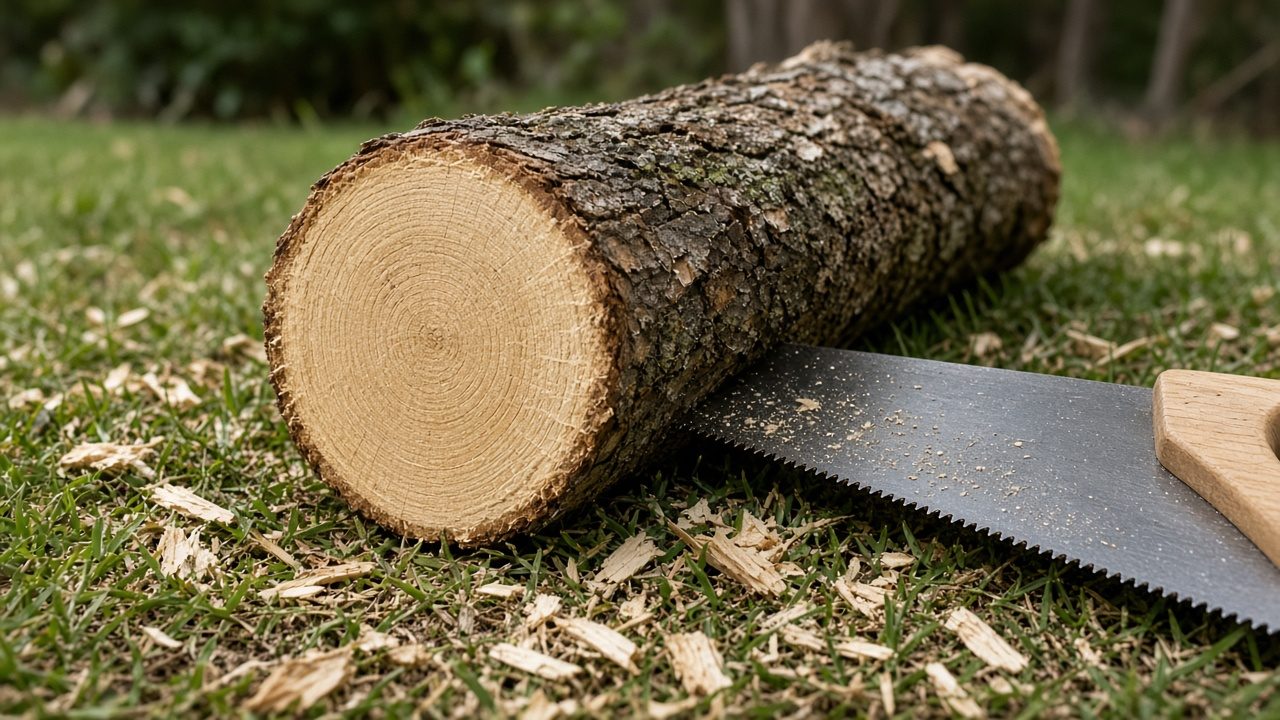
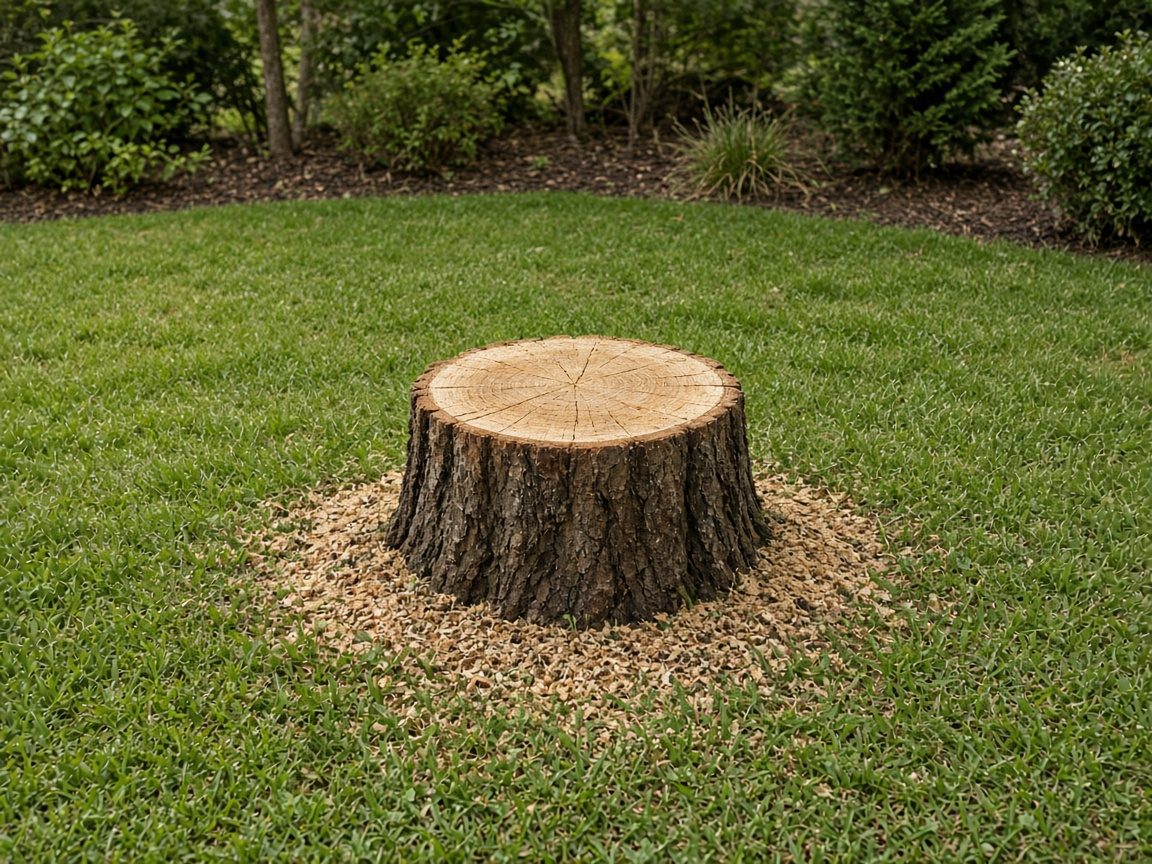
A removal page has to say that the job ends with the tree down, or with the part of the tree the customer named taken out. Say what "down" means in your shop. Some crews take the wood. Some leave rounds. Some grind the stump only when asked. The page should state your usual scope and the pieces that are a separate yes. A caller who pictures a bare spot and a crew who leaves a stump are already in a dispute, and the work has not started.
Say what you need to know before an estimate. Access for the crew and the equipment you bring. What sits near the tree, in the customer's words: a roof, a fence, a line, a garden they want protected. Whether the whole tree goes or a failed section does. You are not asking them to plan the work. You are stopping a prune request from landing in the removal queue, and you are giving the estimator a true picture.
Say what the page will not decide. It will not tell the caller the tree is dangerous, and it will not tell them the tree is fine. That judgment, if you offer it, belongs on the visit or the call, from a person who can see the situation. The page can say you will look, and that the estimate describes the work you are willing to do.
Photos should show removals you did, captioned as removal. A picture from a job your crew does not take will attract work you cannot schedule. Match the picture to the crew you will send.
What a Pruning Page Has to Say
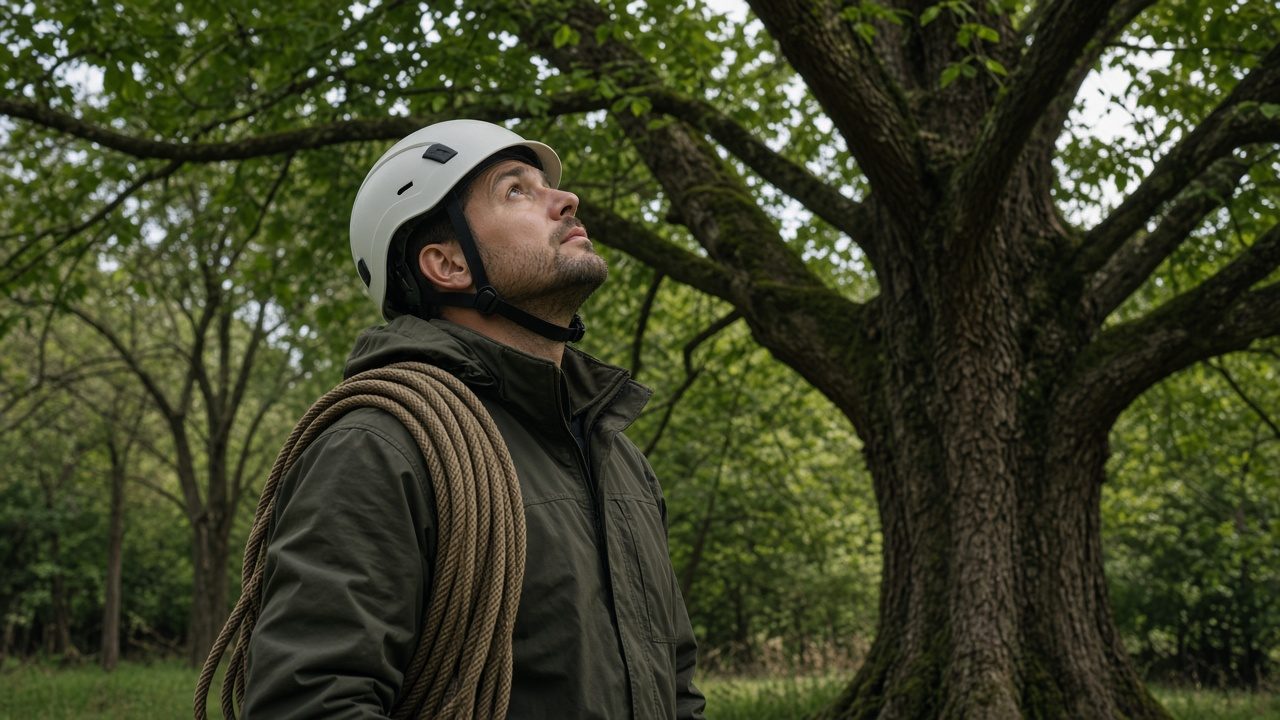
A pruning page has to say that the tree stays, and that the work is a reduction, a clearing, or a cleanup of dead wood, in the words you use with customers. Name the kinds of pruning you sell. Leave out the kinds you do not. If you will not top a tree, say so on this page, because "top it" is a request you will otherwise hear all week. A boundary is part of the offer.
Say what the customer is choosing. Clearance from a roof or a walk. A lighter canopy. Dead wood removed. A shape they can describe. Different goals can be different estimates, even when the tree stays. The page does not need a textbook. It needs the customer to know they are not ordering a removal, and to know which result to ask for. One short list, in your words, is enough.
Say how the estimate looks at a prune. You may need to see the tree, the access, and what the customer wants left. Say whether you price from photos sometimes and from a visit other times, and stick to that rule. If every prune requires a visit, the page should not invite a price from a single picture.
Photos should show trees that remained, captioned with the kind of prune. If a photo mixes a removal and a prune, put it on the page that matches the larger job. Mixed galleries glue the two jobs back together.
What the Estimate Call Has to Sort
The estimate call has to finish the sorting the page began. By the end of the call, you should know whether the customer wants the tree gone or kept, what result they named, and whether you can see enough to price or you need a visit. If you cannot tell, you do not have an estimate yet. You have a story. Ask the next question instead of guessing a job to be helpful.
Sort the words first. Repeat back the job in your vocabulary. "You want the tree removed, including the wood hauled, and the stump left." Or "You want the dead wood out, and the live tree stays." If they correct you, stay on the call until the sentence is stable. The page gave them the two doors. The call confirms which door they walked through.
Use the table as the call's checklist. Every row is a distinction, and none of them is a price.
| What you sort | Removal sounds like | Pruning sounds like |
|---|---|---|
| The tree afterward | It is down, or the named part is gone | The tree stays, with a described change |
| The customer's words | Take it down, remove it, get it off the house | Trim, thin, dead wood, clear the roof |
| The debris | Wood and brush handled the way your page states | Smaller debris from the cuts you named |
| The visit | Access and targets for taking the tree out | Access and the result they want left |
| The next step | An estimate for removal, or a visit to see it | An estimate for the prune, or a visit to see it |
If the call reveals a third job, such as a stump only or a lot cleanup with no tree work, say so and point them to the offer you actually sell. Do not fold it into removal to keep the conversation smooth. Home & Property Maintenance is the broader offer when the real issue is a site that lists work the crew does not do. On the phone, your job is narrower: name the tree job, and stop when the name is right.
How to Test the Pages With the Last Ten Calls
Test the pages with the last ten calls. Write down what the person asked for, which page they saw, and what job you estimated. You are looking for pairs that disagree, and for the sentence that misled someone.
Go through them in order.
- List the last ten tree calls, skipping nothing because it was "just a question."
- Note the caller's words for the job, and whether they wanted the tree gone or kept.
- Note which page or ad they mentioned, if they mentioned one.
- Note the job you estimated, and any moment you had to correct them.
- Mark each call as matched or mismatched.
- Change the page that shows up most often on the mismatched rows, then read that page against the corrected sentence.
A match means they asked for removal and landed on the removal path, or they asked for a prune and landed on the pruning path, and your estimate used the same job. A mismatch means you translated. The translation is the clue. If the mismatches began with a photo, the photo is the problem. If they began with a shared headline, split the headline. Make the change before the next stretch of calls teaches the same lesson.
Read the new pages to the person who answers. If every call still opens by discovering the job, the pages are not sorting yet. The goal is for callers to arrive already sorted, so the call can spend its time on access and the result.
How the Tree Services Page and This Article Split the Job
The Tree Services page is the offer. It is where an owner whose phone gets the wrong job asks Triwave Consulting to look at the agreement between the pages and the estimates. This article teaches the decision: what a removal page has to say, what a pruning page has to say, and how to test both against real calls. You can run that test this week. The offer page is for the conversation after you know which sentences are wrong.
The order of work is initial contact, then a detailed discussion, then implementation. Initial contact is you bringing the two jobs as the crew describes them, plus the calls that got mixed. The discussion settles the sentences, the photos, and the form. Implementation changes the pages and the way the phone opens. Promotion of either job waits until a stranger can pick the right one without your translation.
Keep the pages apart after they are fixed. Merging them back into one tree-care headline will restore the confused calls.
Questions
Should Removal and Pruning Share One Page?
Give them separate pages, and link those pages to each other. A shared page can mention both only long enough to send the reader to the right job. When both jobs share a headline, a photo, and a form, the call has to do the sorting every time. Separate doors make the estimate start closer to the work.
What If the Caller Says Trim and Means Removal?
Believe the correction, not the first word. Repeat the job back in your words until they agree the tree is coming out or staying. Then move them to the page and the estimate that match. If this happens often, the pruning page needs a clearer line about what "trim" means in your shop, and a link to removal for people who want the tree gone.
Do the Photos Have to Stay With One Job?
Yes. A removal photo belongs on the removal page, and a prune photo belongs on the pruning page. Caption each one with the job name you want the caller to use. A gallery that mixes them will keep teaching the wrong request. If you do not have a true photo yet, use words until a real job gives you one.
What Should the Form Ask Before Anything Else?
Ask whether the tree stays or goes, in the same words as the two pages. Then ask about access and what sits nearby, in the customer's language. A single box labeled "tell us about your tree" collects both jobs and several others. The first question is the sort. Everything after it is detail for the job they named.
Who Should Compare the Pages With the Calls?
The person who answers and the person who writes estimates should do it together. One hears the caller's words. The other knows which job was priced. If they disagree about what a page promised, fix the page before anyone makes it prettier.
Conclusion
Put removal and pruning on separate pages that say what each job is, and let the estimate call finish the sort. The page, the next step, and the work have to agree, and that agreement is the gain. When the last calls match the pages, the offer page can carry the conversation from there.
When the removal page and the pruning page should match the estimates, Speak With Us.