A pressure washing page should name the surfaces you wash and the surfaces you leave alone, in words a caller can check before the truck is promised. Photos can show a clean result. They cannot carry the limits by themselves. Before you promote the page, the offer, the booking note, and the work you will actually do on site have to agree.
Takeaways
- Put the surfaces you take, and the ones you decline, where a caller can see them.
- Use the same names on the page, on the form, and in the note that confirms the job.
- Treat a refused job as a draft of the next sentence the page is missing.
- Let the booking step repeat the limits so the truck is not the first place they appear.
Why Limits Belong on the Page
Limits belong on the page because the wrong surface is easiest to refuse before anyone drives out. A caller who wants a roof, a soft deck, or a material you will not touch will ask if the page only shows a bright walkway. Silence reads as a yes. The yes becomes a booking, and the booking becomes a conversation in the driveway that should have happened on the site.
A limit is part of the offer, in the same way a surface you do take is part of the offer. Customers can accept a clear no. They resent a no that arrives after they have waited and described the whole property. Your crew resents it too, because the day was built around a job that was never real.
Put the limits beside the work, not in a footnote nobody opens. The first screen can say what you wash. The next short block can say what you decline. A caller with a fitting job will keep reading. A caller with a mismatched job can stop, which is the page doing its work.
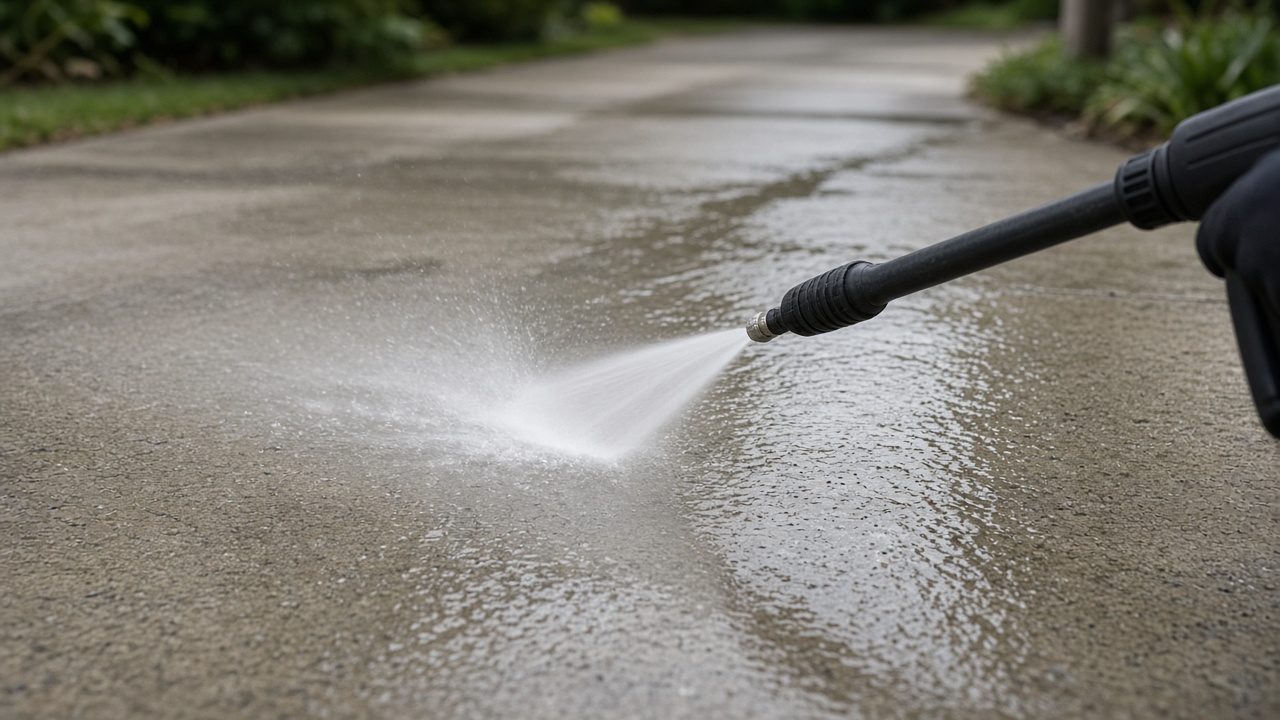
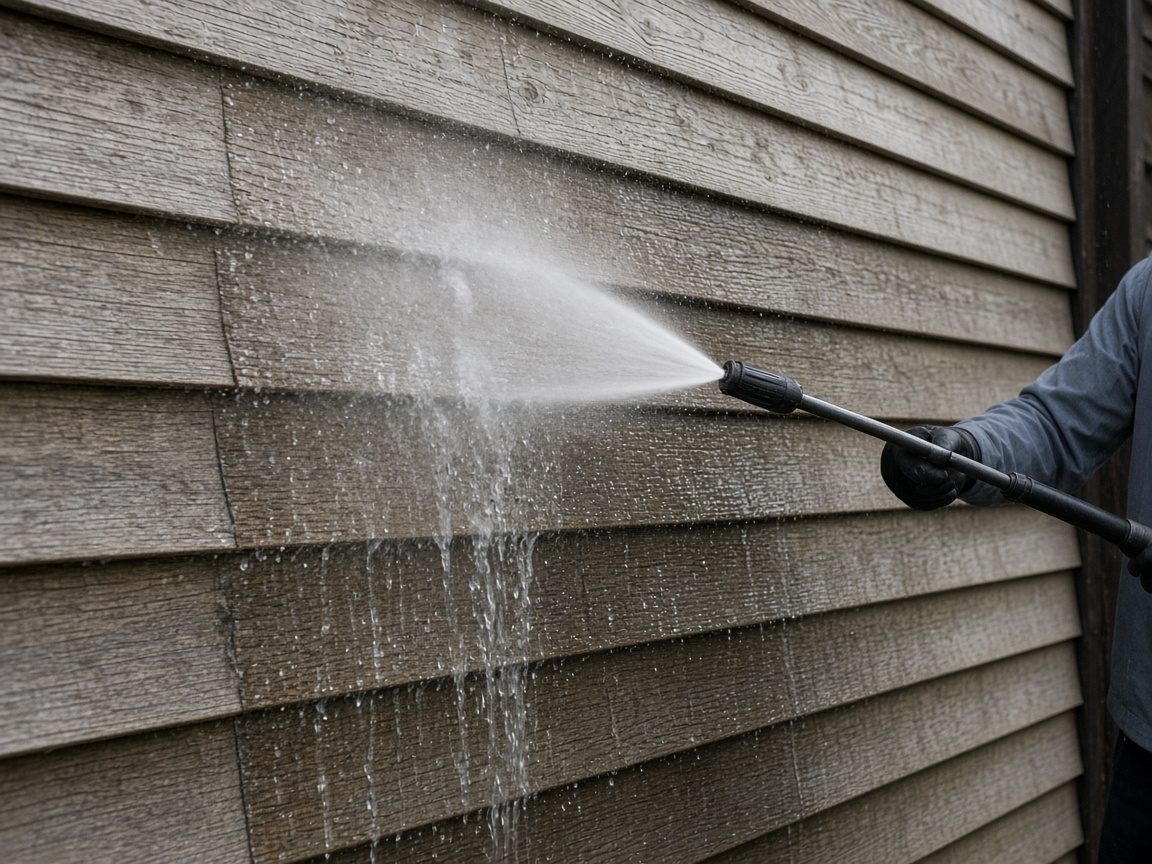
Photos still matter, and they need the limit nearby. A clean concrete surface is a fair picture of concrete work. If the frame also shows a roof, a painted board, or a vehicle you do not wash, the caption has to say those are outside the job. Otherwise the picture recruits the call you have been turning away.
How to Name the Surfaces You Take
Name surfaces in the words you already use when you look at a property. Flat concrete, walks, a patio, the siding material you have decided the crew may wash. A customer should be able to point at their own place and say whether it is on the list. Fancy category names help you less than the words a homeowner already has.
Say what done looks like without turning the page into a lesson in technique. Cleaner than it was, with the growth and the grime lifted from that surface, is a result people understand. Leave the method in the crew's hands. The page is there to match the job, not to train a stranger to do it.
If you take more than one kind of surface, give each its own line. A single phrase such as exterior washing hides the decision. Some callers have a filthy patio and a siding question. They need to see which of those you are agreeing to consider. The line they match is the line they will repeat when they book.
| Surface they may name | Say this if you take it | Say this if you are unsure until you see it |
|---|---|---|
| Flat concrete, a walk, or a patio | Name it as work you schedule | Ask them to describe the material before a day is set |
| Siding you have chosen to wash | Name the material in your own words | Ask for a photo and keep the day tentative |
| A deck or a roof | Name it only when that work is a real offer | Leave it off the yes until you decide |
| A surface missing from your list | Add it only after you would repeat the job | Tell them it is not on the list yet |
An unsure row is still a limit. It means the booking is a conversation, not a promise that the truck will wash whatever is attached to the house. Write that distinction where the button sits, so the click matches the caution.
How to Name the Surfaces You Decline
Name the declines in the same plain language, and name them as surfaces, not as a mood of being careful. If you do not wash roofs, say roofs. If you do not wash a certain siding, say that siding. If you do not wash vehicles, wood that you have chosen to leave, or anything inside the house, say those too. A caller can check a noun against their property. They cannot check a slogan about quality.
Group the declines if the list is long, and keep the groups honest. House exteriors you skip. Roof and height work you skip. Surfaces that need a different trade. The group is a courtesy. The specific word still has to appear, because people search their own situation with a specific word. A roof owner will not recognize themselves in a line that only says some jobs are not a fit.
Say the decline early enough that it saves the call. A page that celebrates every bright before-and-after, then whispers the limits at the bottom, will still draw the whispered jobs. Move the decline up until the people who need it can see it without hunting. The right jobs will not be scared off by a sentence that protects their booking from a mismatch.
When a decline is really a maybe, label it as a conversation. Maybe is not a hidden yes, and it is not a hidden no. It means you will look before you schedule. Put that sentence in the decline block so the rest of the no's stay firm. A block of firm no's with one muddy line at the end teaches people to argue with all of them.
What the Booking Note Has to Repeat
The booking note has to repeat the surfaces you agreed to wash and the surfaces you refused, even though the page already said it. People remember the photo. The note is the agreement that rides with the calendar. If the note only says pressure washing and a time, the limits stayed on the website and the truck left without them.
Write the note in the same nouns as the page. Concrete patio and front walk. Siding left for another look. Roof declined. A customer who reads that note can correct you before the day, which is the cheapest correction you will ever get. A customer who sees only a cheerful confirmation will assume the whole place is in.
The note should also repeat the next step you still owe. If you promised a look before a firm yes, the note should say the visit is to see the surface, not to wash whatever is found. Crews get stuck when a look turns into a job because the note was vague and the customer was ready with the water on. Match the note to the promise you made on the call.
Keep a copy of the note with the job. When a refusal happens anyway, you can see whether the note omitted the limit or the customer asked for something new on arrival. Those are different problems. One means the template is thin. The other means the page needs a line for the new ask, so the next note can refuse it in advance.
A Check Against the Last Jobs You Refused
Check the page against jobs you already turned down. Those jobs are a record of the limits you keep in person and may still be hiding on the site. One refusal is a story. A repeated refusal is a sentence you owe the next caller.
- List recent jobs you refused and the surface that made you refuse.
- Search the page for that surface and add a clear decline if it is missing.
- Read the booking questions and add the surface if the form never asks.
- Read the last confirmation notes and see whether the decline was repeated.
- Remove or caption any photo that makes a declined surface look like the offer.
- Stop when a stranger could refuse the same job using only the page.
Do the first step from the messages you sent when you said no. Those words were written to a real surface. Bring that plainness up to the page.
A dramatic roof or a soft wood surface can make a striking picture and a bad invitation. If you declined that work, the picture has to go or the caption has to disown it.
When the six steps are done, book from the new note on purpose. That repetition is the limit surviving the trip from the page to the property. Drop it, and the old calls return.
How the Pressure Washing Page and This Article Split the Job
The Pressure Washing page is the offer. A person who wants those surfaces uses it to take the next step. This article is the decision underneath: which surfaces and which limits the page, the note, and the crew must share before the truck rolls. Reading about the decision does not put the sentences on your site. Publishing a clean gallery does not finish the decision if the limits live only in your head.
Home & Property Maintenance is the wider group this trade sits in. A request that is really lawn care or a landscape install is a different door. The washing page can say so in a sentence. It should stay about surfaces you wash and surfaces you decline.
Triwave Consulting looks at the agreement before promotion. The page, the next step, and the work have to say the same thing. The order after that is initial contact, then a detailed discussion, then implementation. Initial contact is you bringing the surfaces you take, the ones you refuse, and a job that got booked anyway. A detailed discussion writes the lines the page and the note will share. Implementation puts those lines where the caller and the crew both see them.
Bring one refused job and the current page. The gap between them is the edit. When the gap is gone, the right caller can book, and the wrong surface has a sentence waiting for it.
Questions
Should the Page List Every Surface on a House?
List the surfaces you are willing to wash and the ones you decline often enough to be tired of explaining. A house has more materials than a page should invent opinions about. If a surface has never come up, you can leave it until a real ask arrives, then add a yes, a no, or a we will look first.
What If a Caller Asks for a Surface You Decline?
Repeat the decline in the same words as the page, and offer the surfaces you do take if they still have that work. Do not soften the no into a visit that will end in the same no. A caller who also has a patio you do wash can book the patio. The declined surface stays off the note.
Can the Booking Note Be Shorter Than the Page?
It can be shorter, and it cannot be vaguer. The note needs the surfaces in and the surfaces out, in the nouns the page used. Friendly filler can go. The limit cannot go, because the note is what the customer and the crew will both treat as the job.
How Do You Talk About Limits Without Losing the Right Job?
Say the limits as facts about surfaces, next to the work you want. The right caller is trying to match their patio, walk, or siding to your list. A clear no on a roof helps them trust the yes on the concrete. Hiding the no forces them to guess, and guessing is what brings the mismatched truck roll.
What If a Past Job Crossed a Limit You Now Keep?
Stop offering that result: caption or remove the photo, and put the limit on the page and in the note. People will ask for what you once did, and you can point them at the surfaces you still wash. Leaving the old job unmarked teaches the old limit.
Conclusion
Say which surfaces you wash and which limits you keep, on the page and again in the booking note, before the truck rolls. The offer, the confirmation, and the work on site have to name the same surfaces. A refused job belongs in that language, where the next caller can see it.
When you want the pressure washing page and the booking note to share the same surfaces and limits, Speak With Us.