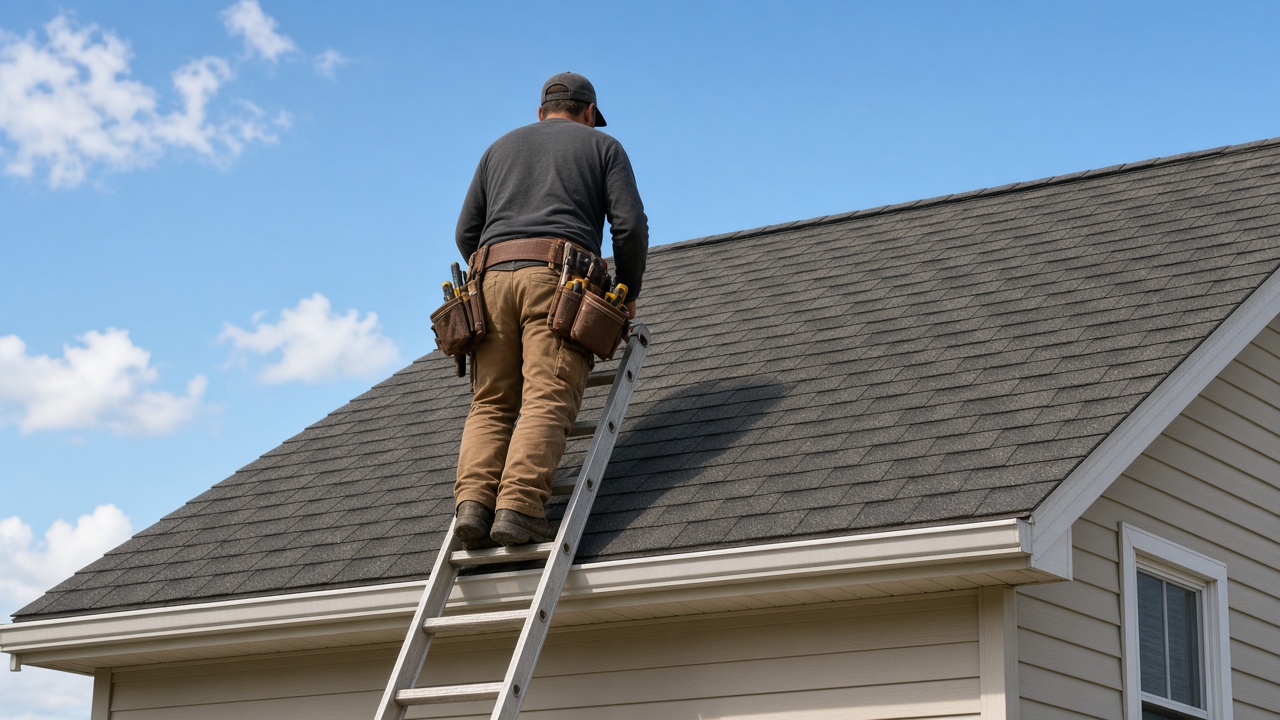
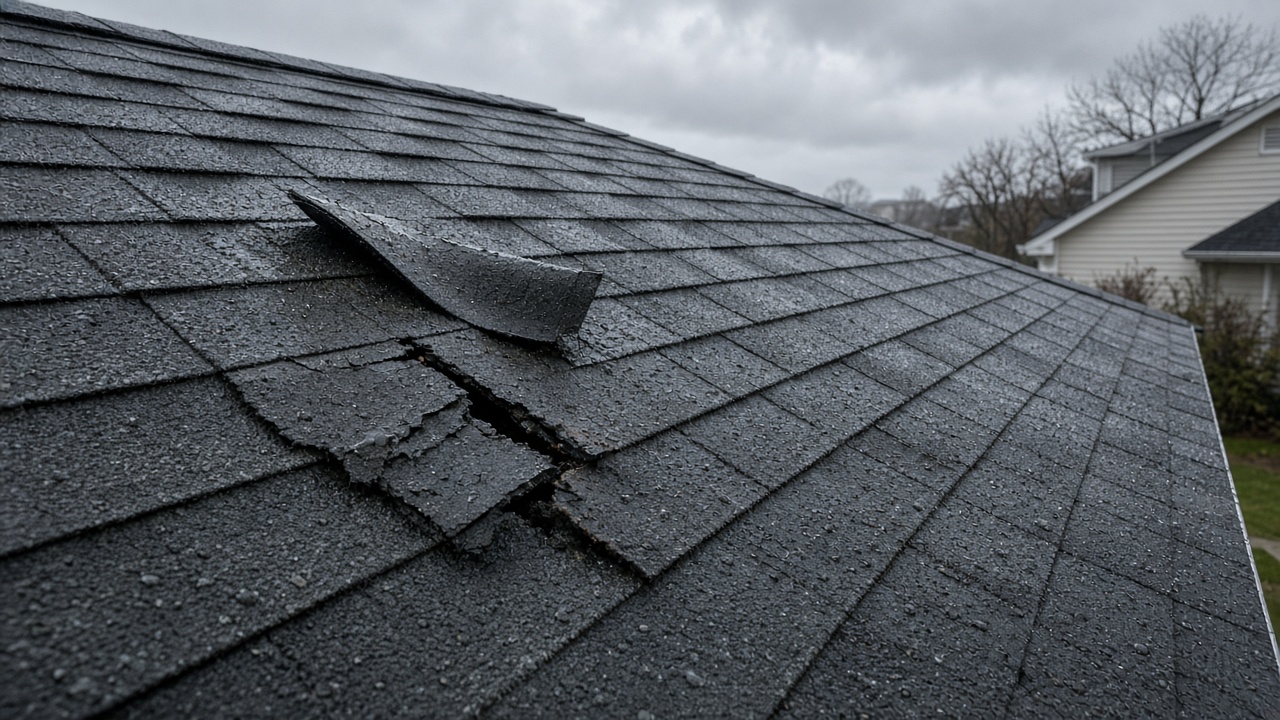
A roofing company should buy storm leads only after its own page can tell a leak today from a replacement this year. A bought storm lead often arrives as a name after a weather event. It does not say whether something is leaking today or the homeowner wants a replacement this year. Your own page can ask that, and a vendor cannot fix a page that treats both as the same inspection.
This guide covers what a bought storm lead usually is, what your inspection page can ask, how damage differs from a planned replacement, and how to compare the vendor with your page.
Takeaways
- Expect a bought storm lead to be a name after the weather, not a description of the visit.
- Ask on your own page whether something is leaking today or a replacement is the plan for this year.
- Do not let a vendor's inspection offer erase that difference.
- Fix a page that treats both as the same inspection before you buy names that will do the same.
- Keep a lead only when it is a job your doors are not built to ask, and still record the missing facts.
What a Bought Storm Lead Usually Is
A bought storm lead is usually a name, a number, and a timestamp after weather moved through. Sometimes it includes a rough hint of interest, such as roof, leak, inspection, or hail, without a sentence you can dispatch on. It does not say whether water is coming in today, whether shingles disappeared, or whether the homeowner has been planning a replacement and the weather gave them a reason to talk. You discover that on the callback, if they answer, and if they have not already booked someone else who bought the same name.
The word "inspection" is the trap. It sounds like one visit, but in your shop it is at least two. A look at fresh damage, with water in a room or debris on the roof, is a storm visit. A look at an aging roof the owner wants to replace this year is an estimate. The lead's inspection flag covers both, so the crew loads for whichever habit is louder that week, and wet houses wait behind dry conversations, or estimators climb roofs that needed a cover first.
Shared or exclusive, the lead still skipped the question. Exclusive only means fewer companies dial the same person. It does not mean the vendor asked what changed and when, how old the roof is, or when the household can host a crew. If those facts are absent, exclusivity is a quieter version of the same blank, and your sheet has to capture them after the fact, which is the work your page could have done first.
A cover crew and an estimator do not pack the same morning. The cover crew needs to know if water is indoors and whether the deck is open, while the estimator needs the age and whether the household can host a multi-day job later in the year. A lead that says "inspection" chooses neither pack, so the first person free becomes the plan.
Open a batch from the last weather event and sort it with two marks only: leaking today, or replacement this year. A third mark, "cannot tell," will be the largest, and that third mark is the product. Buying another batch without a page that shrinks it means you are staffing the third mark on purpose.
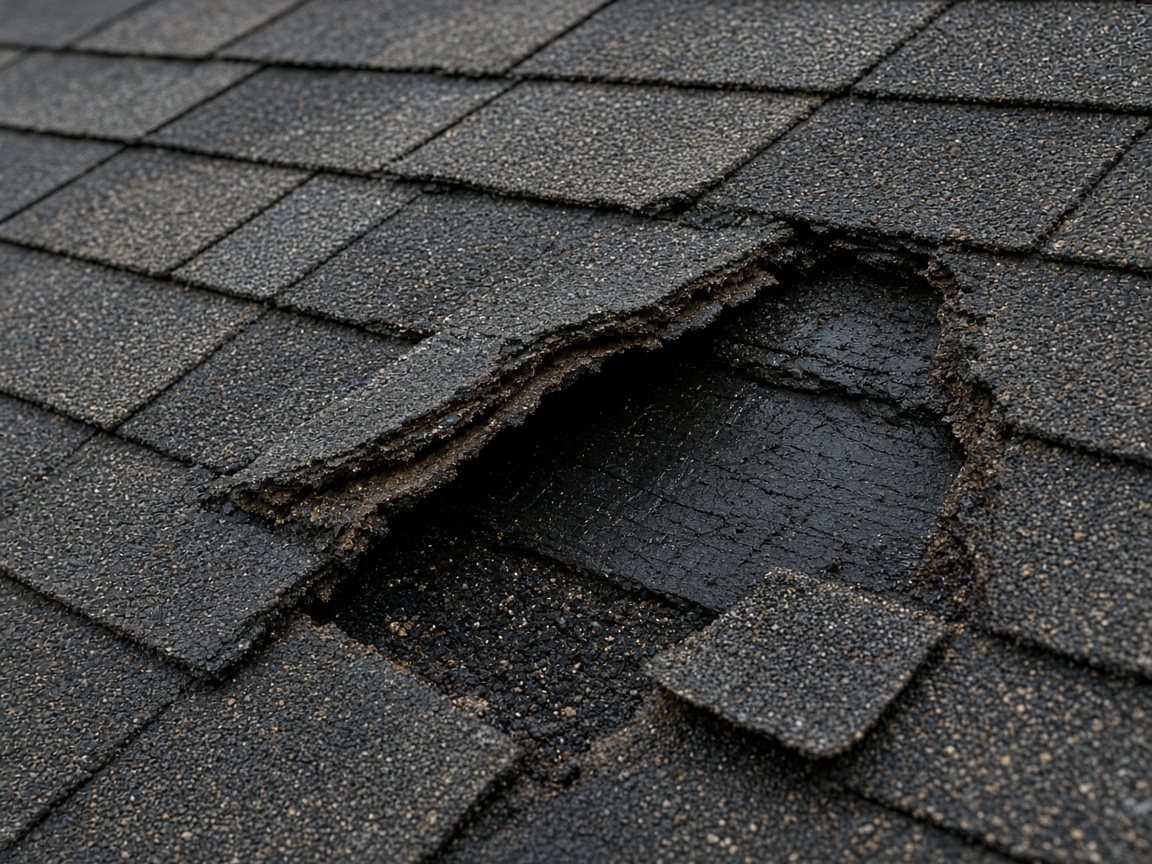
Storm-torn shingles and exposed underlayment: the physical damage behind a roofing company's storm-lead decision.
What Your Inspection Page Can Already Ask
Your inspection page can already ask the question the lead skips, if you let it be two pages. The damage page asks what changed, when, whether water is indoors, which room, a callback, and the address. The replacement page asks the age of the roof, the scope, the timing this year, and whether anything new happened in the weather. A "yes" on that last question moves the visitor to the damage page. One page titled "inspection" with a single form cannot ask this, and it is the vendor form on your domain.
The page can also say what the visit is. Damage: a look because something changed. Replacement: a conversation about a roof you have been planning to redo. Homeowners under stress will pick the button that matches their house if you give them two, and they will all pick "inspection" if you give them one. Your crew's preparation follows the button, not the worry in the caller's voice.
Point each form at the right queue before you compare any vendor. Damage that needs a look now goes to the storm crew, and planned replacements go to the estimator. If both forms still land in one inspection board, you do not have a page to compare the lead against. You have a headline, and the lead will look just like the board, because both failed to choose a visit.
The Roofing page sells the work, and this article teaches the comparison with a storm lead. The selling page can offer an inspection, but it should not be one inspection for two jobs. The Home Services page is where other trades live, and a storm lead labeled "home exterior" is not a reason to mix a roof opening with a plumbing leak on the same crew sheet.
How Damage and a Planned Replacement Are Different Visits
Damage and a planned replacement are different visits even when both follow weather. The lead collapses them, but the page should not.
| What you can know | Leaking or opened today | Replacement this year | Bought storm lead |
|---|---|---|---|
| What changed and when | The reason to look now | An escape, only if something new happened | Usually absent |
| Water indoors | Which room, still active or not | Not the point of the visit | Usually absent |
| Age and timing | Later, after the opening is handled | The reason they called | Usually absent |
| Crew to send | Storm crew, prepared to look at an opening | Estimator, prepared to talk scope | Whoever is free |
| Promise on the page | A look at what changed | A plan for a roof they already meant to replace | One word: inspection |
Lay a lead across the rows before you schedule. If only the last column is filled, you are about to make a discovery call and then choose a crew, which is allowed but is not the same as an inspection you already understood. Lay a submission from your damage page beside it. If that submission also fails the first columns, your page is treating both visits as the same inspection, and the vendor cannot repair that. You can.
Do not add a field to the vendor's form in your imagination and call the lead fixed. Unless the fact arrives in the file before you dial, it was not asked. A rep who says "homeowners mention leaks in the notes" is describing luck, and luck is not a door. Your page's required questions are the door.
How to Compare the Vendor With the Page
Compare the vendor with the page by the visit each one can name, using notes you already have. Do not compare them by who called back fastest, because fast and unclear is how the storm board clogs.
- Take recent bought storm leads and mark each one leaking today, replacement this year, or cannot tell.
- Take recent submissions from your damage page and your replacement page, and mark the same three.
- See which stack has the smaller cannot-tell pile.
- If the page's pile is not smaller, stop buying and split the inspection into two requests.
- If the page's pile is smaller, buy only leads that are a job those two requests do not hear, and still fill the blanks yourself.
Step three is the whole comparison. A vendor who delivers more names with a larger cannot-tell pile is selling you the sort, while your page, when it works, delivers fewer mysteries. Step five's exception might be a property manager who will not use a form, or a job you have not published, so write that exception down. "Weather happened" is not an exception. Weather is why the two requests exist.
Ignore a pitch that your page will be improved by the volume of leads. Volume does not teach a form to ask what changed. It teaches the office to rush. The page is improved by fields, queues, and an escape hatch, which you can test on a quiet day without the vendor.
What the Vendor Cannot Fix
The vendor cannot fix a page that treats damage and a planned replacement as the same inspection. They do not control your forms, your footer, your voicemail, or your crew instructions. If all of those say "inspection" and stop, every name they sell will enter that word and stay there, and you will feel the weather in the building without knowing which roofs are open.
Change the page on your side: two requests, two queues, and a yes that moves a planned form over to damage when something is leaking today. Change the voicemail so it offers the same fork. Then look at the lead again. It will still be a name after a weather event, but you will notice the blank immediately, ask the one missing question, and put the person in the right queue. That is a tolerable lead. A lead you drop into a single inspection pile is the expensive kind, because the blank survives all the way to the roof.
Do not wait for the vendor to add age, timing, and water-in-the-room as required questions. Their form is built to produce a person many roofers can call, while yours is built to produce a visit one crew can prepare for. Those designs will not merge because you asked in a setup meeting. Keep yours strict, and treat theirs as a side path you judge by the cannot-tell mark.
You can compare a storm lead with a page that already knows which visit it is selling. You cannot compare it usefully with a page that calls both visits one inspection. Fix that page, and the name after the weather becomes a choice instead of a fog.
Questions
What Is a Bought Storm Lead Usually Missing?
Whether something is leaking today or the homeowner wants a replacement this year. The file is often a name after the weather plus a word like "inspection," so the visit is still unknown when you dial.
Can the Vendor Fix a Page That Treats Both as One Inspection?
No. The vendor does not control your forms or your queues. A page that calls damage and a planned replacement the same inspection will file their names that way, so split the page yourself.
What Should the Inspection Page Ask Instead?
One request asks what changed, when, and whether water is indoors. The other asks the age of the roof and the timing for a replacement. A new leak reported on the replacement form should move to the damage queue.
When Is the Next Batch Worth Buying?
When your two requests already shrink the cannot-tell pile and the lead is a job those requests do not hear. If the page's pile is as unclear as the vendor's, stop buying and fix the page.
Why Is "One Inspection" the Wrong Label?
Because a look at an opening and a conversation about a replacement this year are different crews and different preparations. One label hides which visit you sold. The lead uses that label, but your page does not have to.
Conclusion
A bought storm lead often arrives as a name after a weather event, and it does not say whether something is leaking today or the homeowner wants a replacement this year. Your page can ask that, and the vendor cannot fix a page that treats both as the same inspection. Compare the lead with a page that already knows which visit it is selling.
When you are ready to choose between bought storm leads and a page that separates damage from a planned replacement, Speak With Us.