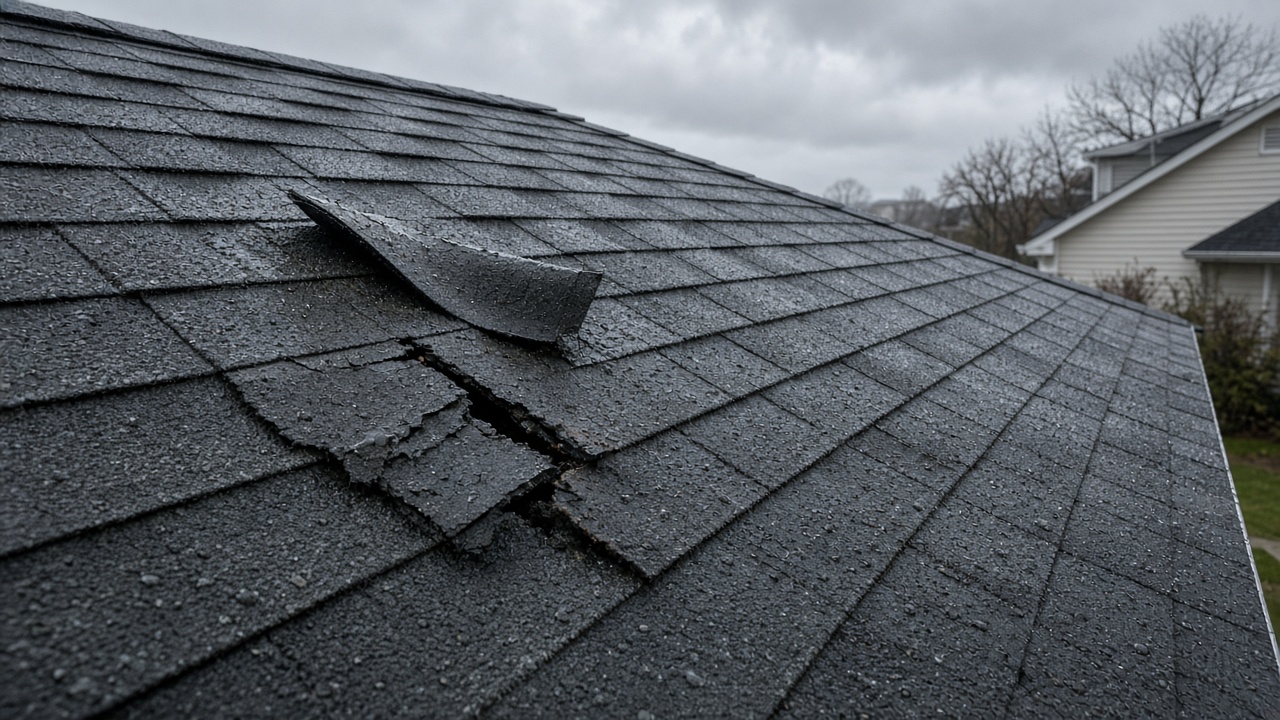

A roofing owner should hand off the website and the follow-up together when the office already knows the split and the callback list still mixes it. Hand it off when storm damage and planned replacements are distinct in the office, and the site plus the callback list still treat them as one pile. The person you hire should keep that split intact through the follow-up. A campaign that adds more names to the pile is a different job.
Takeaways
- Hand off the page and the follow-up as one project when damage and planned replacements are distinct in the office and mixed everywhere else.
- Keep the split intact from the form, through the callback list, to the person who dials.
- Do not hire a campaign that adds names to the same pile and call that follow-up help.
- Decide yourself which visits are looks-now and which are replacements this year.
- Test by losing a request on purpose and seeing whether the right person can find it.
When the Office Already Knows the Split
The office already knows the split when the people at the desk can say, without the website, which jobs are storm damage and which are replacements someone has been planning. They know a ceiling that started dripping is not a roof they meant to replace next season. They know an old roof with no new change is not a crew on a ladder this afternoon. The site and the callback list do not know. Both piles say inspection, or both say new lead, and the person who calls back has to rediscover the visit.
That is the handoff. You do not need help to learn the difference. You need help to stop losing it between the form and the dial. If the office cannot yet say the difference, do not hire a marketer to invent one. You will get a campaign and a thicker pile. Write the difference down from last month's jobs, then hire for the path that keeps it.
Owners notice the loss as a feeling that requests vanish. A homeowner says they filled out the form. The callback list has a name and no what-changed. Or the list has the facts and the person who dials never saw them, because the list is a spreadsheet, the form is an email, and nobody joined them. Follow-up help that only makes more emails will add to the vanish. The project is the join.
The Roofing page sells the work. This article teaches when the page and the follow-up are one project. The selling page can offer the two visits. It does not, by itself, make the callback list honor them. The Home Services page covers other trades. This follow-up should not blend a roof note with a plumbing or HVAC callback just because one person dials for the company.

Loose asphalt shingles and a roofing nail gun rest on bare roof decking.
The materials of a roofing job, shingles and a nail gun on the deck, for an article about an owner who should hand off follow-up instead of doing it between roofs.
Where Requests Get Lost Before the Callback
Requests get lost in the gaps, not in the phone call itself. The form asks the right question and the email subject does not. The email has the facts and the callback list has a row with a blank visit. The list has the visit and the person who dials sorts by time received, so a replacement from the morning sits on top of water in a bedroom. Each gap is a place the split dies.
Name the gaps you actually have. Some shops lose the request between the website and the inbox because a footer form bypasses the two doors. Some lose it between the inbox and the list because a person retypes and the what-changed line does not fit a column, so they drop it. Some lose it between the list and the dial because the script is the same for every row: thanks for requesting an inspection. That script glues the visits back together in the homeowner's ear, even if the list was correct.
Storm season makes the gaps obvious and then hides them again under volume. You will remember the angry call. You will not remember which gap caused it unless you write the path down while it is failing. A quiet week is the time to watch one damage test and one replacement test move, step by step, to the person who would dial. Wherever you have to explain the visit out loud, that is a gap. Help should close gaps. It should not skip to a new source of names while the gaps remain.
The person who calls back needs a sentence they can say first. Damage: we saw what changed and when, and we are calling about that look. Replacement: we saw the age and the timing you have in mind. If they cannot say one of those, they are following up on a pile, not on a visit. The website's job is unfinished until that sentence is possible.
How to Keep the Split Intact Through Follow-Up
Keep the split intact by making every handoff carry the same two labels, and by refusing a follow-up step that strips them. The label is damage or planned replacement. The facts ride with the label. A step that keeps the name and drops the label is a step that recreates the pile.
Build the path in this order.
- Mark every current callback row as damage, planned replacement, or unknown, using only what the row shows, not what you remember.
- Change the form, the email subject, and the list columns so a new request cannot arrive without a label and its facts.
- Rewrite the first sentence of the callback so it speaks the label, and give unknown rows a question that sets the label before any scheduling.
- Put damage that needs a look now at the top of the list by rule, not by whoever shouts, and leave planned work in its own order.
- Run a damage test and a replacement test through the whole path, and have the person who dials read the first sentence without asking you what the job is.
Step one is usually painful. Unknown will be most of the list. That is why the handoff includes follow-up and not just the website. A beautiful pair of pages feeding an unlabeled list is the same pile with a nicer entrance. Step four is an office rule you must set. Help can sort the view. Help should not decide that every roof is equally urgent because urgency fills a board.
Initial Contact is you showing the mixed list. Detailed Discussion is the labels, the facts, and the first sentence. Implementation is the path and the two tests. If the tests die in email, Implementation is not done. Stay on it until the person who dials can speak the sentence.
What Help Should Preserve and What a Name Campaign Adds
Help should preserve the split all the way to the dial. A name campaign adds people to whatever pile you already have. Those are different jobs, and buying the second while the first is open makes the callback list worse.
| Work | Preserves the split | Adds names to the pile | What you should buy |
|---|---|---|---|
| Two forms and two subjects | Yes | No | Yes, if the site is still one door |
| List columns for label and facts | Yes | No | Yes, this is follow-up |
| A first sentence that states the visit | Yes | No | Yes |
| A rule that floats real damage up | Yes | No | Yes, you set the rule, they set the view |
| A campaign that imports more contacts | No | Yes | Later, and only into the labeled list |
The last row is how roofing follow-up gets replaced by noise. A seller hears that you lose people and offers more people. You do not lose people because the weather produced too few. You lose the thread of the ones you had. More names, unlabeled, give the person who dials a longer list of inspections. Preserve the split first. A campaign can come after unknown is a rare mark, and it should land in the same columns, not in a side sheet with its own vocabulary.
Ask anyone you might hire which row they want to start on. If they start on the last row, they are selling a different job. You can like their energy. Energy on an unlabeled pile is how storm week becomes a blur of callbacks that all sound the same. The rows above the last one are the project.
When the Page and the Follow-Up Are One Project
The page and the follow-up are one project when fixing only one of them leaves the split dead. A perfect form with a sloppy list fails. A disciplined list with one homepage form fails. Hire them together, or hire the missing half with instructions to protect the half that works. Do not hire them from two vendors who never see each other's fields. The label will be renamed in transit, and unknown will return.
You will know the project is warranted when the office can say the split and a request still falls into one pile before anyone calls back. You will know it worked when a damage request and a replacement request produce two first sentences, and the right one gets dialed without a meeting. You will know a name campaign was the wrong job if the list got longer and the sentences did not appear.
Keep your own rule about what deserves a look now. Help can carry the rule. A soaked ceiling is not a timing conversation. An aging roof with no new opening is not a siren. If a template tries to call every submission hot, cross that out in Detailed Discussion. The follow-up should sound like your office, including the jobs you schedule for later on purpose.
The handoff is complete when you can leave for a job site and trust that a form filled this morning will be a labeled callback this afternoon, with the facts still attached. Until then, the website and the follow-up are one leak, and they should be one project.
Questions
When Should a Roofing Owner Hand Off Follow-Up?
When storm damage and planned replacements are distinct in the office, and the site plus the callback list still treat them as one pile. The person you hire should carry that split through the follow-up. A campaign that adds names is a different job.
Where Do Roof Requests Usually Get Lost?
Between the form and the email subject, between the email and the callback list, or between the list and a script that calls everything an inspection. Any step that keeps the name and drops the label recreates the pile.
What Has to Travel With the Name?
The label, damage or planned replacement, and the facts that belong to it. Damage carries what changed and when. A replacement carries age and timing. A first sentence on the call should speak those facts.
Why Is a Name Campaign Not This Project?
It adds contacts to the pile you already cannot sort. Buy it only after unknown is rare and new names land in the same labeled columns. More inspections on one list do not restore a lost request.
How Do You Know the Page and the Follow-Up Are One Project?
Because fixing only the site or only the list leaves the split dead. Test both. The person who dials should read the right first sentence without asking you what the job was.
Conclusion
Hand the work off when storm damage and planned replacements are distinct in the office and the site plus the callback list still treat them as one pile. The person you hire should keep that split intact through the follow-up. A campaign that adds more names to the pile is a different job. You will know roofing follow-up help is warranted when the label survives all the way to the dial.
When you are ready to decide whether the page and the follow-up are one project, Speak With Us.