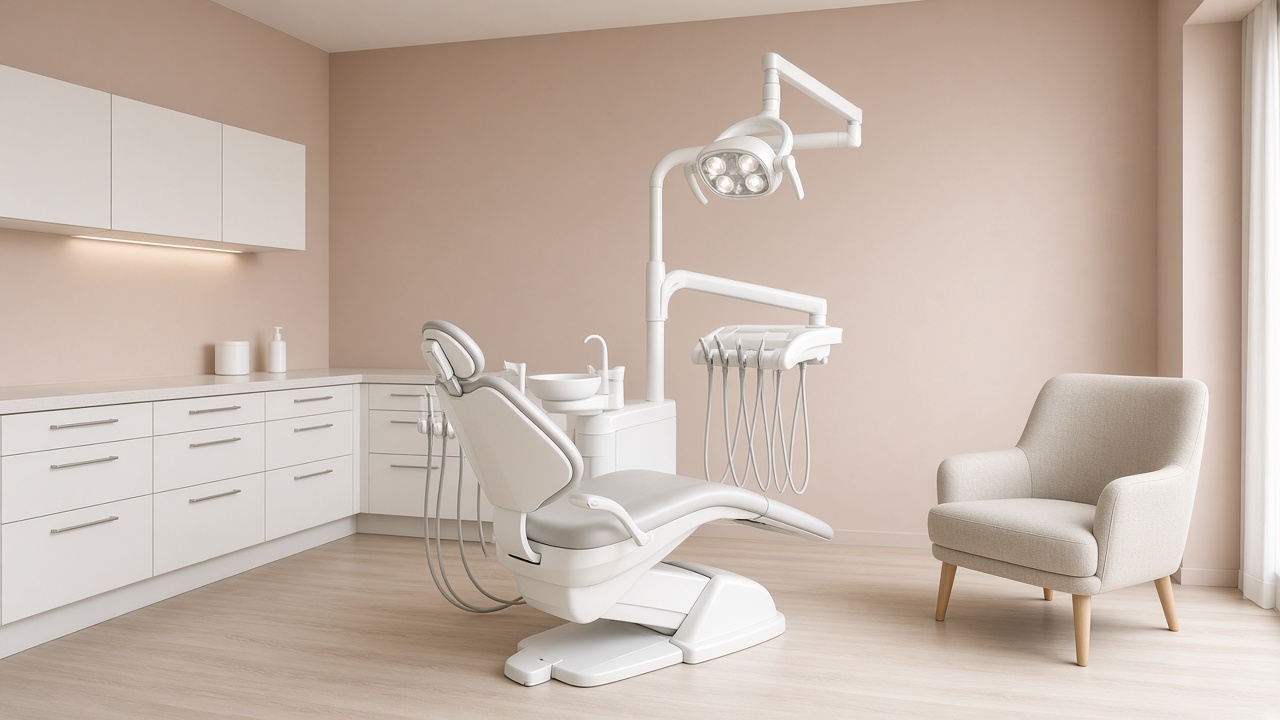
A cosmetic dentistry page should explain that the next step is a consult, what that consult is for, and what the website will not decide. It should not predict how a smile will look. A request that asks what the person wants to change is enough to book the conversation.
This guide covers what the page should say the next step is, what the consult is meant to cover, how to ask what the person wants to change, which lines turn a request into a promise, and what should stay off the website.
Takeaways
- Make the next step a consult request, and say so in the first screen.
- Say what the conversation is for, and say what it will not decide online.
- Ask what the person wants to change, without answering how it will look.
- Keep new-patient exams and same-day pain on their own doors so this page stays a consult.
- Treat any sentence a visitor could quote as a finished result as a line to remove.
What the Page Should Say the Next Step Is
The page should say the next step is a consult. It is not a result, not a preview of a finished smile, and not a cleaning with a cosmetic name on it. A person who is curious still needs a visit where the dentist can talk with them, and the website's job is to book that conversation and stop before it describes an outcome. If the headline already sounds like the work is done, the form underneath is too late.
Say it in scheduling language: "This page requests a cosmetic consult. The consult is a conversation about what you want to change. It does not select treatment, set a start, or show you how your smile will look." Those limits belong above the button. A gallery placed first, with the request buried, teaches the opposite: that the pictures are the offer and the form is a way to claim one.
Name who the consult is for: someone asking about a change in appearance who can attend a longer visit than a hygiene appointment. If they are in pain, or have never been seen and need a first exam, send them to those doors. A cosmetic block used as a same-day chair or a new-patient exam wastes the conversation and mixes the books, and the page can point elsewhere without turning into those other forms.
Say what they will leave with, carefully. They will have had a conversation and a chance to ask questions. They will not leave the website with a plan, a picture of their own result, or a reserved series of visits. You can say the desk will offer a consult time the book holds, but not that the consult itself is confirmed until the desk has a real opening: request, then time, and never the look.
The Cosmetic Dentistry page sells the consult, and this article teaches what that page must explain before anyone requests it. The practice's other doors, including a first visit and same-day pain, live on the Dental page and should stay off this form.

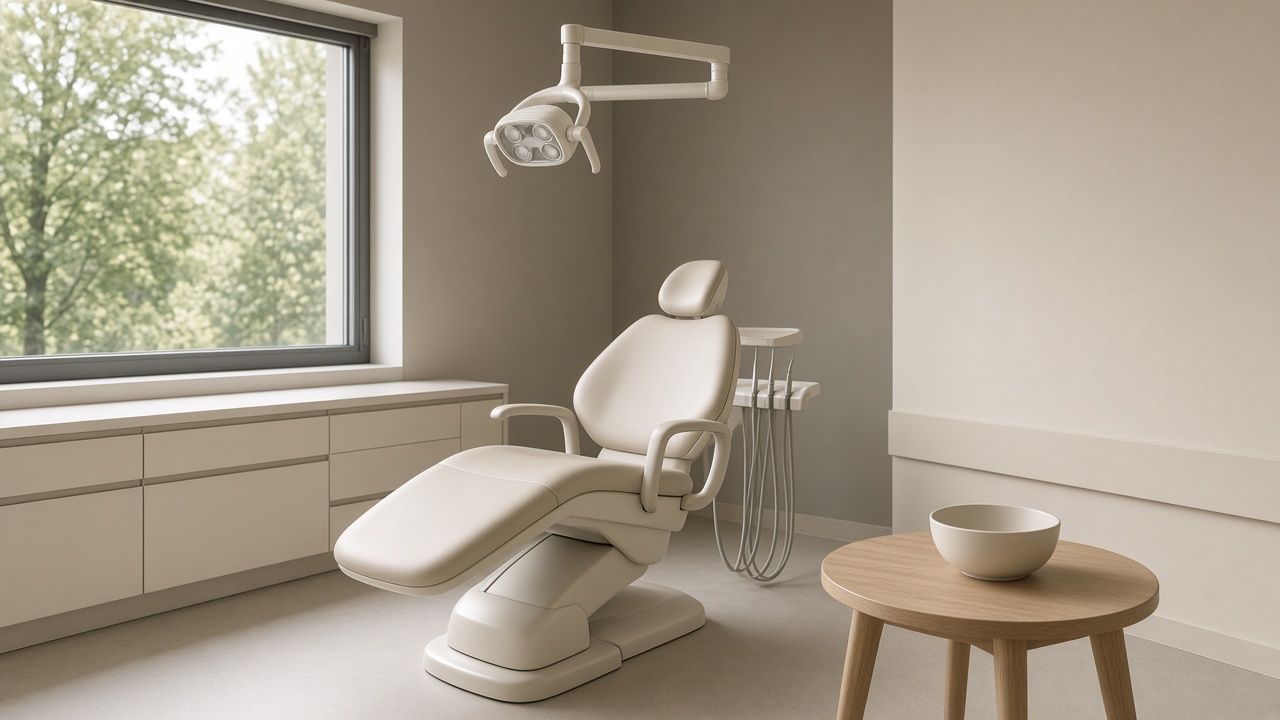
A plain glass of water rests on a wood table, with a dental chair and light soft behind it.
What the Consult Is Meant to Cover
The consult is meant to cover the conversation you actually have in that block, not every hope a headline can suggest. Write the list the way the coordinator would brief the dentist: what the person wants to change, whether they have asked another dentist about it, how much time the block is, and what you will not decide in the waiting room or on the website. That list is the page's middle, and it is more useful than adjectives about beauty.
Be plain about the boundary. The website will not choose a treatment, compare one approach with another as if the choice were already made, or describe healing, timing, or appearance. Those topics may come up in the consult, with the person in front of you, but putting them on the page turns a request into a preview that the consult then has to undo. Owners lose time walking back a sentence marketing liked, so put the boundary in the draft before the sentence exists.
Say what to bring in practical terms: a way to reach them, the change they want to talk about, and whether another office is already involved. Do not ask them to upload a target picture as if matching it were the promise. A note about what bothers them is enough to prepare the conversation, whereas a target picture teaches them the consult is a matching service. You can decline that field, because the book does not need it to hold the time.
Distinguish this block from a first exam and from an emergency. If your cosmetic consult assumes the person is already a patient, say so and tell a new person which door to use first. If it can be the first time you meet, say that too and make the length match. Ambiguity here is how the hygiene book and the consult book trade the wrong people, so pick one truth and schedule to it.
How to Ask What the Person Wants to Change
Ask what they want to change in words that cannot be read as your answer.
- Write one line that names the next step as a consult request and states that appearance is not decided on the site.
- Ask what they want to change, as a short choice plus a line of their own words, not as a menu of outcomes.
- Ask whether another dentist is involved, and whether they are a current patient or need a different door.
- Ask for a range of days for a consult-length block, and say the desk will offer a time the book holds.
- Read the reply they receive. It should repeat "consult request," not a result, a look, or a start date.
Step two is where pages slip into promises. Choices like "whiter," "straighter," or "closer to a picture you admired" become a catalog of results if the page then explains how that will turn out. Keep the choice as the person's words, because the form records the topic and does not answer it. If a choice needs a paragraph of what they can expect, it does not belong on this form.
Step four keeps the book intact. A consult that is longer than a cleaning needs a block that matches, so do not offer hygiene times for this request, and do not let a "preferred cleaning day" field survive because the software reused a template. The template is the wrong visit, so replace it, even if that means fewer fields.
Step five is the sentence they will quote back to you. If the reply says "we can't wait to transform your smile," you have predicted a look in the one place everyone reads. Change it to something like "We have your request for a consult and will offer an open time." Dull is the goal: the conversation can be warm in the room, and the website stays a request.
Which Lines Turn a Request Into a Promise
A line turns into a promise when a stranger could repeat it as something you have already agreed to do to their appearance. You do not need a legal review to hear it. Read the line as the person will read it on a phone in a minute.
| Line on the page | What the person hears | Why it fails the consult | What to publish instead |
|---|---|---|---|
| See your new smile | The result is known | The site predicted appearance | Request a consult to talk about what you want to change |
| We will design your look | A plan exists before the visit | The conversation has been skipped | The consult is where questions get asked |
| Book your transformation | The outcome and the time are set | Confirms more than the book | Request a consult time the desk will offer |
| Get the smile you pictured | The result is already chosen | The site predicted a look | No preview of their outcome. The next step is a conversation |
| Same-day smile | Today includes a finished change | Mixes emergency speed with a consult | Same-day pain has its own door. This is a consult |
The fourth row is the one drafts reach for when they want to sound confident. Confidence on this page is clarity about the next step, not a dare about the result. If a sentence mentions how the smile will look, cut it, even if the rest of the sentence is careful. The picture, if you keep one, needs the same discipline: it is not a promise that this visitor will look like the photograph, and you should say that in ordinary words beside it or leave the photograph off until you can.
Have the person who takes consult calls read the table and add the sentence they are tired of undoing. That sentence is a row you missed, so remove it from the headline, the form, and the reply. One leftover caption can undo a careful page.
What Should Stay Off the Website
The result stays off the website, and so do the timing of treatment, the feeling of a finished change, and any comparison that ranks one look above another. The consult can discuss what is appropriate for the person in front of you, but the page cannot know that person yet, and writing as if it does is how expectations arrive ahead of the appointment.
Prices and packages stay off if you have not decided to publish a figure you will stand behind, and this article will not invent one. A consult request does not need a number to be worth sending. If you later publish fees, they still do not describe how someone will look, so keep those ideas apart so a fee page cannot smuggle a result back in.
Other people's outcomes stay off, including stories that sound like proof. You do not need them to book a conversation, since a request that asks what the person wants to change is enough. Adding a dramatic before-and-after caption pulls the page back into prediction, so if you are unsure whether a caption predicts, delete it. The consult will still be there.
Check the page after any campaign, any new photo, and any rewrite by someone who was not in the room when you set the line. The line is stable: the next step is a consult, here is what it is for, here is what the site will not decide, tell us what you want to change. When those four are visible and nothing nearby describes a finished smile, the page is ready to receive a request, and not before.
Questions
What Should a Cosmetic Page Say the Next Step Is?
A consult. Say that the visit is a conversation about what the person wants to change, that the desk will offer a time the book holds, and that the website will not decide appearance, treatment, or a start date. The button should say "request," not promise a finished result.
What Is Enough to Ask on the Form?
What they want to change, whether another dentist is involved, whether they already have a first-visit path or need one, and a range of days for a consult-length block. Skip a target picture that implies you will match a look, because the topic is enough to prepare the conversation.
Which Sentence Should Come Off the Page Immediately?
Any sentence a visitor could quote as how their smile will look, including "new smile," "transformation," or a same-day change, and any line that says the visit is already booked. Replace it with a consult request. The room can be specific, but the page cannot.
Where Should Pain or a First Exam Go?
Off this form. Pain belongs on the emergency path, and a first exam belongs on the new-patient path if that is how your book works. The cosmetic page is the consult, and using it for the other visits puts the wrong length on the schedule.
Can Photos Stay If the Words Are Careful?
Only if they cannot be read as a promise that this person will look like the picture. Say they are not a prediction, or remove them. A careful paragraph under a caption that shows a finished smile still teaches the wrong lesson, so when in doubt, take the caption off.
Conclusion
A cosmetic dentistry page has to explain that the next step is a consult, what the consult is for, and what the website will not decide. It should not predict how a smile will look, and a request that asks what the person wants to change is enough to book the conversation. You will know the page is ready when a visitor can repeat the next step and cannot quote a result.
When you are ready to turn the page into a consult request, not a promise about appearance, Speak With Us.