A cosmetic practice should hand the site to someone else when the consult page must stay a request and you are the only one keeping that line. If you know the page must request a consult and must not predict appearance, but you are still the person who protects that rule between patients, it is time to hand it off. The person you hire has to keep the line, and a prettier promise is a failure.
This guide covers what it means to be the only editor, what the handoff has to protect, how to brief someone else, what counts as a failed draft, and how to review without rewriting it yourself.
Takeaways
- Hand the page off when the rule is settled and you are still the person enforcing it between visits.
- Write the rule as a brief: consult request, no predicted look, no confirmed time the book does not hold.
- Judge drafts by whether a stranger could quote a result, not by whether the page looks newer.
- Keep new-patient and pain paths off this form so the handoff does not mix the books.
- Take the login back only for a real change in the rule, not because a draft was polished.
When You Are Still the Only Editor
You are still the only editor when every draft that sounds like a result comes back to you, and you are the one who deletes it. The rule is not mysterious: the page must request a consult, and it must not predict how a smile will look. You can say that in a sentence. The trouble is that you are also the person saying it again after each rewrite, often late, often after a photo or a headline drifted. That is the moment to hand the page to someone whose job is to keep the sentence.
The front desk should not inherit this. They can tell you which line patients quote, and that report is gold, but editing the page between check-ins is how the line slips back in, because the person under pressure will restore a warmer sentence to stop a complaint. The complaint usually started because a warmer sentence was there already. A handoff breaks that cycle only if the new person is not rewarded for warmth that over-promises.
Look at your last few rewrites. If they are the same deletion, the page does not need more of your evenings. It needs a keeper. If you are still unsure whether the page may describe appearance, do not hire yet: settle the line first, because help hired to make the page louder before the line exists will push it in the wrong direction, and you will be back in the draft, which is the job you were trying to leave.
The Cosmetic Dentistry page sells the consult, and this article teaches when keeping that page honest should be someone else's maintenance, not your between-patient edit. The practice's other bookings sit on the Dental page, and the handoff is not a chance to merge them into one prettier form.

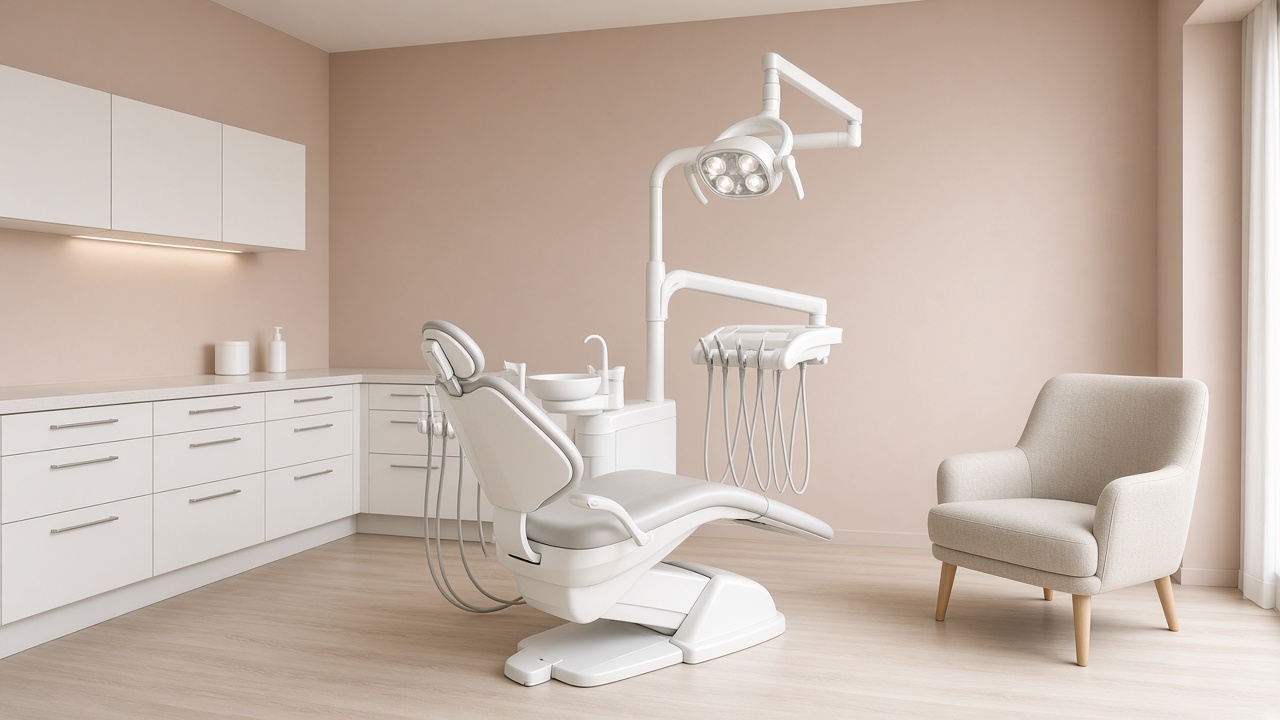
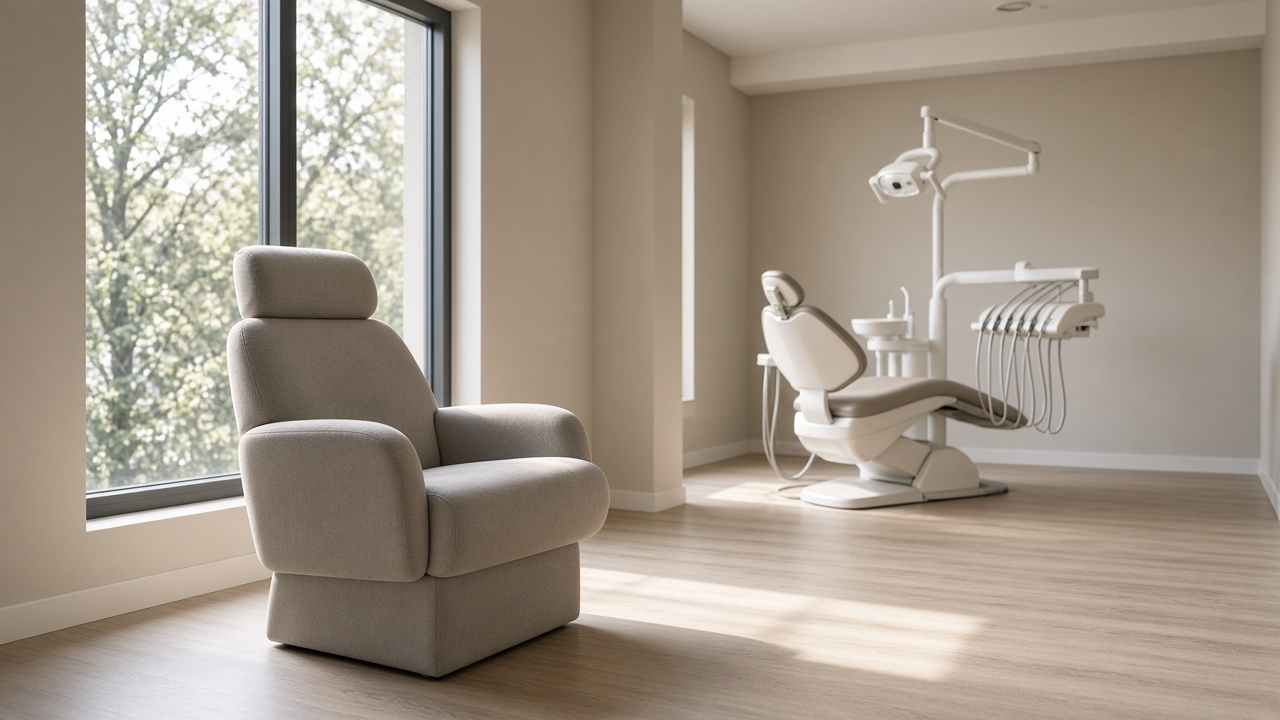
Window light crosses the headrest of a white dental chair and the edge of a nearby consult chair.
What the Handoff Has to Protect
The handoff has to protect one line: the next step is a consult, the consult is a conversation about what the person wants to change, and the website will not decide how a smile will look. Around that line, protect the request itself. The desk offers a time the book holds, the form does not confirm one, the block is consult length and not a cleaning, another dentist involved is a question worth asking, and a target picture is not a promise you will match.
Protect the absences. No result, no start date, no same-day finished change, and no sentence a disappointed person could read back to you as an agreement. If a photograph stays, it stays only with a plain statement that it is not a prediction for the reader, or it goes. Write the absences down, because people maintain what is listed and restore what is merely implied.
Protect the neighboring doors. Pain still goes to the phone-first emergency path, and a first exam still goes to the new-patient page if that is how you book it. The cosmetic handoff fails if the new keeper simplifies by putting every visitor on one consult form, since that fills the consult book with the wrong visit and makes you the sorter again. Name the doors that must remain separate, even if this project does not rebuild them.
Say what success is not. It is not more adjectives, and it is not a bolder claim that might convert. It is a page you can ignore for a stretch because the line is still there. If your brief says "increase the appeal" and never says "do not predict appearance," you wrote the wrong brief, because appeal on this page is clarity and anything that fights the clarity is out of scope.
How to Brief Someone Else on the Page
Brief the page as a set of sentences to keep, not as a mood.
- Write the line that must remain: consult request, what the consult is for, what the site will not decide.
- Write three lines that must not appear, using the ones you keep deleting, including any that predict a look.
- List the form fields: what they want to change, another dentist or not, consult-length days, request only.
- Ask for a test note and a test reply before anything is public, and read both for a quoted result.
- Agree that a prettier promise is a rejection, and that you are not the daily editor after the line holds.
Step two is the part most owners skip because it feels negative, and it is what saves the project. Bring the headlines you have already killed. If the next draft contains their cousins, the keeper did not understand the job. Cousins include "new smile," "transformation," "see the result," and any caption that tells the reader the photograph is their future. You do not need a long banned list, just the pattern: appearance as a deliverable.
Step four happens before launch, not after the first disappointed consult. Submit the form yourself. If the reply flatters a result, send it back, and if the note asks for a preferred cleaning day, the template survived and the consult did not. A visual refresh on the old fields is not the handoff you asked for.
Step five needs a practical review rhythm that is not you at midnight. A scheduled read after changes, with the three must-not lines in hand, is enough. You are checking for drift, not rewriting headlines in the chair between patients. If the review finds drift, the keeper fixes it, and if you fix it yourself, you have taken the job back.
What Counts as a Failed Draft
A failed draft can be handsome. Failure here is a sentence, a field, or a picture that predicts, confirms, or mixes visits. Use the same test on the first concept and on the tenth polish.
| What the draft does | Why it fails | What you say in the review | What a passing version does |
|---|---|---|---|
| Predicts how a smile will look | The page made a result | Remove the prediction. The consult talks. The site does not | Asks what they want to change and stops |
| Says the visit is booked | The book may not hold it | Make it a request the desk will answer | Offers nothing until a real opening exists |
| Asks for a cleaning day | The block is the wrong length | Rebuild the request around a consult | Asks for consult-length availability |
| Lands pain on this form | Same-day needs the phone path | Point pain elsewhere | Keeps this door a consult only |
| Uses a photo as the offer | The picture becomes the promise | Add a non-prediction line or remove it | Lets the request be the offer |
Bring this table to the review, and do not debate taste while a row is failing. Taste can wait until every row passes. Owners get pulled into color and type because those choices are easier than sending a polished page back, so send it back. A keeper who resists the table is the wrong keeper, even if the page is the best-looking one you have had, because looking finished is not the same as keeping the line.
If you hear that a stronger claim is needed or people will not request the consult, ask to see the current request sentence. Often it was never plain, so make it plain before you let anyone raise the claim. A quiet true sentence outperforms a loud one you have to apologize for, and the apology happens in the consult you were trying to protect.
How to Review Without Rewriting It Yourself
Review on a schedule, with the line in front of you, and stop when the line holds. Open the first screen only and read the button. If the page changed, submit a fresh test. You are looking for a prediction, a confirmation, or a cleaning field, not a better adjective. If none of the failures are present, close it, because that is a successful review and it should be short.
When something failed, name the row and send it back the same day. Do not fix the words yourself to save time, since the minute you do, you are the editor again and the keeper learns that drift is your problem. A same-day return with the banned sentence highlighted is the lesson, and if the same sentence comes back twice, the brief is being ignored. Say that plainly and stop further polish until the line returns.
Tell the desk what changed in how requests should look: consult, what the person wants to change, and no quoted result in the reply. Ask them to flag any caller who says the website showed them a finished smile. One flag means a caption or an ad is still live somewhere, so hunt that page. A handoff that only watches the main consult URL and misses a gallery will leak the old promise, so list every URL that mentions the consult and put them on the same rule.
After a quiet month, leave it alone. The next real edit is a change in the consult itself, such as a different block length or a decision that new patients need the other door first. That edit goes through the same brief, and it does not go through you reopening the page because a draft elsewhere in the practice used warmer words. Warmer words that predict appearance are still a failure, on this page and on any page an ad might use as the landing.
Questions
When Should a Cosmetic Dentist Stop Being the Only Editor?
When the rule is already clear, the page must request a consult and must not predict appearance, and you are still the person deleting the drift. The desk can report what callers quote, but they should not be the ones rewriting the page between patients.
What Has to Be in the Brief?
The line to keep, the lines you keep removing, the consult fields, and the doors that must stay separate. Say that a prettier promise is a rejection. If the brief only asks for a fresher look, the next draft will predict a smile and call it an improvement.
How Should You Judge the First Draft?
By a test note and a test reply, read for a result, a held time, or a cleaning question. A handsome page can fail, so send it back before it is public, and do not debate color while a prediction is still on the screen.
What Is a Failed Handoff After Launch?
You are editing again, callers quote a finished smile, or pain and first exams are landing in the consult book. The keeper restores the line, and you do not take the login back to do it faster. Repeated drift means the brief is not the job they accepted.
Can the Desk Still Change a Sentence?
They can flag one, and the keeper changes it against the brief. A desk login for quick warmth is how the prediction returns. Scheduling stays with the desk, and the line stays with the person hired to keep it.
Conclusion
Hand the cosmetic page to someone else when it must request a consult, it must not predict appearance, and you are still the only one keeping that line. The person you hire has to keep the line, and a prettier promise is a failure. You will know the handoff worked when you can review for drift without becoming the editor again.
When you are ready to decide when that page should be maintained by someone else, Speak With Us.