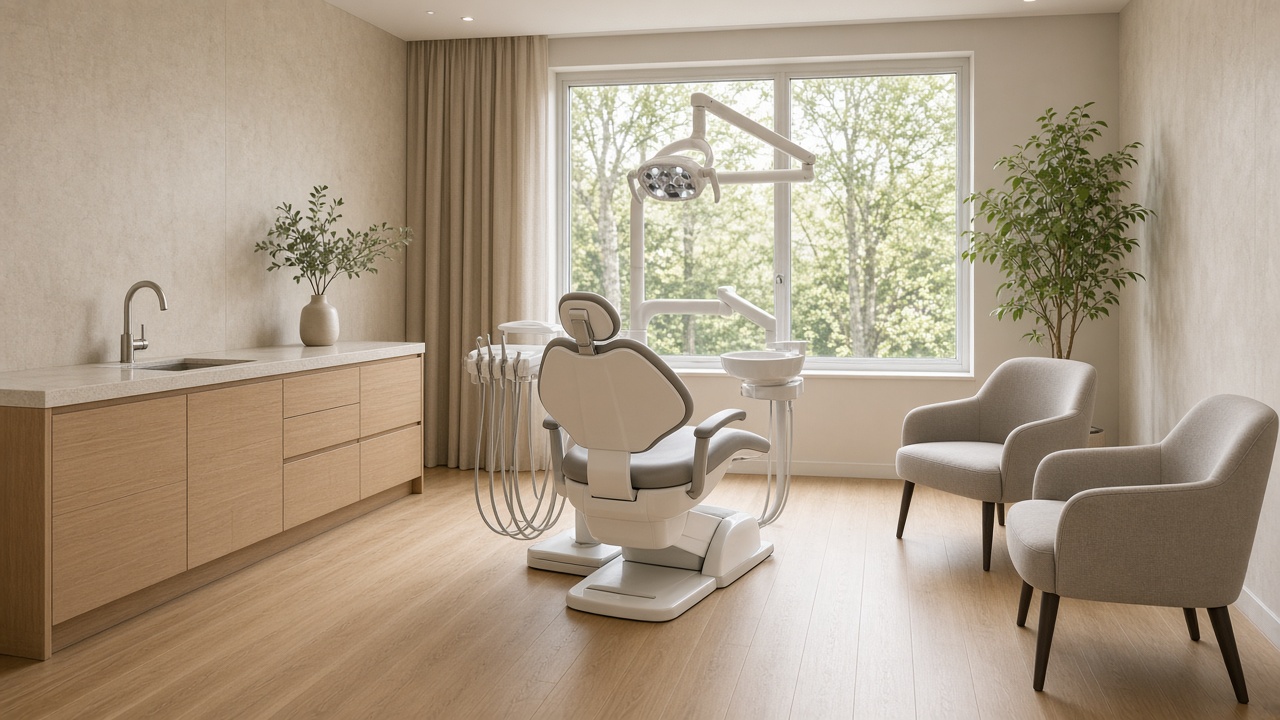
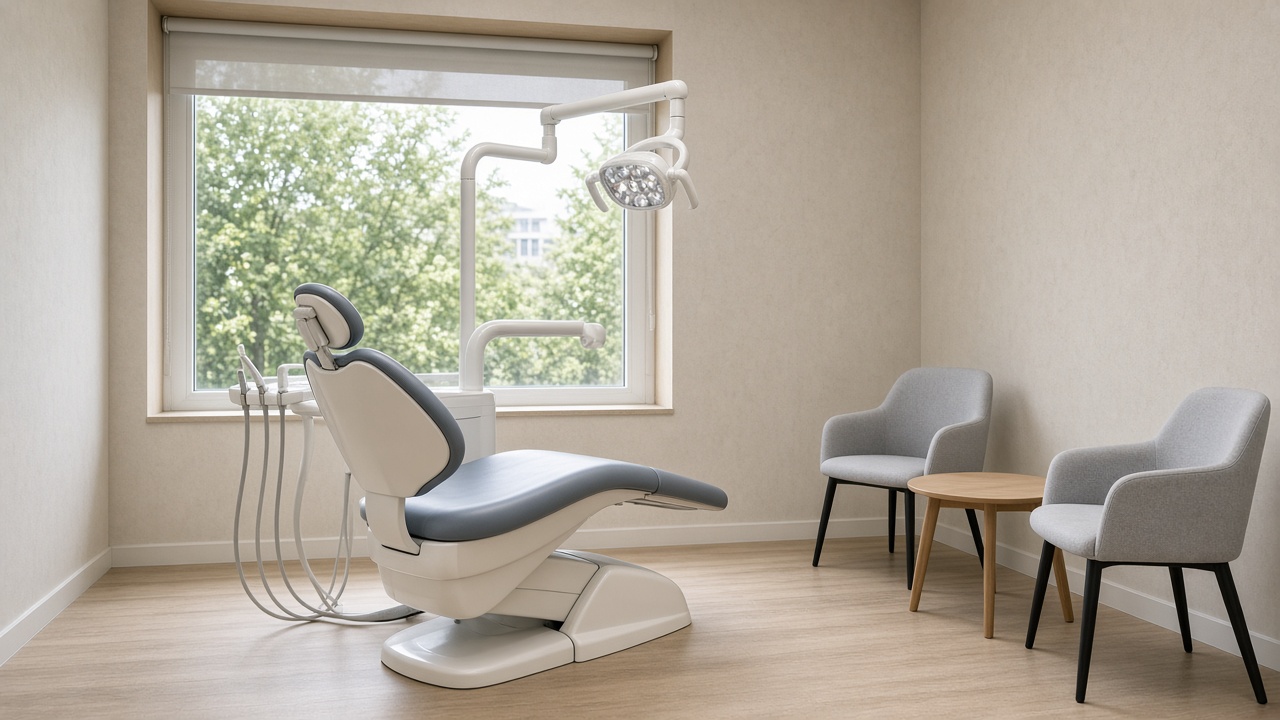
A dental implant page should say the next step is a consult, and that the consult is a longer conversation than a cleaning. It should explain what that visit is meant to decide, and make clear it is not a cleaning and not a same-day start. Ask what has already been tried and whether another dentist is involved, and do not predict a result on the page.
This guide covers why the consult is not a cleaning request, what the visit is meant to decide, how to ask what has already been tried, which requests belong somewhere else, and what the page should leave unsaid.
Takeaways
- Call the next step a consult, and give it a block that is longer than a cleaning.
- Say what the visit is for: a conversation about replacing a tooth, not a finished plan and not a start date.
- Ask what has already been tried and whether another dentist is involved.
- Turn a same-day cleaning request, and a pain visit, toward their own doors.
- Remove any line that predicts a result, a look, or a timeline.
Why the Consult Is Not a Cleaning Request
The consult is not a cleaning because the decision in the room is longer than a hygiene visit, and the book has to show that before anyone arrives. A page that offers implants and then asks for a preferred cleaning day has filed the wrong appointment. The person thinks they requested a start or a quick look, while the desk has a short block with a long conversation inside it, and both leave unhappy because the problem started on the form.
Say the difference in the first screen: "This page requests an implant consult. The consult is a conversation about what you want to replace. It is not a cleaning, and it is not a same-day start. The desk will offer a time the book holds for that longer visit." Those sentences feel blunt, but blunt is what keeps a cleaning template from surviving under a new headline.
People ask for implants in the same season they ask for a checkup, because both are dental and both feel overdue, so your site has to unmix them. If they want a cleaning, send them to the hygiene or new-patient path. If something hurts today, send them to the emergency path, phone first. If they want to talk about replacing a tooth, keep them here. One button labeled "appointment" makes you sort all three after the fact, and the implant page should refuse to be that button.
The Dental Implants page sells the consult, and this article teaches what that page must explain before the consult is requested. Cleanings, first visits, and same-day pain live on the Dental page and should not share this form.
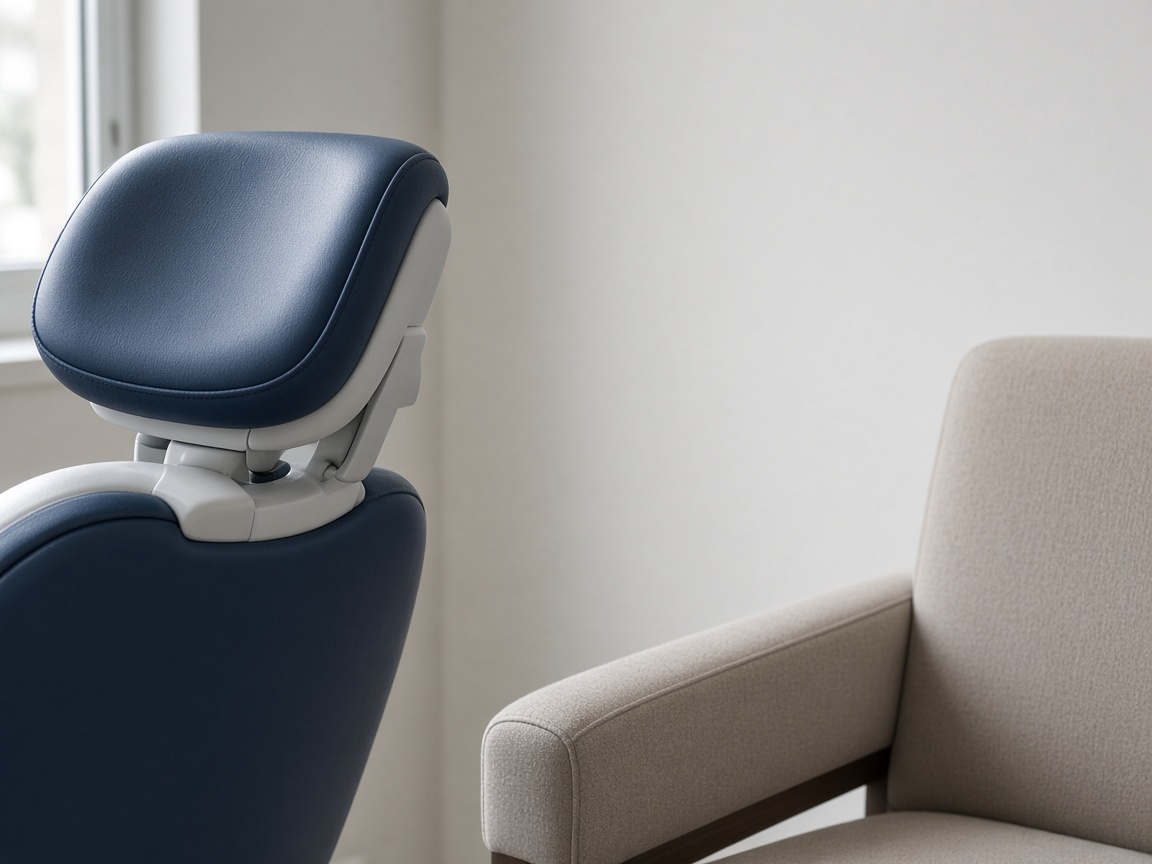
The navy headrest of a dental chair stands beside the arm of an empty guest chair.
What the Visit Is Meant to Decide
The visit is meant to decide whether this is the right conversation to continue, with enough of the person's story to use the time well. On the page, say that plainly: the consult looks at what they want to replace, what has already been tried, and whether another dentist is involved. It does not, on the website, decide that an implant is the plan, how it will look, when it would start, or how the steps would feel. Those are conversations for the room, with the person present, and a page that pretends to have them is the page you will spend the consult correcting.
Decide, in your own words, what a useful consult request contains, and stop: what they want to replace, what has been tried (including nothing yet), whether another office is already part of it, a range of days for a consult-length block, and a way to reply. That set lets the coordinator place a longer visit and lets the dentist walk in knowing the topic. A preferred cleaning day does none of that, and a comment that says "I want implants" is barely more.
Say what the person will not get from the request: a confirmed series of visits, a result described in advance, or a same-day start because the page used the word "implant." If your consult sometimes reveals that a different path is better, the page should not speak as if the implant were already chosen. The request is for a conversation, and the conversation is allowed to end without a start. A site that cannot say that will attract people who think the decision is behind them.
Write this where the button is, not only in a lower section. A long explanation of hardware, placed first, teaches a lesson you do not want, that the choice is technical and already made and the form is how they claim it. Move the hardware talk off the request, or cut it, because the request is the decision to have the conversation.
How to Ask What Has Already Been Tried
Ask for history as scheduling context, not as a diagnosis the visitor must get right.
- State that the next step is a consult, that it is longer than a cleaning, and that it is not a same-day start.
- Ask what they want to replace, in their words, without offering a result beside the field.
- Ask what has already been tried, including the option that nothing has, and whether another dentist is involved.
- Ask for a range of days that can hold a consult block, and say the desk will offer a real opening.
- Read the reply. It should confirm a request for a consult, not a plan, a look, a timeline, or a cleaning.
Step two is where pages predict. A field called "choose your new smile," or a set of finished photos used as buttons, answers the result while pretending to ask a question. Ask what is missing or what they want to replace, and stop. If you need categories, keep them as tooth or area, not as outcomes, because the dentist can talk about options in the consult and the form only records the topic.
Step three keeps the longer decision visible. Something already tried, or another dentist in the story, changes how you prepare and sometimes whether you are the next conversation at all. The page can ask, but it should not judge the other office or promise to undo their work, and a yes or no plus a short line is enough. A demand for records before you will even say what the visit is turns the request into a barrier, so records can follow once a consult is actually offered.
Step five catches the cleaning template. If the reply mentions a hygiene visit, a standard exam length, or "see you for your cleaning," the wrong form sent the mail, so fix the reply and the fields together. People quote the reply, and they rarely quote your careful paragraph if the reply disagrees.
Which Requests Belong Somewhere Else
The implant page stays a consult by sending other requests away before they submit. If you accept them here, you will screen them on the phone, which is the sort the page was supposed to do.
| Request | Belongs on this page | Where it should go | What this form should do |
|---|---|---|---|
| Talk about replacing a tooth | Yes | Implant consult book | Ask what they want to replace and what was tried |
| Another dentist already involved | Yes, as a fact | Same consult, with that noted | Ask, and do not predict you will take over |
| A cleaning or checkup | No | Hygiene or new-patient book | Stop the form and point them there |
| Pain today | No | Emergency path, phone first | Do not offer a consult block as same-day care |
| A finished look or a start date | No | Nowhere on the site | Refuse the prediction. Offer the conversation only |
Use the table when you review the live form. A submit button that can be reached for a cleaning has not turned that request away, and a sentence that says "most people start within a short time" has answered the last row. Delete it. You do not need a figure, a range, or a "soon," because the consult is the decision and the page is the request to have it.
Show the table to the person who answers implant calls and ask which row they still unwrap by hand. If they say everyone sounds like they want a cleaning until the second question, the form is still the cleaning form. If they say people arrive expecting to start, the reply or the headline is predicting a timeline. Either way the fix is on the page, the same week, not in a longer phone script.
What the Page Should Leave Unsaid
Leave the result unsaid, along with the look, the timeline, and the clinical steps. A motivated page wants to explain how implants work so the person feels informed, but "informed," here, slides into a plan they will hold you to. You can say the consult is where questions about replacing a tooth get asked, but you cannot walk the steps, name a duration, or describe the end. If a sentence could be quoted as what will happen to them, it does not belong.
Leave other people's outcomes unsaid. A story that sounds like proof is a prediction with a name on it, and you do not need it to book a conversation. Asking what has already been tried is more useful than showing what happened to someone else. If photographs remain, they need a plain line that they are not a promise for the reader, or they should come off the request page, and when you are unsure, take them off. The consult does not depend on the gallery.
Leave fees off unless you have a number you intend to publish and stand behind, and this article will not invent one. A consult request does not need a price to be specific, and a price next to a result is two promises. Keep the request free of both until you have decided, elsewhere, what you are willing to print. Even then, the fee is not a description of how the work will look or how long it will take.
After any edit, read only the first screen and the reply: consult, longer than a cleaning, not a same-day start, what they want to replace, what has been tried, another dentist or not, and no result. If that list is intact, the page is doing its job. If a new paragraph explains the outcome, the page has started the consult without the person and without the book, so cut the paragraph. The room can handle the decision, and the website handles the request.
Questions
What Should an Implant Page Say the Next Step Is?
A consult. Say it is a longer conversation than a cleaning, that it is not a same-day start, and that the desk will offer a time the book holds. The page should also say what the visit is meant to decide: whether this is the right conversation, given what they want to replace and what has already happened. It should not decide the plan.
What Should the Form Ask?
What they want to replace, what has already been tried, whether another dentist is involved, and a range of days for a consult-length block. It should not ask for a preferred cleaning day, and it should not ask them to pick a result from a set of pictures.
Where Should a Cleaning Request or Pain Go?
Off this form. A cleaning goes to the hygiene or new-patient path, and pain goes to the emergency path, with the phone first. The implant page can point to those doors, but it should not book them as consults or offer them a same-day start under an implant headline.
What Should the Page Refuse to Predict?
A result, a look, a timeline, and a clinical sequence, and also that an implant is already the chosen plan. The consult is allowed to end without a start, and a reply that thanks them for starting treatment has predicted the decision, so make it a request.
Why Does Another Dentist Belong on the Form?
Because the consult is a longer decision and the story may already be underway. The page asks so the conversation is prepared, not to judge the other office or promise to replace their work. A yes or no plus a short line is enough to screen the request.
Conclusion
An implant page should say the next step is a consult, what that visit is meant to decide, and that it is not a cleaning and not a same-day start. Ask what has already been tried and whether another dentist is involved, and do not predict a result on the page. You will know the page is ready when a request can be placed on a longer block and cannot be quoted as a plan, a look, or a start date.
When you are ready to make the consult request respect a longer decision than a cleaning, Speak With Us.