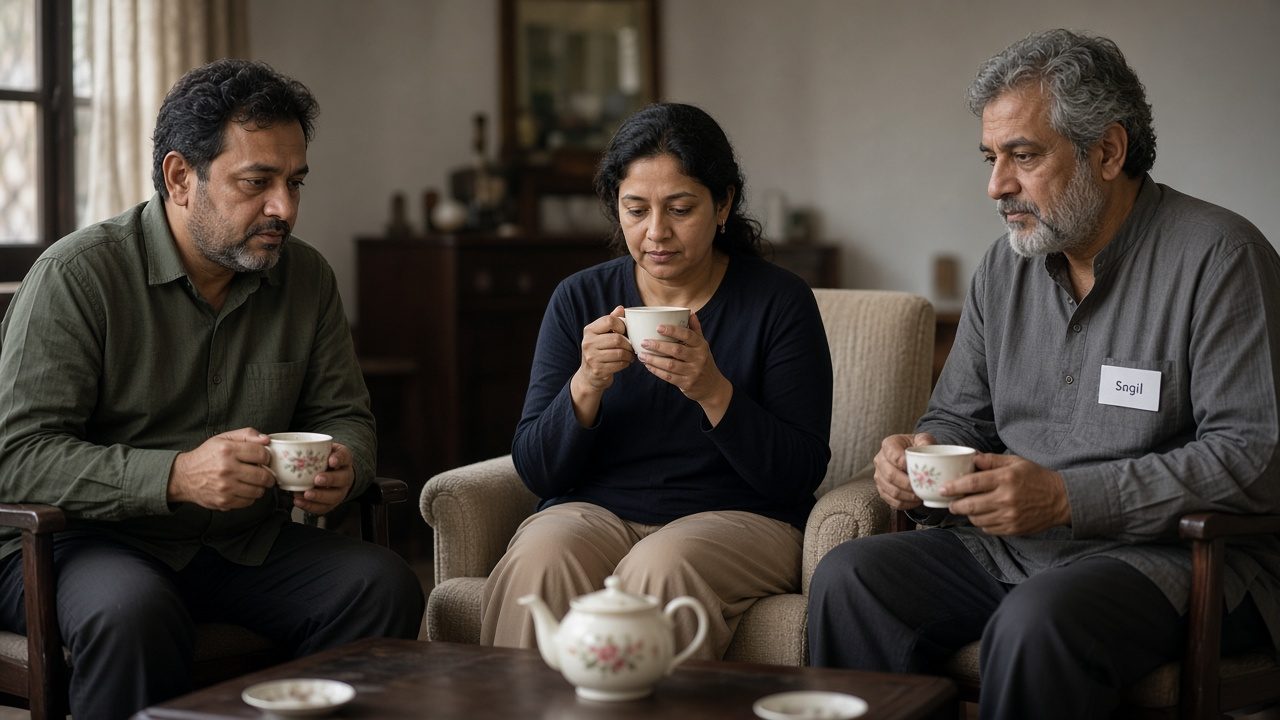

A memory care page should help a family picture the setting and see which questions only a visit can answer. It should not tell them the setting fits. The page, the tour, and the day you actually run have to describe the same place, so a family can judge with what they saw rather than with a sentence that decided for them.
Takeaways
- Use the page to show the shape of the day and what a tour is for.
- Leave fit itself to the family, after they have walked the setting.
- Cut any line that sounds like a yes, a score, or a promise about how someone will do.
- Read the page the way a worried family would, and mark every answer that belongs on the tour.
What Fit Means on the Page
Fit, on the page, means a family can tell whether their question belongs in this setting at all. It does not mean the page has weighed their situation and found a match. A match is their word, after a tour, or your word, after a real conversation. Printed earlier, it is a decision neither of you has earned.
The page can say what the setting is organized to do. People are here because memory has changed daily life, the day has a rhythm, and families are invited to come see it. That is a description. A promise that they will know this is the right place is a verdict. Worried readers grab a verdict because they want the search to end.
Fit language also has to match the next step. If the button says schedule a tour, the page is offering a look. If the button says see if you qualify, the page is offering a judgment. Pick the look, unless a person on your team truly makes that judgment before anyone visits, and even then the family still decides. Most of the time the honest next step is a tour or a conversation, not a score.
Say this in the first screen. The setting may be worth a visit. The visit is how a family tells whether it might fit. The page will not make that call.
What You Can Describe
You can describe what a visitor will be able to notice. The way the day opens, how meals sit in the day, what people are invited to do, and how a new family is walked through. Keep every line tied to something the tour already shows. If the tour does not pass a garden, do not make the garden the picture of the setting. If mornings are quiet and afternoons are busier, say that, and let the tour confirm it.
You can describe who the setting is built around, without turning the sentence into a clinical category. Families should understand that this is memory care, not a general community with a quiet hallway added on. If you also offer other ways of living, point to them as other offers. Senior Living Communities is a different conversation. Do not make the memory care page carry both, or a family will think one tour answers two questions.
You can describe the next step in the same detail you would give on the phone. How a tour is requested, who meets the family, what they will be shown, and what they will not be asked to decide that day. A tour that is a walk and a conversation should be called that. A tour that includes a private talk about whether you can serve the person should be called that. Mixing them teaches the family that a stroll is an acceptance.
You can also say what the page will not do. It will not review a history and send back a yes, and it will not promise that a move will be easy or that distress will fade. Accuracy is the comfort a tired reader can trust.
What Only a Visit Can Settle
Only a visit can settle whether this setting might fit this person and this family. The page can tell them what to pay attention to. It cannot watch the room with them. A daughter may read a calm description and still know, in the doorway, that the noise or the pace is wrong. That knowledge is the point of coming.
Invite them to notice ordinary things. How people are spoken to. Whether the day you described is underway. How a question is met. Whether the routines they would need could live here. Tell the family the tour is for their eyes, not a performance of a different day.
Some questions need a conversation you do not hold in a hallway. What the person needs help with, what the family is worried about at night, whether you are even the kind of setting that should continue the talk. The page can say that those topics wait for a seated conversation. It should not collect them on a form and reply with a decision. A form can request the tour. It should not pretend to know the person.
Leave the clinical work off the website entirely. The page is not where anyone decides a course of care, names a condition as if the page had examined someone, or explains how to respond in a crisis. If a family needs that kind of guidance, the next step is a conversation with the people who actually do the work, not a paragraph that sounds sure. The visit is allowed to open that conversation. The page is not allowed to finish it.
What the Page Must Not Decide
The page must not decide that a person belongs with you. A line that says this is the right fit, or that families like yours choose you, is a decision dressed as a welcome. When the tour is an ordinary day, the family feels misled even if the setting is sound.
The page must not decide that memory care is the right level of support. A family may be comparing home, a broader community, and this setting. Your page can say what this setting is. It cannot say the others are wrong for them. That comparison is theirs, made after they have seen more than one place, or after they have talked with you and still chosen to look elsewhere. Memory Care is the offer for this setting. It is not a ruling on every other way a family might care for someone.
The page must not assign a room, a date, or an outcome. Availability changes. A photo of a bedroom is a room in the building, not a promise. A line about safety must not slide into a claim that risk goes away. You can say how the setting is organized. You cannot say a person will be safe, content, or easier to live with. Those are results, and the page does not have them.
The page must not sort families into ready and not ready from a few fields. If your team sometimes concludes, after a real meeting, that you cannot serve someone, that conclusion belongs to the team. Publishing the rules of that conclusion as a quiz teaches families to disqualify themselves, or to shade their answers so they pass. Either result is the page practicing a judgment it should not make.
How to Read the Page as a Worried Family
Read the page as the person who will tour, not as the person who wrote it. Worry makes people fast. They will take the first sentence that sounds like relief and ignore the careful limits under it. Your job is to see which sentence they will take.
- Read only the opening screen and write the picture it gives you of a day here.
- List what that picture still cannot tell you about a specific person.
- Mark any line that answers those gaps with a yes, a promise, or a soft claim that families just know.
- Check the tour request and see whether it asks the family to decide, or only to come look.
- Walk the tour you actually give and note every stop the page described that you do not show.
- Remove the lines you marked, or change the tour, until a worried reader would not feel the page had already chosen.
Do this with someone who did not write the page. They will hear the verdicts you have stopped hearing. If they say it sounds like acceptance, believe them. Acceptance is a later decision. The page that hints at it has stepped past description. Fix that hint before you invite another family to rely on the words.
How the Memory Care Page and This Article Split the Job
The Memory Care page is the offer: the setting, the day, and the tour. This article is the decision about how far that page may go in helping a family judge fit. Triwave Consulting looks at the agreement first. If the page decides what only a visit can settle, promotion only finds more families to disappoint.
| Question a family brings | The page may | The page may not | Where it gets settled |
|---|---|---|---|
| What is a day here like | Describe the rhythm the tour shows | Promise the day will feel easy | On the tour, in the rooms |
| Could this be a fit | Say that a visit is how they look | Say that it is a fit, or that it is not | With the family, after they have seen it |
| Can you serve this person | Offer a conversation with the team | Decide from a form or a paragraph | In that conversation, not online |
| What should we do next | Ask them to tour or to call | Ask them to commit, or score their answers | At the end of the visit |
Senior & Family Services holds offers for households at different stages. Memory care stays one setting, so a family can tell from the words when they need a different page. The order of work is initial contact, then a detailed discussion, then implementation. Contact puts the live page next to a recent tour. The discussion sorts description from verdicts. Implementation takes the verdicts off the page.
Questions
Can the Page Say Who the Setting Is For?
It can say, in general, that the setting is organized around memory and daily life. It should not list conditions as if the page had examined someone, and it should not say a type of family will be accepted. Who you can serve is a conversation. The page only helps a family tell whether a visit is even the right next look.
Should Fit Be a Score or a Checklist?
A score decides for the family, so it does not belong on the page. A short list of what to notice on the tour is different, if every item is something you actually show and nothing on the list adds up to a yes. If the list starts to sound like a test they can pass, rewrite it until it is only a way of looking.
What If the Form Asks You to Judge From a Note?
Change the form. A note about a person's needs can help you prepare a conversation. It cannot support a decision the team has not made, and the form should not imply that it will. Ask for a way to reach the family and a time to tour. Leave the judgment for the meeting, where you can say you are not sure.
How Is Memory Care Different From Another Community Page?
It is a distinct offer, with its own day and its own tour. Copying a broader community page and adding a phrase about memory makes both pages vague. Send families who are asking a different question to that other page, and keep this one inside what the memory care tour can show. One tour should not have to explain two settings.
Who Says the Setting Is Not a Fit?
A person on your team, after a visit or a real conversation, says it to the family in plain words. The website does not say it, and a helper reading a form does not say it. If you cannot serve someone, that answer should arrive from someone who can explain the limit. A sentence on the page that tries to pre-sort families will get the limit wrong.
Conclusion
Help a family picture the setting and notice what they still have to see. Do not let the page decide that it fits. The page, the tour, and the day you run have to agree, and the judgment stays with the people in the room. The memory care page is the offer. The visit is where fit is actually faced.
When the memory care page should help a family look, and stop short of deciding fit, Speak With Us.