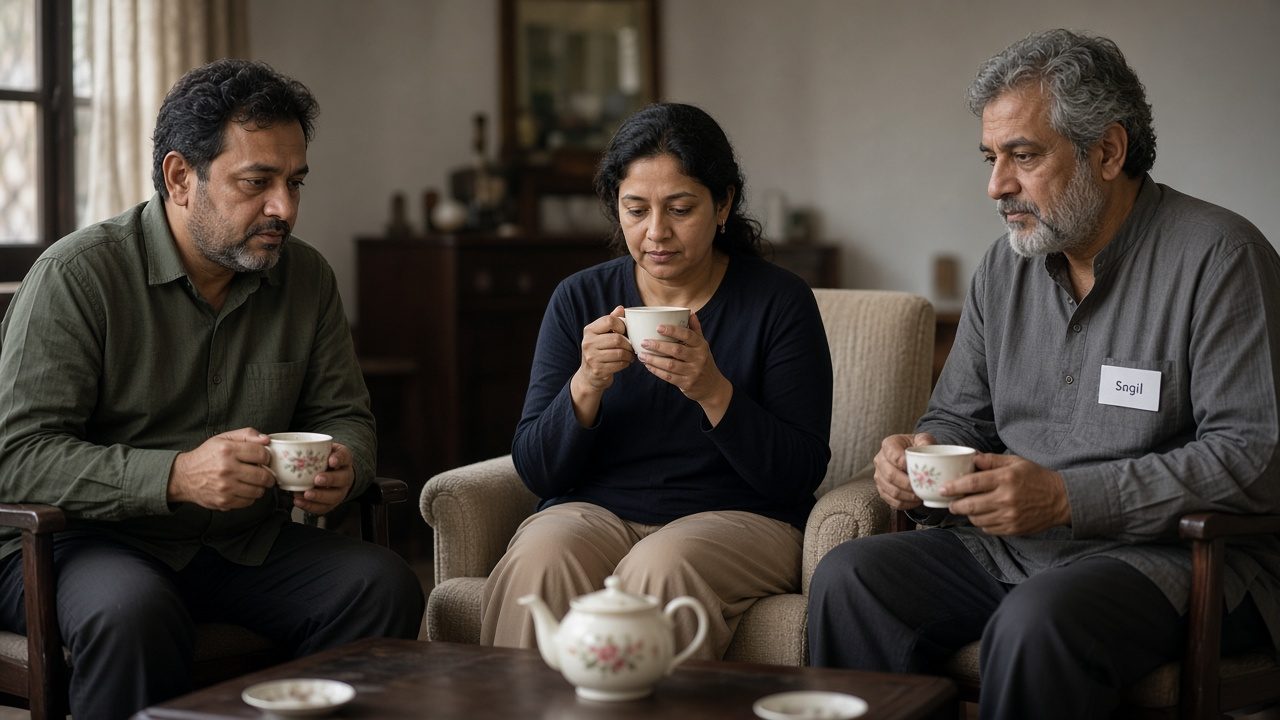
A memory care site should lead with safety or with daily life according to what the tour can show in the same visit. Safety says the setting is held. Daily life says the day is worth living inside it. The homepage, the tour, and the day you run have to open on the same idea, or families arrive ready for a place you do not walk them through.
Takeaways
- Lead with safety when the fear that brings families is what the tour is built to answer first.
- Lead with daily life when the tour is a real day, and safety is visible without becoming the whole story.
- Do not use a lead the walk-through cannot show in the first rooms.
- If the tour and the homepage disagree, change the lead or change the tour before you invite more families.

What a Safety Lead Is Saying
A safety lead tells a family that the first thing you want them to understand is how the setting is held together. They are often arriving afraid: afraid of someone leaving, of a fall, of a night with no one near. The headline that meets that fear says you know why they came. It does not have to describe hardware. It has to promise only what the tour will make visible.
Say what held means in words a guide can repeat. Doors and routines a visitor can see. People present in the parts of the day you claim are covered. A way of responding when someone is distressed, which the family may ask about on the tour. If you can only discuss safety in a private meeting, it is a conversation, not a homepage lead. Do not put a fortress on the screen and a whisper on the walk.
A safety lead is also a limit. It says this page is about memory care, not about every worry a family has. It should not claim that risk disappears, that a person will stop being frightened, or that your approach is the reason someone will be well. Those are outcomes. The lead can say the setting is organized with safety in view. The tour then has to show the organization, not a slogan on the wall.
Watch the photos. A locked door as the first image, with no person in a day, teaches that the offer is containment. If that is not the place you run, the picture is a different lead than the one you think you wrote. Choose images the guide can walk up to and explain without apologizing.
What a Daily-Life Lead Is Saying
A daily-life lead tells a family that the first thing you want them to understand is the day itself. Meals, company, something to do, a rhythm that repeats. The fear may still be why they searched. The lead says the answer you are offering is a life inside the setting, not only a barrier around it. That is a generous claim, and it is only fair if the tour spends its time in that day.
Describe a day you can walk. Morning, a meal, an activity that actually happens, the way people gather. Skip the ideal Tuesday that your calendar rarely holds. A family will ask to see the thing you named. If the guide has to say it happens on other days, the lead was a brochure. Name the pattern a visitor is likely to meet, and let rarer parts of the week sit lower on the page.
A daily-life lead still owes the family a true word about safety. Burying it implies you are avoiding the fear. Put a plain sentence near the lead: the setting is secured in ways the tour will show, and the day is what you want them to spend their time seeing. Then keep that promise. A single sentence does not make safety the lead. It keeps daily life from looking careless.
Photos should show the day you described. Empty stylish rooms, or a staged smile with no context, do not carry a daily-life lead. The guide should be able to stand in the picture's real place and say what usually happens there. If they cannot, use a different picture or do not use one.
When Safety Should Lead
Safety should lead when the families who contact you are asking about protection before they ask about the day, and when your tour is ready to answer in that order. Listen to the first question on recent calls. If it is about someone getting out, about nights, or about how the building is held, a daily-life headline makes them feel unheard. They will search the page for the fear, and they will treat everything else as decoration.
Safety should also lead when you cannot yet show a full day but you can show how the setting is kept. That is an honest, smaller offer. Say so. Invite them to see how the place is held, and describe daily life as what they will ask about on the walk, not as the promise above the button. A lead that outruns the tour creates a correction your guide has to make in the lobby.
Do not lead with safety merely because it is what other communities emphasize, or because it feels serious. If your real distinction is the day, a safety lead hides it and attracts families who want a conversation you do not open with. Memory Care should sound like the tour you give this month. If the tour opens with the day, the site should not open with a warning.
There is a practical test. Walk the tour from the front door and note the first three things a family can actually see. If those things are about how the setting is held, safety can lead. If they are about the day, and safety shows up only when someone asks, daily life is the truer lead. The homepage should not require a speech to become true.
When Daily Life Should Lead
Daily life should lead when the tour is spent in the day, and safety is something families can see without it becoming the whole visit. The homepage then opens on meals, company, and rhythm. Safety stays present and specific, close enough that a frightened reader is not hunting, and quiet enough that it does not erase the day.
Choose this lead when your guides already talk this way. If they begin with what people are doing, and they answer safety when it comes up, the site should follow them. A safety headline forces the guide to start with a topic they do not start with, and the family hears two welcomes. One welcome is enough. Make it the one the walk can sustain.
Daily life should not lead if the day you show is thin. A short activities list and a long speech about how wonderful the days feel is still a safety-shaped hole. Either build the tour around a day you really run, or do not claim the day as the lead. Families who came for life and find only supervision will feel the gap immediately. They are not wrong.
Use the lead on the memory care page only. A broader community page may have a different first sentence. Mixing the two makes memory care sound like a wing you apologize for, or like the whole campus. Senior & Family Services can hold both kinds of offers. This page should hold one lead.
What Breaks If the Tour Does Not Match the Lead
The tour is the proof of the lead. When they disagree, the family believes the tour and distrusts the site, or believes the site and feels the tour was a bait. Either way, the next step after the visit is harder. You spend the conversation repairing a picture instead of talking about whether the setting might serve the person.
| Lead the page used | What the family expects to see | What a mismatched tour does | What to change |
|---|---|---|---|
| Safety | How the setting is held, early in the walk | A pleasant loop that never shows it | Open the tour on what you claimed, or change the lead |
| Daily life | A day underway, not an empty room | A talk about doors and almost no day | Walk the day, or stop leading with it |
| Safety with no limit | A promise that worry is over | An ordinary building with ordinary risks | Take the promise off the page |
| Daily life with no safety sentence | That fear is irrelevant | A family that feels brushed aside | Add the plain sentence and show it |
People on the phone repeat the homepage, so a wrong lead gets rehearsed on every call. Guides then improvise a truer tour and sound as if they are contradicting the site. Triwave Consulting looks at that agreement before treating the homepage as ready to promote. A safety lead draws families who need the setting held. A daily-life lead draws families ready to watch a day. You can welcome both fears. You cannot name one and perform the other.
How to Choose the Lead You Can Show
Choose the lead by walking, not by debating which word sounds warmer. The lead you can show is the one a guide can start from the moment the family arrives, without a preface that says the website was a bit strong.
- Walk the tour you give now and write the first things a family can see, in order.
- Read the homepage aloud at the front door and note every claim the walk does not touch.
- Ask a guide which sentence they wish the family had read before arriving.
- Make that sentence the lead only if step one already shows it.
- Move the other theme into a supporting section the tour still reaches.
- Read the new lead on the next tour and drop any line the guide has to undo.
If neither safety nor daily life can be shown, do not pick a louder version of either. Describe the visit you do give, and build the page under that smaller truth. The order of work is initial contact, then a detailed discussion, then implementation. Contact is a tour beside the homepage. The discussion picks the lead the guide can say. Implementation changes the page, and the pictures, to match the walk. A new design that keeps the old lead only makes the mismatch easier to read.
Questions
Can Safety and Daily Life Both Appear on the Homepage?
Yes, if one of them leads and the other is plainly second. The first screen should not give them equal weight and hope the family sorts it out. Choose the idea the tour opens with. Let the other idea follow in words the same tour can still show. Equal billing is how a page refuses to choose.
What If Families Arrive More Frightened Than the Lead Expects?
Answer the fear in person, even when the lead was the day. The page cannot predict every family, and it should not pretend the fear is absent. A nearby sentence, and a guide willing to talk about how the setting is held, keeps a frightened visitor from feeling dismissed.
Should Photos Show Doors, Alarms, or the Day?
Show what the lead claims, and show it as a place a guide can stand. A daily-life lead needs the day. A safety lead needs the way the setting is held, without turning the page into a catalog of devices. Skip any picture that implies a result, such as a worry that has vanished. The picture should be something the tour contains.
What Do You Change First, the Tour or the Headline?
Change whichever one is false. If the tour is the real day and the headline is a slogan, change the headline. If the headline is the offer you mean and the tour wanders, change the tour before you promote the headline. Do not add a paragraph of explanation under a lead the walk still contradicts. Families remember the lead and the hallway.
Who Agrees the Lead Is Fair?
The person who guides tours and the person who answers the first call should both be able to say it without a correction. If either one adds a warning the page does not contain, the lead is not fair yet. Agree before the line is published. A lead that only the writer likes will be undone at the door.
Conclusion
Lead with safety or with daily life, and only with the one the tour can show. The homepage, the walk, and the day you run have to open on the same idea. That agreement is the decision. The memory care page is where the lead lives once the tour can carry it.
When the memory care homepage and the tour need to open on the same lead, Speak With Us.