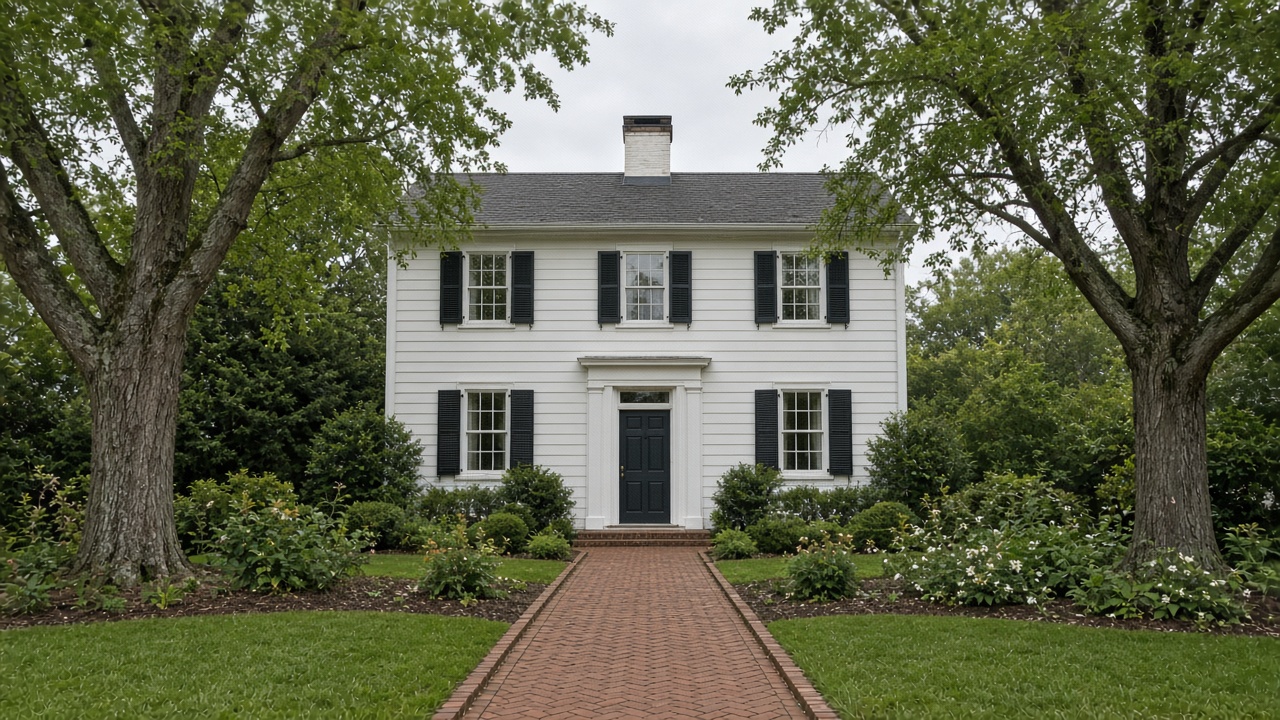

A realtor should pay a portal only when their own site can already book the conversation. A portal lead is an introduction the portal owns. Your page can ask buy or sell, and offer a time to talk, without pretending the site is the MLS. If the page cannot book that conversation, the portal is not a strategy, and it is a substitute for a missing door.
Takeaways
- Treat a portal lead as an introduction you do not control, not as a booked conversation.
- Ask buy or sell on your page, and offer a time, beside the list of homes.
- Keep the site from pretending it is the MLS. The list shows property. The page books the talk.
- Pay the portal as a strategy only after the page can book. Otherwise it is filling a hole.
- Judge the next invoice by whether your own note already has a time and a side of the deal.
What a Portal Introduction Leaves You Holding
A portal introduction leaves you holding a person the portal met first. You did not hear the question. You did not offer the time. You received a name and a reason thin enough to cover a buyer, a seller, or someone who tapped a home by accident. The portal can send that introduction to others. Your call is an attempt to become the conversation they have not booked with you.
The note rarely says buy or sell in your words. It may name a home from the portal's inventory, which is not the same as a visitor asking to talk about a home on your site. It may say they are interested in selling, with no property and no timing. You still have to ask what the meeting is, and you still have to find a time, which is the work a booking page does before anyone dials.
Open a recent set and mark what you had to add by hand. Did you learn buy or sell on the call. Did you learn whether a specific home was the point. Did you leave with a time, or with a promise to try again. Those additions are the cost that does not appear on the invoice. The introduction did not fail to be an introduction. It failed to be a booking, because it was never built to be one.
You also cannot correct the portal's form when your conversations change. If you stop taking a certain kind of search, the introductions keep arriving in the old shape. Your page can stop offering that path the same day. The portal will not. Renewing it renews the shape you already outgrew.
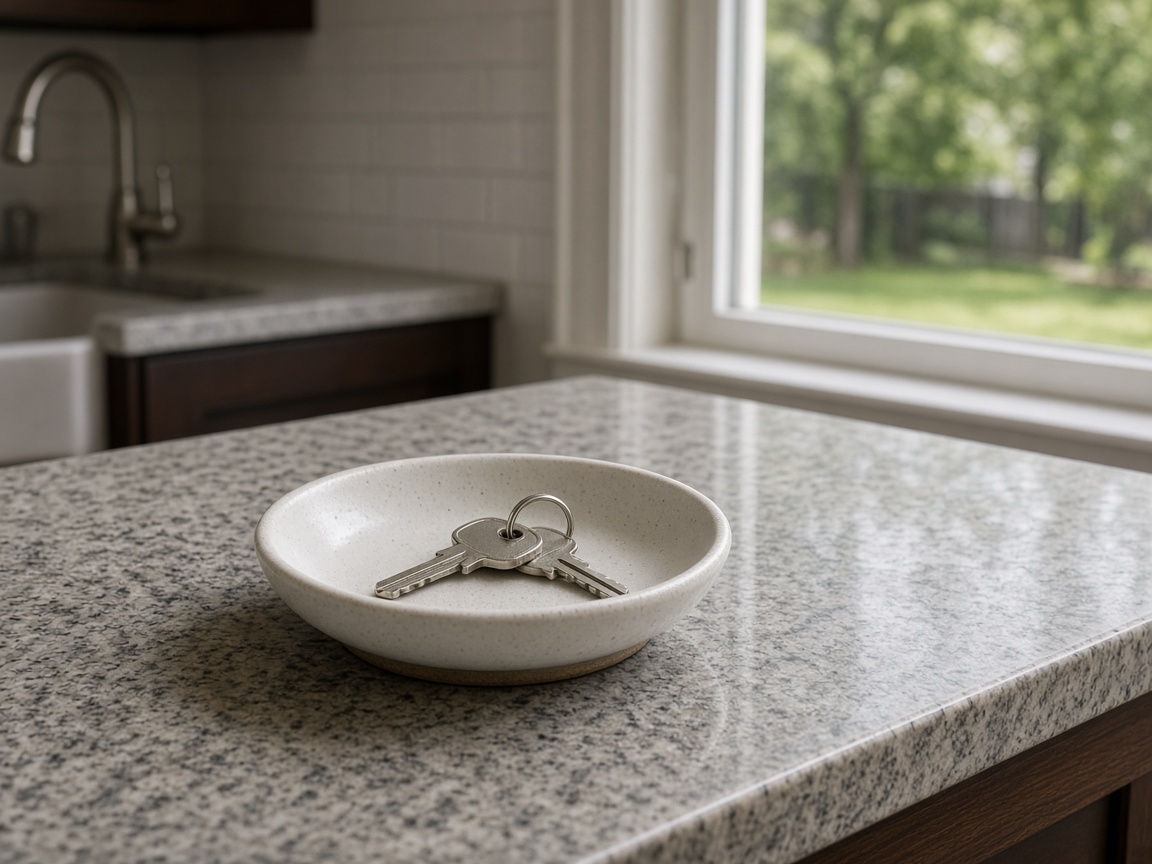
Plain keys sit in a ceramic dish on a kitchen counter.
Unmarked keys in a dish, a direct booking instead of a portal lead.
What a Booking Page Can Ask on Its Own
A booking page can ask buy or sell, and it can offer a time to talk, without claiming to publish every home. That is the door the portal is substituting for. Put the question in choices. I want to buy. I want to sell. I want to talk about this home. Each choice asks only what that talk needs, then asks for a window you will confirm.
On a home from your list, the choice can assume the property and ask whether they want to see it or ask a question. Do not make them describe the house. On a seller path, ask for the property and the timing, and whether buying is part of the same conversation. On a buyer path, ask whether they are starting a search or already have a home in mind. Offer times you can actually hold. A page full of hours you will not keep teaches people that booking is decorative.
Say, in one line, that the list is not the MLS and not the enquiry. People can look at homes and still need a door that books you. If the only action on the site is to browse, the portal remains the only place a stranger can raise a hand, and you will keep paying for introductions to replace a button you have not built.
The Realtors page sells the work of the agent. This article teaches the difference between a portal lead and a page that books the conversation. The selling page can show that you work with buyers and sellers. It should not be the only proof you can take a time. Other doors on the Real Estate page, from management to lending, are not this booking, and a portal labeled real estate will not sort them for you.
How an Introduction Differs From a Time to Talk
An introduction and a time to talk produce different mornings. One starts with a chase. The other starts with a sentence you can prepare for. The portal is the chase. The page is the sentence, if you let it be.
| What you have before you reach them | Portal introduction | Booking page | What you do next |
|---|---|---|---|
| Buy or sell named | Sometimes a vague label | A choice they made | Prepare that conversation |
| A specific home | Maybe, from their inventory | Only if they picked one | Do not assume a click was a showing |
| A time | Rarely | A window to confirm | Confirm, or the page over-promised |
| You control the question | No | Yes | Change it when your work changes |
| Someone else may call them first | Often | No, they wrote to you | Do not treat it as an exclusive handoff |
Use the table on the next introduction before you celebrate it. If buy or sell is blank and there is no time, you are holding a name. Call if you choose to, and write the answers into your own note so the portal's label is not the record. If your booking page also produces blanks, it is not a booking page yet. A form that says tell us what you are looking for, with no time, is a contact box. Comparing a portal to a contact box is comparing two missing doors.
The painful case is a seller introduction you call as a buyer, or a buyer you ask to list a home they do not have. The portal's label was loose, and you trusted it. Your page can make that mistake expensive to commit, because the choice is required. The portal will keep the loose label as long as you pay for it.
How to Tell When the Portal Is a Substitute
Tell by whether a stranger can book a conversation on your site today. If they cannot, the portal is standing in for that door. Paying it is not a strategy about leads. It is a workaround for a page that only lists homes.
Work in this order.
- Try to book a buyer conversation and a seller conversation on your own site, as a visitor would, without calling.
- Write down where the path stops: no question, no time, a form that never says buy or sell, or a list with no door at all.
- Lay a recent portal introduction beside that dead end and mark which facts the introduction also lacks.
- Build the missing question and the time on your page before you renew the portal out of habit.
- Keep the portal only if the page can book and the introduction still brings a person who will not use the page.
Step two is the substitute test. A beautiful list with no way to offer a time is a closed door. The portal feels necessary because it is the only knock. Step four reverses the order owners usually choose. They renew first and promise to fix the site later. Later is how the invoice becomes the plan. Step five is the narrow reason to stay. Some people will only raise a hand inside the portal. That is a source. It is not a reason to leave your own page unable to book the people who already found you.
If both the portal note and the site note need a discovery call, you do not have a booking to compare. Fix the page until a test produces buy or sell plus a time. Then look at the portal again. You will see an introduction. You will know what a booking looks like, because you will have held one that did not start on their form.
Why the List of Homes Is Not the Missing Door
The list of homes is not the missing door, even when it is busy. Looks are not conversations. Adding more homes, or a faster feed, gives the visitor more to scroll and the same nowhere to ask for a time. The portal then remains the place where asking happens, which is why the bill feels like marketing and functions like a crutch.
Do not answer the gap by turning the site into a second MLS. Copying a feed, and asking the visitor to search it harder, still does not ask buy or sell. The booking page can sit beside the list and stay small. It needs the choice, the home if they have one, and a time you confirm. That is a door. A larger catalog is a window.
When the page can book, use the portal with clearer eyes. An introduction that names neither side of the deal is a weak addition to a page that already asks. An introduction from someone who will never touch your site may still be worth the call, and you will know that because you wrote it down in step five. Until the page books, every renewal is a decision to keep the door missing and rent someone else's.
Questions
What Does a Realtor Actually Buy With a Portal Lead?
An introduction the portal owns. You get a name and a thin reason. You rarely get a clear buy or sell in your words, and you rarely get a time. Other people may be calling them too. The booking still has to be invented on the phone.
What Can the Booking Page Ask Without Becoming the MLS?
Buy or sell, whether a specific home is the point, and a time to confirm. The list can keep showing property. The page should not pretend to be the place every home is published. It should be the place the conversation gets requested.
How Do You Know the Portal Is Substituting for a Door?
Try to book a buyer talk and a seller talk on your site without calling. If the path stops at the list, or at a form that never asks the question, the portal is the missing door. Renewing it does not build the page.
When Is It Reasonable to Keep Paying the Portal?
When your page can already book, and the introduction brings someone who will not use that page. If both notes still need a discovery call, fix the page first. Another invoice copies the gap.
Why Won't a Longer List of Homes Replace the Booking Page?
Because a list shows property and does not ask for a conversation. More homes give people more to scroll. They do not offer a time. The portal stays in charge of the ask until your page can take it.
Conclusion
A portal lead is an introduction the portal owns. Your page can ask buy or sell and offer a time to talk, without pretending the site is the MLS. If the page cannot book that conversation, the portal is a substitute for a missing door. You can tell the introduction from a page that books the conversation.
When you are ready to choose between portal leads and a booking page you control, Speak With Us.