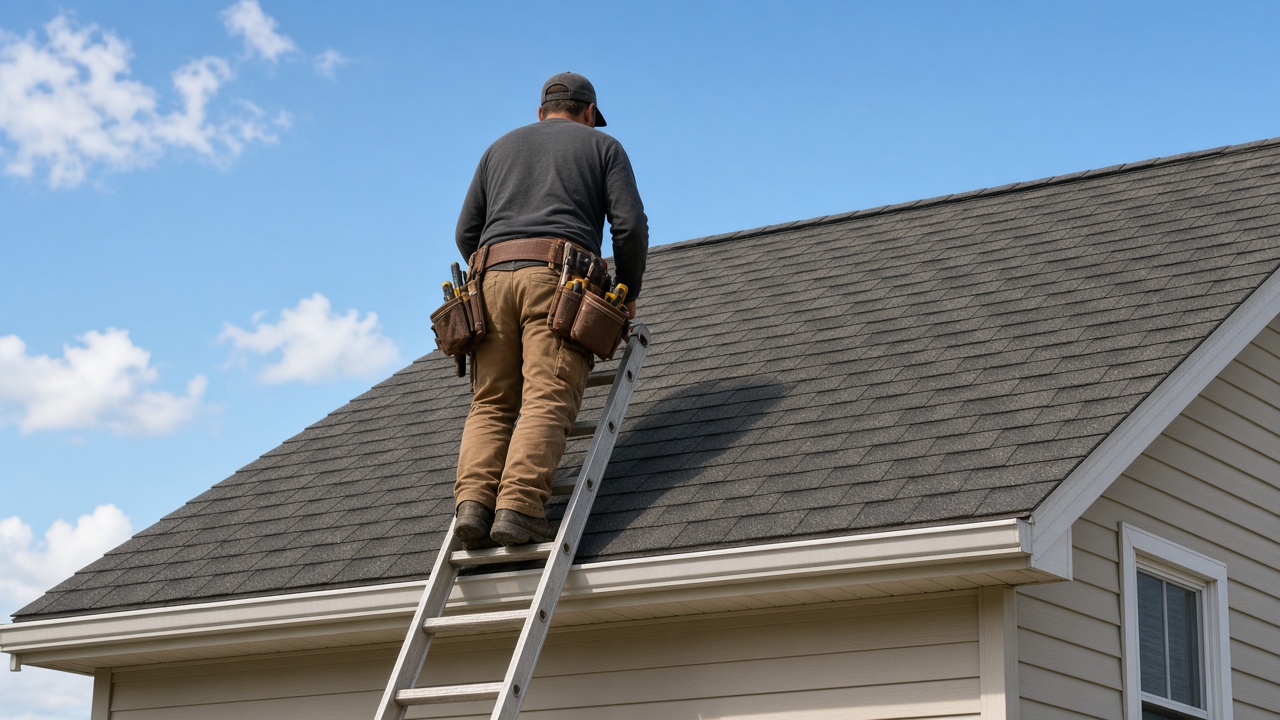
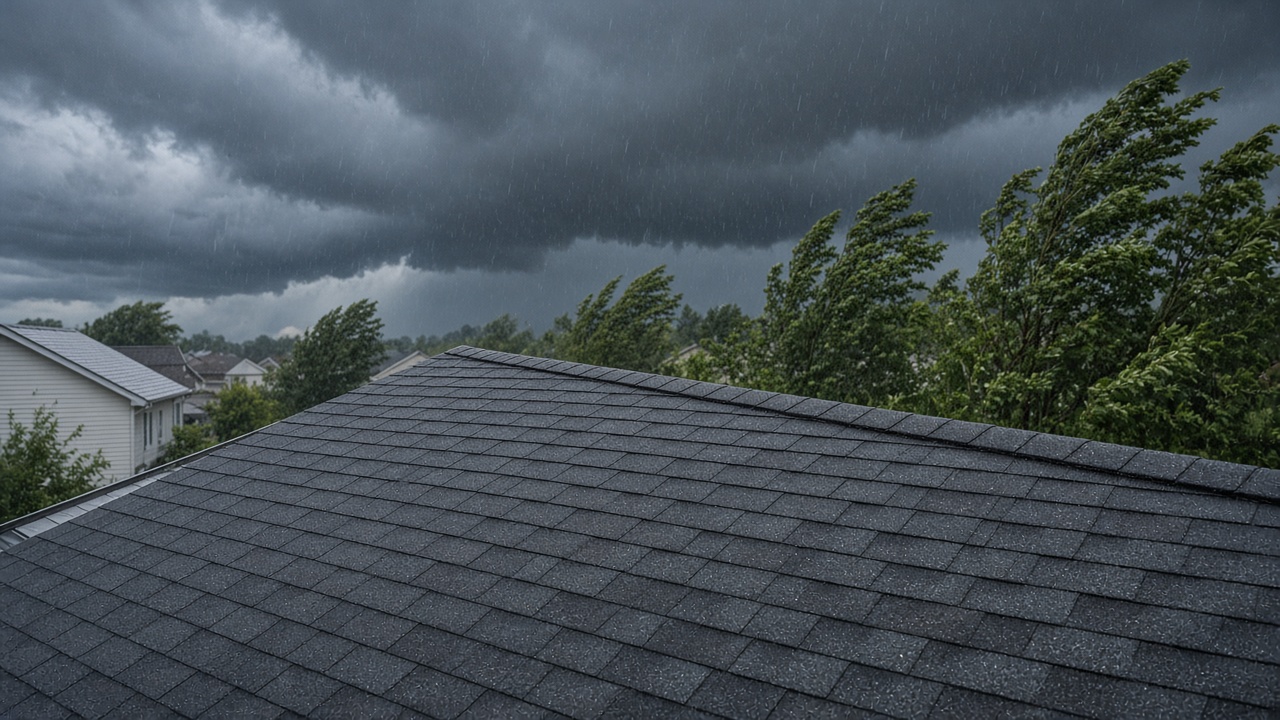
Before storm season, a roofing website should explain two different requests so damage and a planned replacement do not arrive as the same job. Before storm season, the site needs two requests: one for damage that needs a look now, and one for a replacement the homeowner has been planning. The damage request should ask what changed and when. The replacement request should ask about the age of the roof and the timing. One form hides which job the crew is walking into.
Takeaways
- Open a damage request that asks what changed and when, and whether water is coming inside.
- Open a replacement request that asks the age of the roof and the timing the homeowner has in mind.
- Keep those forms apart before the calls arrive together.
- Send damage that needs a look now to the storm crew, and send planned replacements to the estimate schedule.
- Explain what you will look at, and do not promise what a storm will do or what anyone else will pay.
What the Damage Request Has to Ask
The damage request has to ask what changed and when. A roof that was fine yesterday and is open today is a different visit from a roof the homeowner has disliked for years. What changed might be missing shingles, exposed deck, a branch or other debris, flashing pulled back, a skylight that started dripping, or water stains that appeared during the weather. When might be during the storm, the morning after, or still happening. Those two answers tell the crew whether they are looking at a fresh opening or at an old condition the storm made visible.
Ask whether water is entering the living space, which room, and whether anyone is under an active drip. Ask for a callback that will be answered and the address, plus how to reach the roof area without guessing: gate, which side, dogs in the yard. You are not asking the homeowner to climb. You are asking what they can see from the ground and from the ceiling. A page that says we inspect storm damage, and then offers a comment box, lets them skip the change and the timing. The crew then walks up not knowing if they brought a cover or a measuring habit.
Say what this request is for. A look at damage that needs attention now. Say what it is not. It is not a commitment about what an insurer will decide, and it is not a full replacement sold from a photo of a wet ceiling. If you tarp, temporary-cover, or only document, say the thing you actually do. A promise you will not keep becomes the first argument on the ladder.
The Roofing page sells the work. This article teaches what to explain before the two kinds of calls stack up. The selling page can invite an inspection. The damage request has to ask what changed. Other trades are on the Home Services page. A no-heat call and a burst pipe are not a roof opening, and they should not share this form when the weather hits.
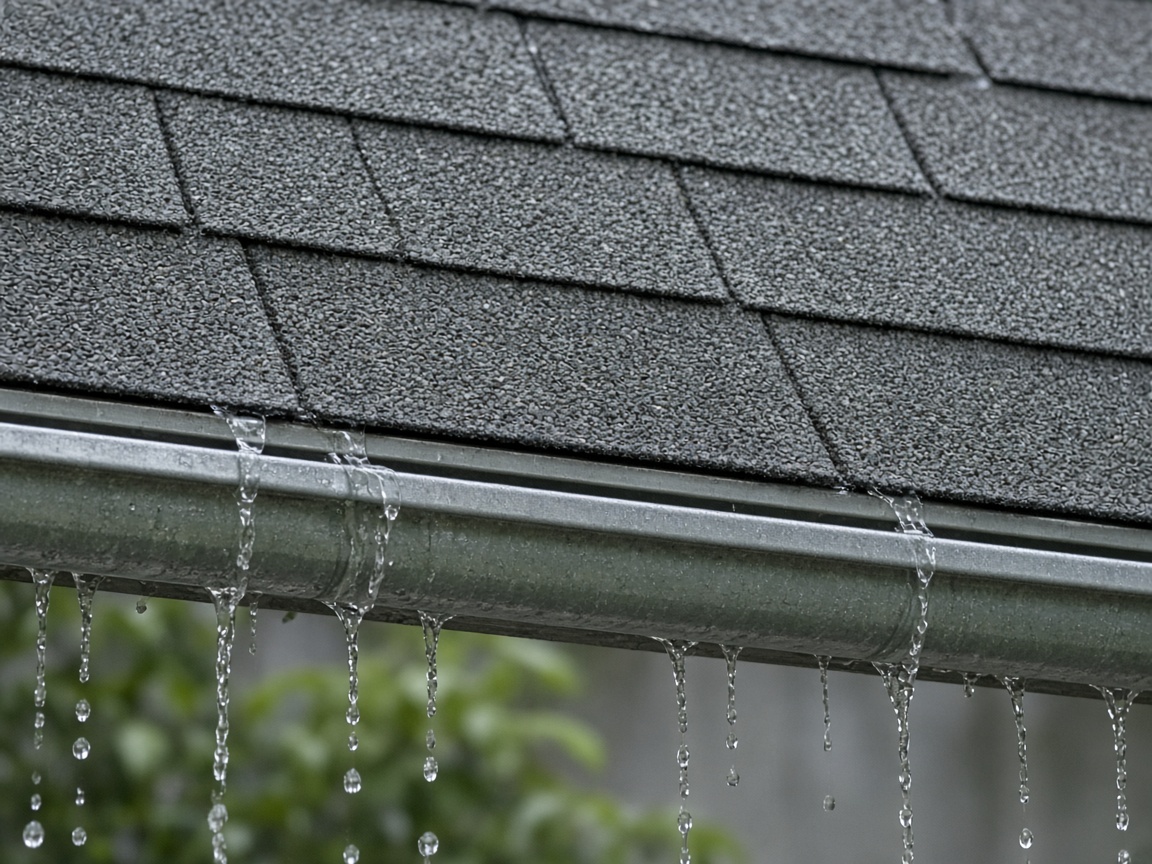
Rain runs off intact shingles and spills over a metal gutter.
Water leaving a roof edge in the rain, a close look at the storm-season detail a roofing page should be ready to explain.
What the Planned Replacement Request Has to Ask
The planned replacement request has to ask about the age of the roof and the timing. Age can be a range the homeowner believes: newer, mid-life, older than they can remember, already patched more than once. You are not stamping that age as a measured fact. You are learning whether this is a roof they have been meaning to replace. Timing is the season they hope to do it, or the month they can host a crew, not a claim that the sky is falling today.
Ask what they want: a full replacement, a section they already know is tired, or a conversation before they decide. Ask whether anything changed in the latest weather. If yes, send them to the damage request before they finish the replacement form. A planned job with an active leak is a damage job until the opening is understood. Filing it as a calm estimate puts an estimator on a roof that needed a different crew, or it parks an active leak behind a stack of ordinary quotes.
Keep this page steady. Photos of finished roofs belong here more than siren language does. The homeowner who has been planning since last year should not be told they are in an emergency because the calendar says storm season. Storm season is why the two requests must exist. It is not a reason to label every roof a crisis. People who wanted a replacement will still want one after the weather. People with a new opening need a different question today.
Do not collect the damage questions on this form just in case. Just in case is how one form returns. Link to the damage request in the first screen. Trust the visitor to move if something changed. If they will not move, the yes-or-no question about recent change will move them for you.
How to Separate the Two Before the Calls Arrive
Separate the two before the calls arrive, not during the first wet afternoon when the office is already behind. Storm season punishes a site that still has one button. The sort will happen on the phone, slowly, while people with water indoors wait behind people who want a price for next year.
Do the separation in this order.
- Pull a recent set of roof calls and mark each as fresh damage or a replacement someone was already planning.
- Write the damage form around what changed, when, water indoors or not, which room, callback, and address.
- Write the replacement form around age, scope, timing, and whether anything changed in the latest weather.
- Point each form at a different queue: storm crew or on-call roofer for damage that needs a look now, estimator for planned work.
- Submit one test of each, including a replacement test that answers yes to a new leak, and confirm that yes lands on the damage queue.
Step one is how you learn your own mix. Some shops discover that half their storm calls were replacements that used the weather as a reason to finally call. Those still deserve a true door. They do not deserve the same truck priority as an open deck. Step five's escape test is the one owners skip, and it is the one that keeps a planned form from trapping an active leak.
Put both requests on the site while the weather is quiet. A page built during the rush will copy the panic into the form. Explain, in a few lines at the top of each door, which visit the person is starting. Damage: something changed and you need a look. Replacement: you have been planning and you want timing. Those lines are the explanation storm season requires. A gallery alone is not an explanation.
How a Storm Call Differs From a Roof You Have Been Planning
A storm call and a roof someone has been planning can both be said as the roof. The site's job is to make the crew hear which one before they load the truck.
| Question | Damage that needs a look now | Replacement being planned | One shared form |
|---|---|---|---|
| What changed | Required, with when | Only as an escape if something new happened | Often a blank comment |
| Water indoors | Which room, still dripping or not | Not the main question | Confused with a stain from years ago |
| Age of the roof | Useful later, not the reason to roll | The center of the request | Asked of everyone, answered by no one |
| Timing | Now or first safe look | The month they can host the work | As soon as possible, picked by habit |
| Who sees it | Storm crew | Estimator | Whoever opens the inbox |
Read a note against the table before you dispatch. If you know the shared-form column and not the others, you do not yet know the visit. Call to fill the holes, and do not roll a replacement crew for what might be an open roof, or a storm crew for a roof that has been a plan since before the weather. The table is also the script for the page. Every required cell should be a field. Every not-the-main-question cell should stay off that form.
Debris and interior water change the damage row, not the replacement row. A branch on the roof with water in a bedroom is a look now. A roof that is old, with no new change, is a plan. Say both examples on the site in ordinary words so a homeowner in a hurry can recognize themselves. Do not require them to know the words flashing, deck, or underlayment. Offer those shop words beside the plain ones if your crew needs them on the note.
What One Form Hides From the Crew
One form hides the job. The crew walks up prepared for whichever visit is most common in their head, and the homeowner is living in the other one. An estimator prepared to talk about age and timing finds a ceiling drip and no tarp decision. A storm tech prepared to cover an opening finds a dry roof and a long conversation about next year. Both visits are legitimate. The form made them indistinguishable, so the wrong preparation showed up.
The hide also hits the schedule. Planned replacements that look like damage consume the storm board. Real openings wait. After the weather, the board is full and the truly wet houses are angry. Separate queues prevent that, but only if the homepage and the footer do not still host a third, older form. One leftover box will collect both jobs the day the ads, the voicemail, and the neighbors start saying call a roofer.
Check the voicemail the same week you split the forms. The greeting should offer the two paths in the same words as the site: what changed, or a replacement you have been planning. A greeting that says leave your name and we will inspect will rebuild the single form in audio. Change it before storm season, not after the first hundred messages.
You will know the site explained enough when a damage note says what changed and when, a replacement note says age and timing, and the crew can tell those sentences apart without a second call. Until then, storm season will arrive as one pile, and the pile will hide the job.
Questions
What Should a Roofing Site Explain Before Storm Season?
That there are two requests. One is damage that needs a look now, and it asks what changed and when. One is a replacement the homeowner has been planning, and it asks the age of the roof and the timing. One form hides which job the crew is walking into.
What Must the Damage Request Ask?
What changed, when it changed, whether water is entering and in which room, a callback, and the address. It should say what you will actually do on that look, and it should not promise an insurer's decision.
What Must the Replacement Request Ask?
The age of the roof as the homeowner understands it, the scope they want, and the timing they can host. It should ask whether anything changed in the latest weather, and a yes should move to the damage request.
Why Split the Queues Before the Weather Arrives?
Because the first wet afternoon is too late to invent the questions. Planned replacements will fill the storm board, and openings will wait, if both use one inbox. Build the doors while the office can still test them.
What Does One Form Hide From the Crew?
Which visit they are walking into. An estimator arrives to a drip, or a storm tech arrives to a dry roof and a next-year conversation. The visits are both real. The form made the preparation a guess.
Conclusion
Before storm season the site needs two requests: damage that needs a look now, and a replacement the homeowner has been planning. The damage request asks what changed and when. The replacement request asks the age of the roof and the timing. One form hides which job the crew is walking into, and two doors explain it before those calls arrive together.
When you are ready to separate a storm-damage call from a roof someone has been planning to replace, Speak With Us.