A shared lead and a search visit are different jobs. The shared lead arrives without the problem written down. The search visit can be asked for the problem before anyone calls back. Buying names does not fix a page that cannot tell a no-heat call from a maintenance plan.
Takeaways
- Treat a shared lead and a search visit as different jobs, even when both end in a phone call.
- Expect the bought name to arrive without the failure, the urgency, or the trade written down.
- Let the page ask a home service visitor which problem they have before anyone calls back.
- Keep HVAC, plumbing, and roofing on separate doors so search can tell those jobs apart.
- Spend the next enquiry on the path that records the problem, not on a pile of unnamed contacts.
What a Shared Lead Arrives Without
A shared lead arrives as a person you are allowed to contact, and it usually arrives without the problem written down. You may get a name, a number, a rough time of day, and a label such as home service. You do not get a failure the crew can pack for. That missing problem is the whole difference.
The lead was sold to more than one company, or it was passed along after a short form that asked almost nothing. The caller told someone they need help. They did not tell you whether the furnace is out, a pipe is running, or water is coming through the ceiling. Your office learns that on the callback, if the person answers, and if they remember which company they already spoke with.
Because the problem is blank, the callback starts from zero. You ask what failed and how urgent it is while the homeowner is also talking to whoever else bought the name. Night failures, tune-ups, remodels, and planned replacements all look alike until that conversation.
A shared lead also does not show you which page, if any, the person saw. You cannot tell whether they wanted a night crew or a planned visit. You cannot improve a sentence on your site from a name that never touched the site. The invoice tells you that a contact was delivered. It does not tell you which door of the company should own the next step.
Keep a column on the callback sheet for the problem, filled in by your people, since the vendor did not. After a week of those sheets you will see the mix: no-heat calls beside filter changes, running water beside bathroom remodels, open roofs beside replacements someone has been planning. That mix is what the lead failed to collect. It is also the test for whether buying another batch teaches you anything new.

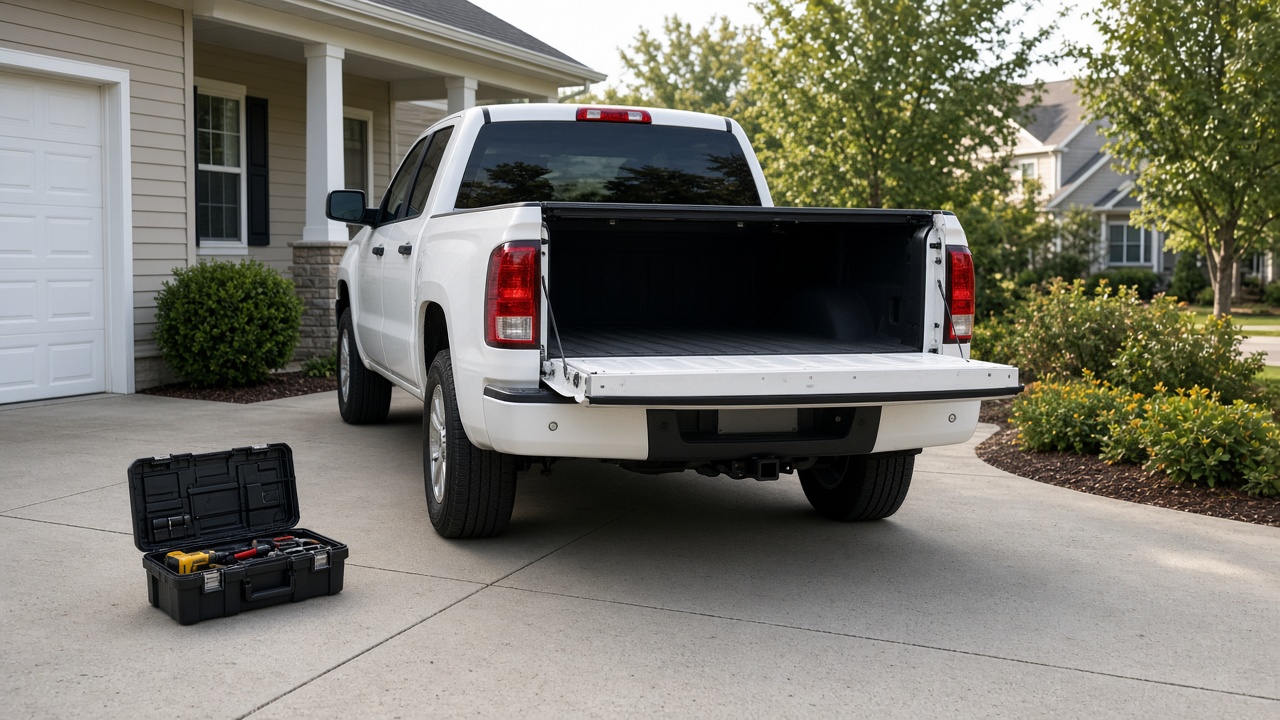
A pipe wrench, a tester, and a roofing hammer share a truck tailgate.
Plumbing, electrical, and roofing tools together, the range of home-service work behind a choice between shared leads and search.
How a Search Visit Can Ask for the Problem
A search visit can be asked for the problem before anyone calls back, because the person is already on a page you control. They typed something close to the job. The page can meet that job with a question, and the answer can land in front of the person who will dial them.
The question has to be specific enough that the callback is a confirmation, not a discovery. What stopped working. Is it happening right now. How do we reach you. Where is the house. Those are the same facts a night call needs, and a daytime visit needs a cousin of them: which room, what the homeowner wants done, and when they can be there. A search box on the homepage that dumps every visitor into one thank-you line asks none of this.
Write the question in the crew's words, on the door for that job. A cold house should land on a form that asks about heat and whether anyone must stay there tonight. A wet ceiling should land on a form that asks whether water is still moving. If both people hit one short form, the search visit has collapsed into a name with the problem still blank.
This is why rank in search and a bought lead are not two prices for the same enquiry. A home service company can buy leads and still deserve to be found. The search visit is the one you can question. The lead is a person who has not been questioned yet. Choosing the next enquiry means choosing which of those you want more of tomorrow.
The Home Services page sells the work across these trades. This article teaches the choice. The selling page can invite a call. It is not a substitute for a door that asks what the call is about.
Where HVAC, Plumbing, and Roofing Diverge
HVAC, plumbing, and roofing diverge at the question the page is willing to ask. A shared lead often uses one label for all three. A page you control should refuse that label, or the callback repeats the vendor's confusion in your own inbox.
| Enquiry | What a shared lead tends to omit | What the search door should ask | Who should see the answer |
|---|---|---|---|
| HVAC | Whether the house has no heat, no cooling, or wants a tune-up | Heat, cooling, a dead system, or a planned maintenance visit | On-call tech, or the office if it can wait |
| Plumbing | Whether water is running or the job is a remodel | Running water, shutoff, the room, or the remodel timing | On-call plumber, or the estimator in the morning |
| Roofing | Whether something is leaking now or a replacement is being planned | What changed, when, the age of the roof, and the timing | Storm crew, or the replacement schedule |
| Electrical | Whether a device is unsafe or a panel is a planned upgrade | A burning smell or spark, versus a visit that can be booked | The on-call electrician, or the office |
| Restoration | Whether water is still spreading or the dry-out is already done | Active spread, the property, who is on site, or rebuild scope | Emergency crew, or the rebuild estimator |
Read down the omit column before you buy another batch. If your callback sheet is full of those blanks, the vendor is selling the sort you should have done on the page. Read down the ask column before you celebrate a busy week of search. If the form did not ask, the visit was only a name with a referrer attached.
A page that cannot tell a no-heat call from a maintenance plan will also mix a running leak with a bathroom remodel, and a storm opening with a roof someone has meant to replace. Plumbing and roofing are different trucks and different questions, not flavors of one contractor visit. Electrical danger and an active dry-out are different again. One box that asks people to describe a project puts all of those in one pile.
Put the trade choice before the contact fields. A visitor who picks HVAC should not see remodel timing. A visitor who picks roofing should not be offered a filter plan. The shared lead cannot branch like that after the fact. Your page can branch before the number is even typed.
How to Choose the Next Enquiry
Choose the next enquiry by what it will fail to collect, not by how fast the phone might ring. A bought name fails to collect the problem. A search visit fails when the page never asks. Fix the ask, then decide if you still want names that skip it.
Use this order when the invoice and the website are both on the desk.
- Export a recent set of shared leads and mark, for each, whether the note already said the trade and the failure.
- Open the page a searcher would hit for no heat, for a running leak, and for a roof leak, and write down the question each page actually asks.
- Compare the two lists. If the pages ask less than the lead sheet, fix the pages before you buy another batch.
- If the pages already separate HVAC, plumbing, and roofing, count how many bought names are a problem your page would have sorted for free.
- Keep buying only the names that are a kind of job your page is not built to catch, and record the problem on the callback anyway.
If the no-heat page is a short praise paragraph plus name, phone, and message, you rebuilt the vendor form on your own site. Every bought name your page could have questioned is a sort you handed to someone else. A page you control calls back with the failure already visible.
A property manager who will not search, or a job you have not put on a door yet, can still be a reason to buy. Write that reason down. Needing more calls, with no job named, is how the unsorted pile grows.
What Buying Names Cannot Repair
Buying names cannot repair a page that mixes jobs. If the site cannot tell a no-heat call from a maintenance plan, another hundred contacts will arrive with the same blur. Staff will spend the morning splitting them by hand. The vendor does not sit in that split with you.
The repair is on the doors. HVAC gets a failure path and a maintenance path. Plumbing gets a leak path and a remodel path. Roofing gets a damage path and a replacement path. Each path asks its own facts and lands in its own queue. Until that exists, search and shared leads both dump into the blur. You will feel busy and still dispatch the wrong truck.
A vendor field helps only when it is required, visible before you call, and written in your tech's words. Shared forms are built to collect a person and let every buyer do the interview. That design will not become your intake.
Watch what your own callers do when the page is clear. The no-heat submission should mention heat before you dial. The remodel submission should mention the room and the timing, and it should not page the on-call plumber. If those two still look identical in the inbox, the doors are headlines over one form. Buying names will copy that identical look, at a cost, with less context.
When the doors work, a shared lead is a side path you can judge. You will see which bought problems your pages already catch, and which ones they never see. That is a real comparison. Until then, the comparison is theater: a busy board of names next to a site that still cannot say what the crew is walking into.
Questions
What Does a Shared Lead Leave Out?
The problem. A shared lead usually gives you a person to call and skips what failed, how urgent it is, and which trade owns it. Your staff discovers HVAC versus plumbing versus roofing on the callback, if the person answers.
How Is a Search Visit Different From a Bought Name?
The search visit is on a page you control, so you can ask for the problem before anyone calls back. The bought name arrives with that problem unwritten. One is an enquiry you shaped. The other is a contact you still have to interview.
Can Buying Leads Fix a Page That Mixes No-Heat With Maintenance?
No. Buying names does not fix a page that cannot tell a no-heat call from a maintenance plan. More names give the office more of the same mix. The page has to ask the difference first.
Where Should HVAC, Plumbing, and Roofing Be Split?
On the doors of the site, before a form is submitted. HVAC asks about heat, cooling, or maintenance. Plumbing asks about running water or a remodel. Roofing asks what changed, or about a replacement being planned. A single home-service box will not split them.
When Is a Page You Control the Better Next Enquiry?
When you need the problem written down before the callback. Choose the page you control whenever the alternative is a name with a blank failure. Buy a name only for a job your doors are not built to catch, and still write the problem down yourself.
Conclusion
A shared lead and a search visit are different jobs, because the lead arrives without the problem and the visit can be asked before anyone calls back. Buying names does not fix a page that cannot tell a no-heat call from a maintenance plan, or a leak from a remodel, or storm damage from a roof replacement. You can choose the next enquiry by what each path fails to collect.
When you are ready to choose whether the next enquiry should be bought or earned from a page the company controls, Speak With Us.