A home service owner should hire help for the website when the enquiry is already clear in the owner's head and the page, the form, and the inbox still cannot produce it. Help is worth buying when the owner can describe the enquiry the crew needs and still cannot make the page, the form, and the inbox produce that enquiry. The hire is for that path, not for a new slogan. Patching between jobs is the delay once you can say what the crew needs and the site still will not ask.
Takeaways
- Hire help when you can describe the enquiry and the page, form, and inbox still will not produce it.
- Keep HVAC, plumbing, and roofing as separate paths, because the crew needs different facts from each.
- Hand over the path. Keep the decisions about which calls you roll and which jobs can wait.
- Treat a new slogan, a new color, or a busier homepage as a different job from the enquiry path.
- Walk the work as Initial Contact, then Detailed Discussion, then Implementation.
When the Enquiry Is Clear and the Site Is Not
Help is worth buying at the moment you can say the enquiry out loud and the website still cannot. You know a no-heat call needs the failure, the condition of the house, a number that will be answered, and the address. You know a leak needs the room and whether water is still moving. You know a roof call needs what changed. The crew already works from those facts. The site asks for a name and a message, and the inbox arrives as a lump the office retypes.
That gap is the job. If you cannot yet say which calls the on-call person takes, do not hire someone to invent the answer. Sit in the truck or at the desk long enough to name the doors. Help bought before that decision becomes a new headline on top of the same lump. You will still lose the thread of yesterday's call, which is the problem you were trying to leave behind between jobs.
The patching habit hides the gap. You edit a sentence at night, add a badge about being available, and check the phone in the morning. The edit feels like progress because the page looks busier. The form is unchanged, so the call is unchanged. A home service owner should hire help when those edits no longer move the note any closer to what the tech needs on the truck.
Look at one real week. Count how many submissions still need a second call to learn the trade and the failure. If the number is most of them, and you can already describe what should have been asked, the site is past the point of personal patching. The next hour you spend in the editor is an hour the path stays broken.

A worn leather tool belt and a plain mug sit on a workbench in morning light.
The start of another workday on the bench, a tool belt waiting while the owner is still patching the site alone.
How HVAC, Plumbing, and Roofing Each Need a Path
HVAC, plumbing, and roofing each need a path because the enquiry the crew needs is not a shared paragraph. An owner who runs one trade still has two paths inside it. An owner who runs several has to stop letting one form pretend they are one contractor.
The HVAC path splits a failure from a plan. The on-call tech needs to know whether the house has heat or cooling, whether the equipment is dead, and whether anyone smells something hot at the unit. The office needs a different note for a tune-up or a maintenance signup: which system, and when the homeowner can be home. If you can say that split and the homepage still offers one box, the hire is to build the split.
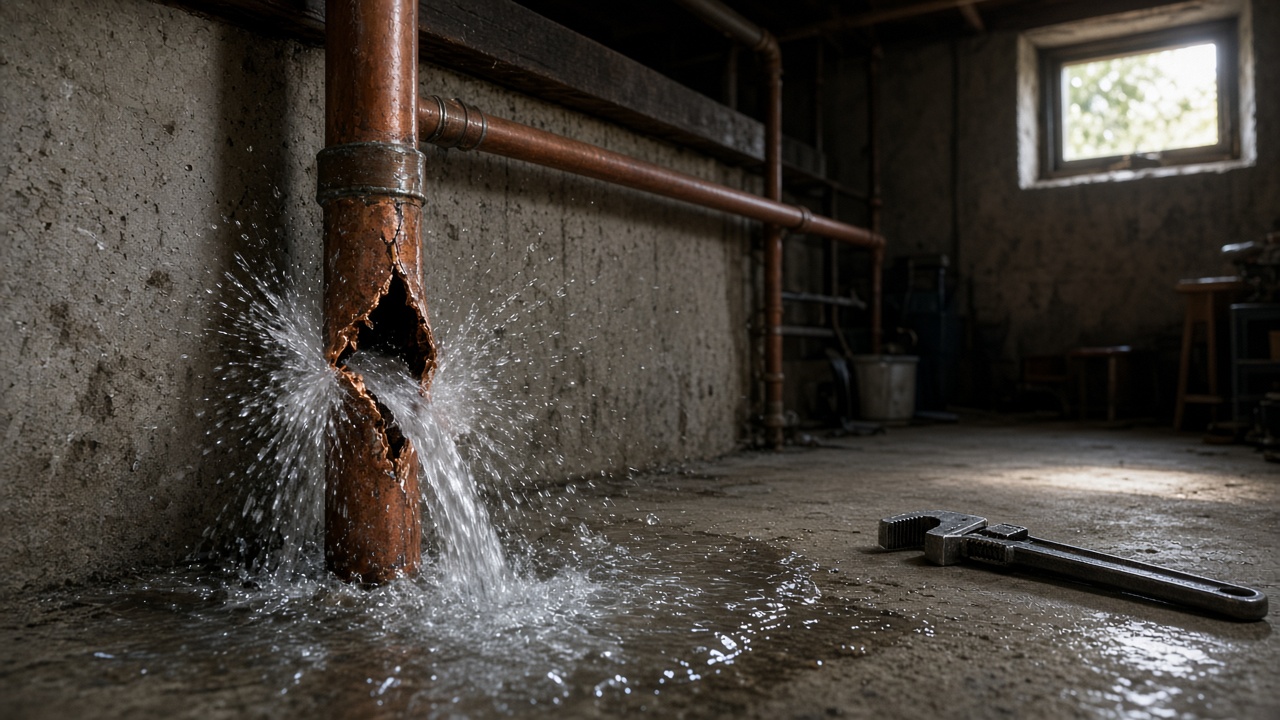
The plumbing path splits water that is moving from work that can be scheduled. A burst or a backup needs the location in the house, whether the shutoff was found, and a callback for tonight. A remodel needs the room and the timing. You already know those are different visits. The site is late when both visitors fill out the same short form and land in the same morning list.
The roofing path splits damage from a replacement the homeowner has been planning. Damage needs what changed and when. A replacement needs the age of the roof and the season the homeowner has in mind. One gallery of finished roofs, with a single request button, makes the office guess which visit the crew is walking into.
Electrical danger and an active dry-out are further paths when you offer them. A burning smell is not a panel upgrade, and water still spreading is not a rebuild. The person you hire should build the paths you named, not a trade you do not run.
The Home Services page sells the work. This article teaches when to stop patching. The selling page can introduce the trades. It is not the form that has to tell them apart, and a new slogan on it will not.
What to Hand Over and What to Keep
Hand over the building of the path, and keep the decisions about which jobs you accept. Someone else can make the page, the form, and the inbox agree. They cannot decide, for you, which midnight call gets a truck.
Do the handoff in this order so the help has something solid to build.
- Write each door in a sentence the tech would accept: the failure, the facts, and who should see the note.
- Mark which doors are night work and which doors wait for the office, in the words you already use on the phone.
- Point at the real inbox, text thread, or job list that must receive each door, including who looks at it after closing.
- Hand that sheet to the person building the site, and ask them to show you the form for each door before they design a banner.
- Run one test per door while you are out on a job, and confirm the note arrives where the crew or the office actually looks.
You keep step one and step two. Those are the company. If a draft comes back with a promise the techs do not keep, send it back. Fast, same-day, every house, any storm: if your people do not do that, it does not go on the page. The hire is allowed to make the path clear. The hire is not allowed to make the company sound like a different company.
Step three is where owners get vague and then blame the form. Say which phone the on-call tech watches. Say whether the office manager wants a morning digest or a live note. A beautiful form that lands in an inbox nobody opens is the old lump in a new color. Step five is yours to judge. If you cannot find the test while you are on a job, the path is not done, no matter how the homepage looks on a laptop at the shop.
Which Fixes Serve the Enquiry Path
Some fixes serve the enquiry path, and some only change the look of the site. Buy the first kind. Delay the second until the note the crew needs shows up without a second call.
| Fix | What it changes | What the crew can do with it | When to buy it |
|---|---|---|---|
| Separate doors for each trade | The question and the queue | Pack the right truck from the note | When you can already name the doors |
| A form that matches the phone | The fields on the note | Skip the rediscovery call | When the phone script is stable |
| Delivery into the live inbox | Where the note lands | See it before the callback | When you know who watches after hours |
| A new slogan or color | The look of the header | Nothing on the truck | After the path already works |
| Another page of service names | The length of the menu | Nothing, if the form is still shared | Only when a real door was missing |
The first three rows are the hire. They are the page, the form, and the inbox producing the enquiry you described. The last two rows are how patching disguises itself as a project. A busier menu feels like a bigger company. The on-call person still opens a message that says the house has a problem.
Ask anyone you might hire to point at a row before they propose a screen. If they start with a slogan or a longer list of services, they are not on the path yet. The job is a night note that already says which trade failed and where the crew is going.
How the Three Steps Apply
The work fits three steps you can follow without turning the site into a side hobby. Initial Contact is you saying which enquiry the crew needs, and where the current page fails to ask for it. Detailed Discussion is the sheet of doors, the inboxes, and the promises you will not make. Implementation is the forms, the delivery, and the test you run from the truck.
Initial Contact is short on purpose. You are not asked to arrive with a sitemap. You are asked to arrive knowing that HVAC is not plumbing and plumbing is not roofing, and that a lump form is why calls go sideways. If that sentence is still fuzzy, stay in your own notebook another week. Hiring earlier spends the discussion inventing your company back to you.
Detailed Discussion is where the sheet from the handoff gets argued. Expect questions about who is on call, what can wait until morning, and which words the techs hate. Answer from the jobs you ran this month, not from a competitor's homepage. This is also where you reject a slogan. The path is the deliverable. A clever line can wait until a real note has landed in the right inbox at least once.
Implementation is done when you can submit each door and find it without calling the office to ask if it arrived. Night doors should be readable after closing. Day doors should sit in the morning queue and should not page the on-call tech. If implementation ends at a design review, you bought a picture of a path. Schedule the test into the work, or the lump returns the first busy afternoon.
You will know patching was the thing slowing the next job when a call comes in and the note already matches what you would have asked from the driver's seat. Until that happens, more editing between appointments is the delay. The hire replaces that editing. It does not replace your judgment about which work you do.
Questions
When Is Website Help Worth Buying for a Home Service Owner?
When you can describe the enquiry the crew needs, and the page, the form, and the inbox still cannot produce it. The hire is that path. A new slogan is a different purchase, and it will not stop the lost thread of a call.
What Should the Owner Still Decide Alone?
Which calls get a truck, which jobs wait, and which promises the techs actually keep. Write the doors in words the crew would accept. Someone else can build the forms. They should not invent a company you do not run.
Why Do HVAC, Plumbing, and Roofing Need Separate Paths?
The crew needs different facts. HVAC separates lost heat or cooling from a tune-up. Plumbing separates running water from a remodel. Roofing separates damage that changed today from a replacement being planned. One form makes those the same lump.
Which Fixes Should Wait Until the Path Works?
A new slogan, a new color, and a longer menu of service names. They change the look of the site. They do not put the failure, the urgency, and the destination on the note. Buy them after a test note arrives in the right inbox.
How Do Initial Contact, Detailed Discussion, and Implementation Fit?
Initial Contact is you naming the enquiry and the gap. Detailed Discussion is the doors, the inboxes, and the promises you refuse. Implementation is the forms and a test you can find while you are out on a job. The path is finished when that test lands without a second call.
Conclusion
Help is worth buying when you can describe the enquiry the crew needs and the page, the form, and the inbox still cannot produce it. The hire builds that path for HVAC, plumbing, and roofing as separate doors, and it does not invent a slogan the techs will not keep. You will know patching the site yourself is what is slowing the next job down.
When you are ready to decide whether the site, the form, and the inbox are now a job for someone else, Speak With Us.