An orthodontic office should get help with the site and the form when the child consult and the adult question are different appointments and the form still cannot tell them apart. Hire help when the child consult and the adult question are different appointments and the form still cannot tell them apart. The help should build both requests. It should not promise a treatment time.
Takeaways
- Hire when the two consults already exist on the book and the website still has one request.
- Brief the work as two forms: age and who attends for a child, change and prior treatment for an adult.
- Refuse any draft that states a treatment time or predicts how a smile will look.
- Keep pain and a general first visit off both orthodontic forms.
- Accept the project when a parent test and an adult test can be scheduled without a phone sort.
When the Form Still Treats Every Consult as the Same
The form is behind the office when the schedule already has two consults and the website has one. You see a child with a parent in one block and an adult asking about aligners in another. The form asks both people for orthodontic consult, name, and a preferred day. The coordinator then calls to learn age, who will attend, what the adult wants to change, and whether anyone has had treatment before. That call is the form you did not build.
You can spot it without a report. Notes that say interested in braces, with no age and no prior treatment, are the shared form speaking. So are adults who left the child fields blank, and parents who typed a question into a box meant for an aligner photo. The desk is translating. Translation between patients is how fields get a quick label change that does not survive the next template update. The two appointments are stable. The form is not. That gap is a project.
Do not hire because the page looks old. Hire because the requests are wrong. A fresh design on one form will still open the consult with a sort. You will have paid for a cleaner version of the delay. If you are not sure the two appointments are truly different, decide that before anyone draws a page. Help cannot invent your book. It can only build the requests you already run.
The Orthodontics page sells the consults. This article teaches when the site and the form are a project instead of a front-desk patch. Other dental doors stay on the Dental page. This handoff should not pull a cleaning or a pain visit into the orthodontic request to save a template.

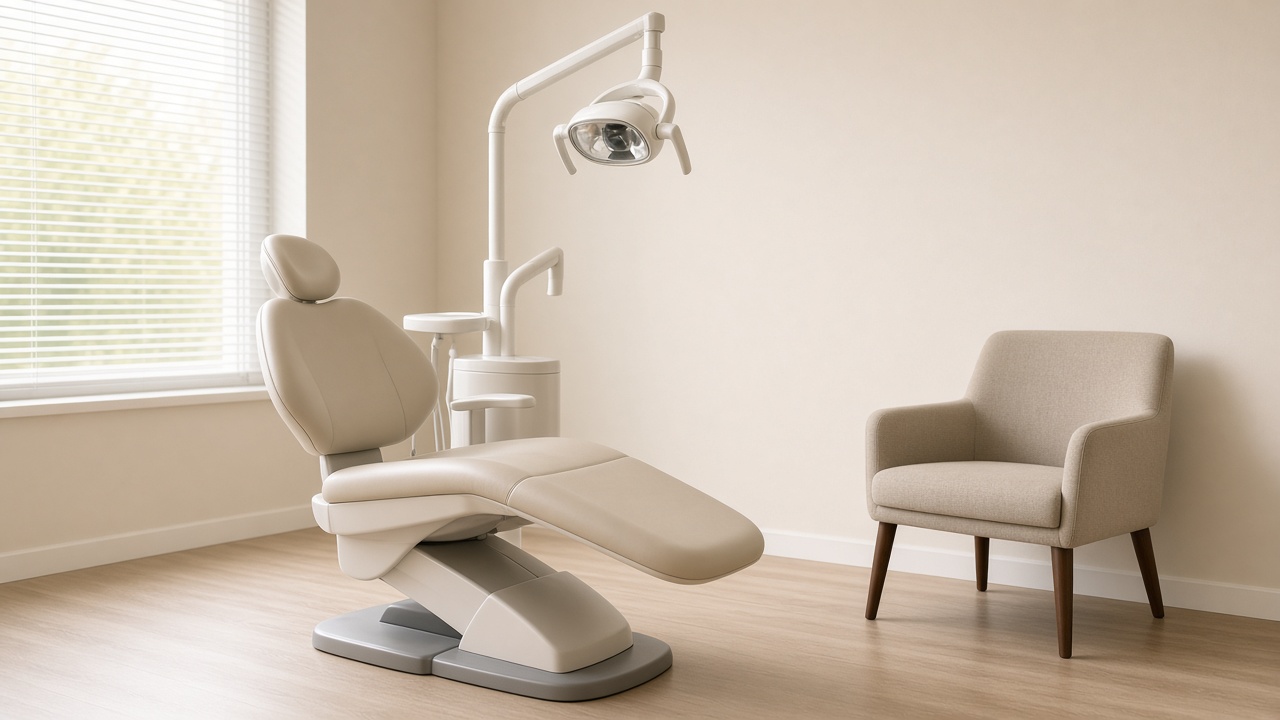
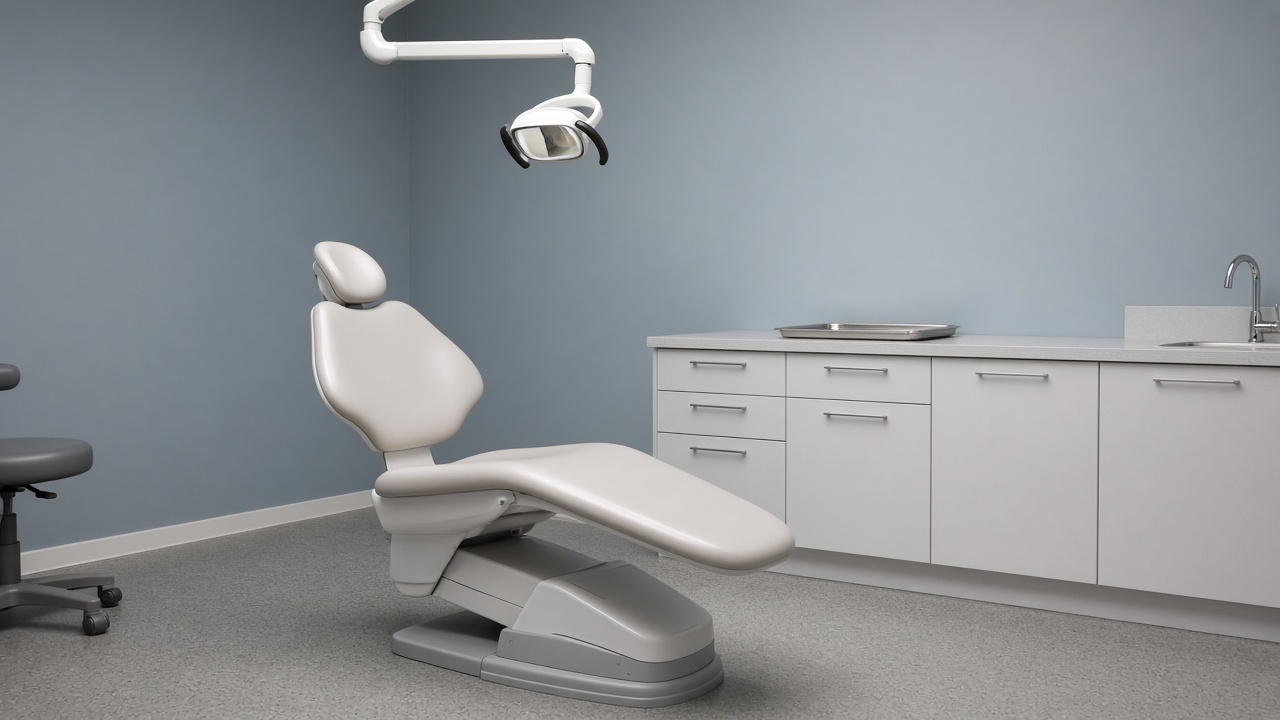
A plain mouth mirror lies on a stainless tray beside a treatment-chair cushion and a round light.
A detail from the orthodontic chair, light and a plain mirror, with no text on the tray.
What to Settle Before You Ask for Help
Settle the two visits in the scheduler's words. Child braces consult: who it is for, that a parent or guardian attends, what age you need in order to place the block, and that the page will not recommend treatment. Adult aligner question: who it is for, that you need the change they want and any prior orthodontic treatment, and that the page will not describe a result. If those paragraphs wobble, the build will wobble.
Settle the refusals. No treatment time on the page or in the reply. No sentence about how a smile will look. No confirmation of a time the book has not offered. No single preferred day field copied from a hygiene form. Write them as lines the draft must not contain. A keeper who has not heard the refusals will add a friendly estimate because friendly feels like good service. On this form, the estimate is the failure.
Settle destinations. Child requests go to the child consult book. Adult requests go to the adult question book, even if the same coordinator watches both. The subject line has to say which. A shared inbox is allowed only if the two forms cannot be confused inside it. If the watcher still has to open every note to learn the visit, the destination has not split.
Say what the front desk will stop doing. They will stop rewriting the form and stop opening every consult with intake the site skipped. They will still offer real times. A project that takes the book away from them, or that promises a fuller column by blurring the two visits, is the wrong project. You want both requests, clearly, and no invented treatment clock.
How to Turn Two Appointments Into Two Requests
Turn the appointments into requests before you talk about colors or photos.
- Write the child fields and the adult fields on two lists, and cross off anything that appears on both for convenience rather than because both visits need it.
- Put each list on its own page, with a sentence that names the consult and says treatment time is not set here.
- Point pain, a first exam, and non-orthodontic questions away before either form submits.
- Deliver each test to the matching book, and have the scheduler place both without calling you.
- Read both replies. Each should say request, name the consult, and avoid a treatment length and a predicted look.
Step one is where a shared comment box tries to survive. Strike it as the only place age or prior treatment can live. Those are choices or short required answers. A comment is how the old form hides the split. You can keep a small line for something the lists missed. You cannot keep it as the intake.
Step four is acceptance, not a courtesy. If the scheduler calls the test parent to ask who is coming, the child form failed. If they call the test adult to ask what the visit is, the adult form failed. Do not launch because the pages are attractive. Launch when the placement happens from the note. Then remove the old shared form, including any button on the homepage that still collects one orthodontic request.
Leave the scheduler as the author of the field list and the reviewer of the tests. They are not the person who should be pasting those fields in after hours. The project is the build. Their knowledge is the spec. Mixing those roles is how you end up with help in name and the same editor as before.
What the Finished Form Has to Show
The finished form has to show two visits to anyone who can schedule, without a legend. Read down a note and know the room.
| What you open | Child request | Adult request | Shared form, still failing |
|---|---|---|---|
| First line | Child braces consult | Adult aligner question | Orthodontic consult |
| Who it is for | Child's age, adult attending | The adult themselves | A name and a blank |
| Topic | Parent's brief note if you ask | What they want to change | A comment you must decode |
| History | Prior treatment for the child, simply | Prior treatment, yes or no | Missing, so the consult asks |
| Reply | Request, no treatment time | Request, no treatment time | Thanks for booking, or a time guess |
Walk real notes down this table a week after launch. Any note that fits the last column escaped through an old path. Close the path. Do not train the team to translate faster. Translation is the task the project was hired to remove.
The reply row is where warmth sneaks back. We are excited to start your journey is a treatment promise wearing a smile. Cut it on both forms. We have your request for a consult and will offer a time the book holds can be warm enough. If the two replies are identical and omit which consult, the person may still be unsure who the visit is for. Name it. Child consult request. Adult consult request. Same honesty, different door.
What the Project Must Not Promise
The project must not promise a treatment time. Not a range that sounds like a plan, not a soon, not a comparison that makes one approach sound faster. The consult is where timing can be discussed with the person in front of you. The website does not know that answer. A draft that adds an estimate to help parents decide has decided something you did not authorize. Send it back. Parents decide to request a consult. They do not collect a timeline from the form.
It must not promise appearance. Asking what an adult wants to change is not the same as showing them the change. A photo, a simulation teaser, or a caption that says the result is waiting predicts a look. Keep photographs only if a plain line says they are not a prediction, or keep them off the request. The form can be finished without them. It cannot be finished with a promise beside them.
It must not promise a chair the book does not have, and it must not merge the two consults to make the schedule look simpler. Simpler for the template is harder for the room. If a builder says one smart form can branch, make them show you the branch in the test notes. If the notes still read as one consult, the branch is a hidden comment. Reject it. Two appointments that are already different deserve two requests a person can see before they submit.
When both tests place cleanly and the replies stay inside the line, stop. Further polish is optional and dangerous if it reopens the promises. The owner should be able to ignore the form until the consults themselves change. That is the point of the help. The desk schedules. The page sorts. Nobody states a treatment time in the thank-you.
Questions
When Is Orthodontic Website Help Justified?
When the child consult and the adult aligner question are already different appointments and the form still cannot tell them apart. A redesign of that single form is not the job. Two requests, with two destinations, is the job. Looking dated is not the reason.
What Should the Brief Include?
Age and who will attend for the child, what the adult wants to change and whether they have had orthodontic treatment, and a ban on treatment time and predicted appearance. Also the doors that must stay off these forms, such as pain and a general first visit.
How Do You Know a Draft Failed?
The scheduler still has to call to learn which consult it is, the reply mentions a treatment length, or both tests read as one orthodontic lead. Attractive pages fail this way often. Place the tests before anything is public.
Can One Form Branch Into Both Visits?
Only if the test notes are obviously different without a comment to decode. A hidden branch that still produces orthodontic consult is the old form. Two visible requests are easier to keep and easier to schedule. If the branch cannot be seen, do not ship it.
What Should Happen After the Forms Are Live?
The desk offers real times and stops rewriting fields. You review for a returned promise or a shared path, and the keeper fixes drift. The next real change is a change in the consults themselves, not a warmer sentence about treatment time.
Conclusion
Get help when the child consult and the adult question are different appointments and the form still treats them as one. The help should build both requests. It should not promise a treatment time. You will know the project is done when a parent test and an adult test can be placed from the note, and the reply does not predict a result or a timeline.
When you are ready to decide when the two consults and the form are a project, Speak With Us.